
Politics
Hillsborough School Board members warn Superintendent referendum could bring politics into classrooms
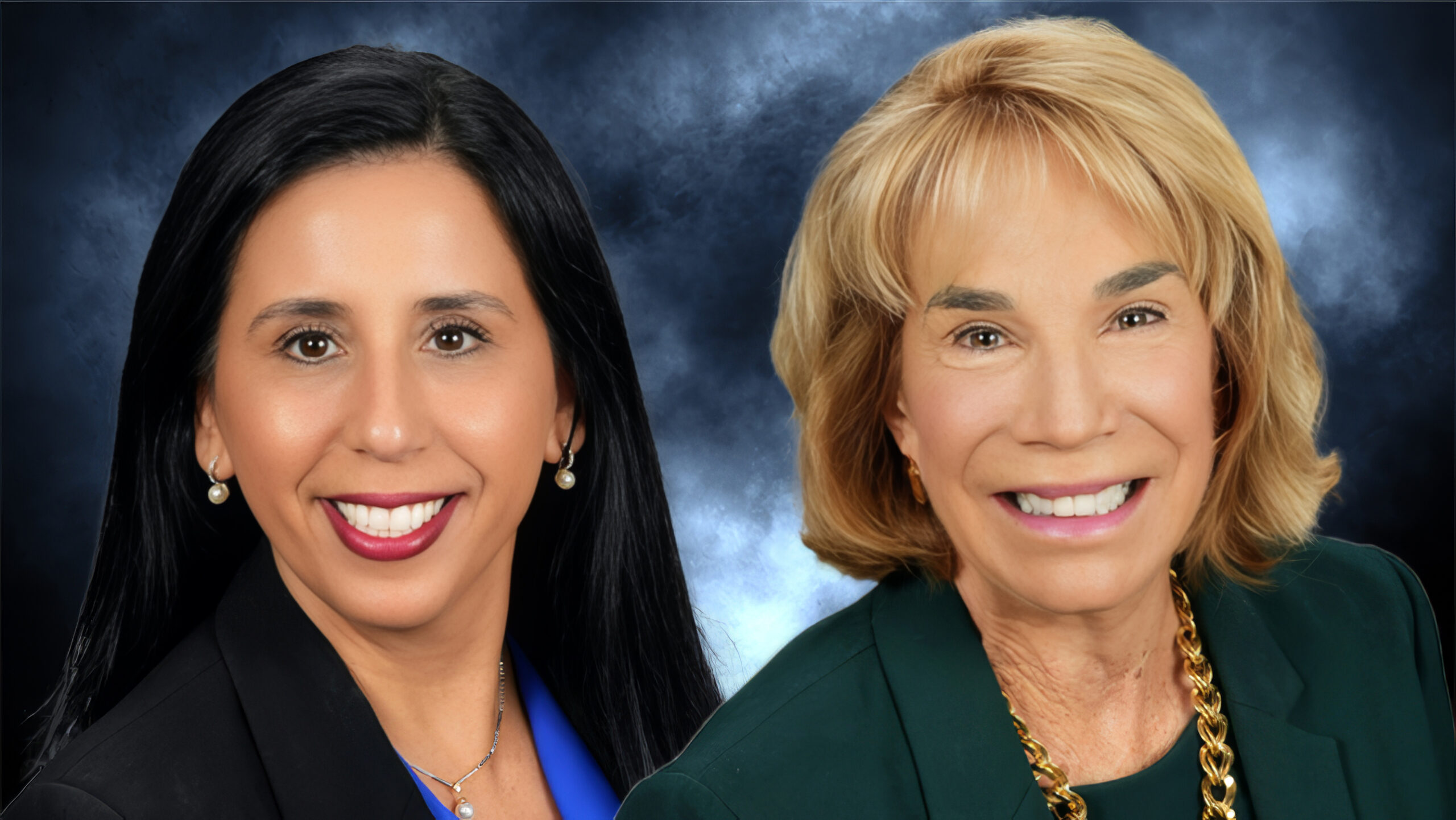
Hillsborough County School Board members are already calling on residents to reject a likely referendum asking voters to decide whether to elect the District’s Superintendent in a partisan election.
Critics are warning the shift could inject politics into one of the state’s largest school systems.
Lawmakers approved the proposal (HB 4027), sponsored by Apollo Beach Republican Rep. Michael Owen, during the Legislative Session, though it still awaits the Governor’s signature. If signed, the proposal would place the question before Hillsborough voters in November.
But as the measure moves forward, local leaders say the implications could be far-reaching for a District that serves more than 200,000 students.
School Board member Lynn Gray warned that an elected Superintendent could lead to curriculum decisions driven by political considerations rather than educational expertise. Gray argues the current appointed model allows for greater instructional independence.
“I’ve been on the Board for 11 years, but a teacher doesn’t look at politics,” Gray said. “We teach math and we teach English and all the other subjects, they’re not political. But when you have an elected Superintendent, you may find that a certain curriculum may be subtracted or added upon that person’s political background — and that’s a dangerous situation.”
School Board Vice Chair Nadia Combs emphasized that the overwhelming majority of large School Districts nationwide rely on appointed leadership. Combs warned that shifting to elections could turn the position into a “popularity contest,” where fundraising and name recognition outweigh professional credentials.
She also pointed to accountability concerns, noting that an appointed Superintendent can be removed by the School Board if performance falters — an option that would not exist under a four-year elected term.
“If he was elected, he could do whatever he wanted and he wouldn’t be fired for four years,” Combs said. “You can do a lot of damage to our schools. You could close schools that people want property from. You could go into contracts that aren’t good. You can put people who are unqualified in key positions. There’s so much damage that you could do in four years.”
Both Board members stressed the experience necessary to lead a District as large as Hillsborough. They spoke glowingly of current Superintendent Van Ayres, and said the job requires a rare combination of experience in education, finance and operations that could be hard to find if voters are restricted to a pool of Superintendent candidates who live within the School District boundary.

“If this was such a great idea, why wouldn’t they have implemented it in Orange County, Pinellas County, Miami, Broward,” Combs said. “Every large District in Florida does a hired Superintendent because that means that you can hire from outside of Hillsborough County. It limits your scope when you can only hire people from your District.”
Gray, who has spent more than a decade on the Board and a career in education, raised concerns about the practical demands of campaigning.
“All that energy gets pulled into campaigning — raising money, going to forums, and doing all this campaigning — and that’s a minus for the well-being of our students,” Gray said.
Both Board members also questioned why Hillsborough — the nation’s seventh-largest School District — is being singled out for the change.
Gray said feedback from community forums and public conversations suggests that even though Owen’s bill cruised through the Legislature, the idea may face more of an uphill battle with voters. However, if the measure is signed by Gov. Ron DeSantis and approved by voters in November the first Superintendent election would be held in 2028.
“We’re getting a pretty good feel that the public is very much against an elected (Superintendent),” Gray said. “I am absolutely hopeful.”