
Politics
Delray Beach voters to pick from 3 candidates for City Commission’s open Seat 2
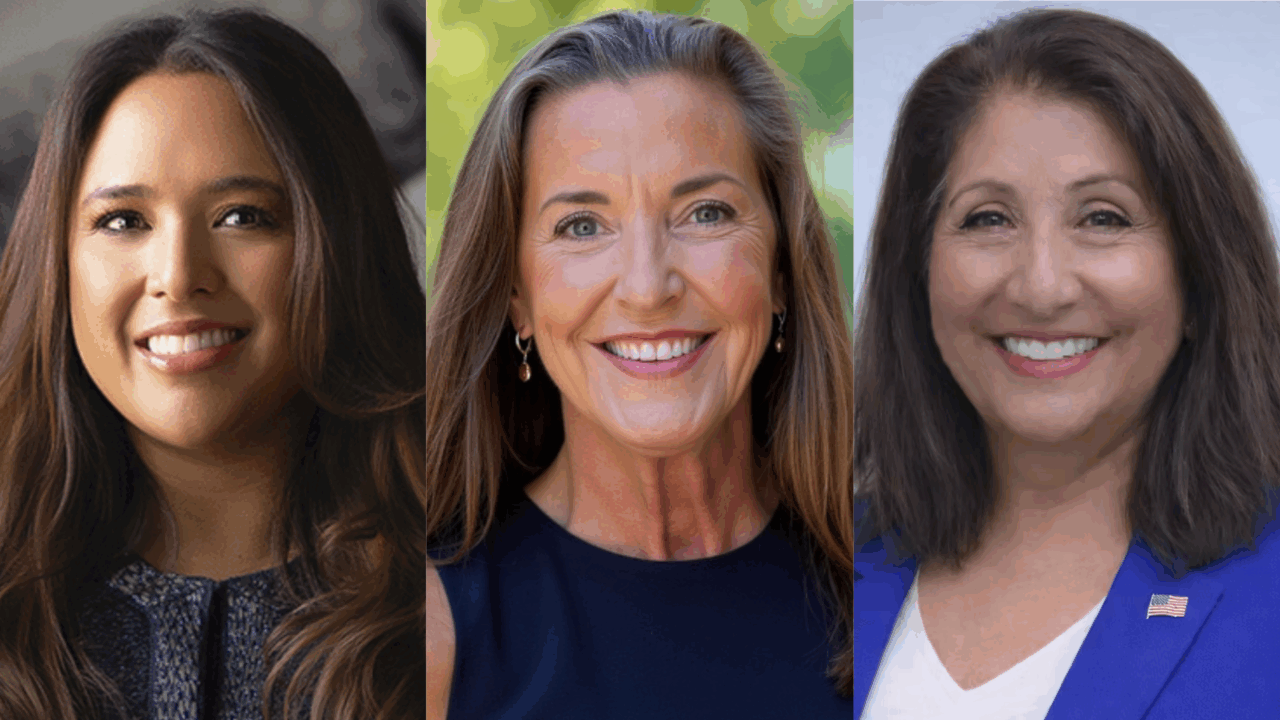
A vacant City Commission seat is set to gain a new occupant following Tuesday’s election in Delray Beach.
Voters have three candidates to choose from — Andrea Keiser, Judy Mollica and Delores Rangel — who are competing to replace ex-Commissioner Rob Long after he won a Special Election for House District 90 late last year.
Delray Beach Commission members are elected at large, meaning every voter in the city can weigh in on this week’s contest, regardless of where they live. And there are no runoffs; the biggest vote-getter Tuesday wins the seat outright.
Terms in the city run three years, with a limit of two consecutive terms.
Several factors are influencing voters’ decisions in Delray Beach this year. Development, governance disputes and finances have all surfaced as central issues in the city’s current election cycle. Rapid construction growth, especially downtown, remains contentious as residents debate density, traffic and the influence of developers on city politics.
City Commission meetings have frequently devolved into public arguments, with observers describing sessions under Mayor Tom Carney as chaotic “shouting matches.”
The conflict is especially visible in a fight over the city’s Downtown Development Authority (DDA). Carney has pushed for greater scrutiny of the agency’s finances and supported a state audit after an internal review found control and document weaknesses. Meanwhile, some Commissioners — Juli Casale and Thomas Markert — have defended the DDA as a key driver of downtown business activity.
Taxes and city finances are another flashpoint. In 2025, the Commission voted 3-2 to raise Delray Beach’s millage rate from 5.94 to 6.19 mills, the first increase in more than a decade, after officials warned that a previously lowered rate had caused a $25 million budget shortfall. Deputy Vice Mayor Angela Burns, who voted for keeping the lower rate, contended that the hike wouldn’t fix the problem.
A coastal municipality in southern Palm Beach County situated between Boca Raton and West Palm Beach, Delray Beach boasts roughly 72,000 residents, making it one of the larger cities in the county.
Tuesday’s nonpartisan election comes against that politically unstable backdrop. Long frequently cast the five-seat City Commission’s deciding vote — a power the winner will secure.
Keiser, a 42-year-old Republican land-use and zoning lawyer, small-business owner and education administrator, is running for elected office after serving in multiple appointed capacities under Gov. Ron DeSantis, including the Delray Beach Housing Authority and Early Learning Coalition of Palm Beach County.
Her husband’s family founded Keiser University, a private higher education institution headquartered in Fort Lauderdale, for which she previously worked in legal affairs.
Keiser’s campaign platform has centered on improving government efficiency and public safety, backing the development of workforce housing, managing traffic better, bolstering local infrastructure and refining Delray Beach’s land-use policy while protecting residents’ quality of life.
Some critics have raised concerns about developer influence, given Keiser’s professional work with development approvals, though she has argued that her expertise will help, not exploit, complex city codes.
Through Friday, Keiser reported raising more than $170,500 and spending $133,500 through her city campaign account, with much of her gains coming from her bank account. She also has two state-level political committees, neither of which reported any campaign finance activity before Dec. 31, the last date for which such information is available from the Florida Division of Elections.

Mollica, a 65-year-old Democratic real estate broker and longtime civic activist, is the founder of Friends of Delray, a nonprofit community-focused news and activism platform. She is also a member of the city’s Planning and Zoning Board and Affordable Housing Advisory Committee, and is active in the Rotary Club of Delray Beach and other local organizations.
Her campaign has focused in large part on government watchdog issues, emphasizing transparency, civic engagement and repairing strained relationships between residents and City Hall. Among her priorities: addressing housing unaffordability, upgrading aging water infrastructure and managing traffic congestion.
She has also been outspoken about state proposals to eliminate property taxes, warning it could be a “disaster” for Delray’s finances. On City Hall infighting, Mollica has criticized Carney, arguing the frequency of clashes among Commissioners could be reduced if the Mayor exercised stronger control of meetings. She also supports responsible development that preserves neighborhood character while maintaining downtown’s economic vitality.
Mollica reported raising more than $86,000 and spending $44,000 through her campaign account by the end of last week, with her gains coming through a blend of personal checks, corporate contributions and political donations, plus $40,000 in self-loans. A state-level political committee she runs reported no financial activity between mid-2022 and New Year’s Eve.

Rangel, 67, worked for nearly three decades at City Hall as an executive assistant, including 27 years working directly with the Mayor and City Commission. A longtime Republican who switched to Democrat in 2024, she has described herself as a politically independent, pragmatic administrator rather than a partisan figure.
Her campaign messaging has emphasized transparency, fiscal oversight and protecting the city’s “Village-by-the-Sea character,” along with safer neighborhoods and strong public schools. Her experience inside City Hall, she argued, means she could “hit the ground running” without a learning curve.
On the major issues facing the city, Rangel supports protecting neighborhood scale, managing growth carefully and keeping taxes low, while maintaining city services. She has criticized Carney’s management style, saying meetings need better organization rather than attempts to control outcomes. She has also questioned the Mayor’s confrontational approach toward the DDA, suggesting the city should prioritize cooperation.
In terms of fundraising, Rangel is the underdog. She reported raising about $30,500 and spending $27,000 through her campaign account by the last reporting date. More than a third of her gains came through self-loans.