
Politics
House passes Live Local Act update further preemption localities on development, zoning
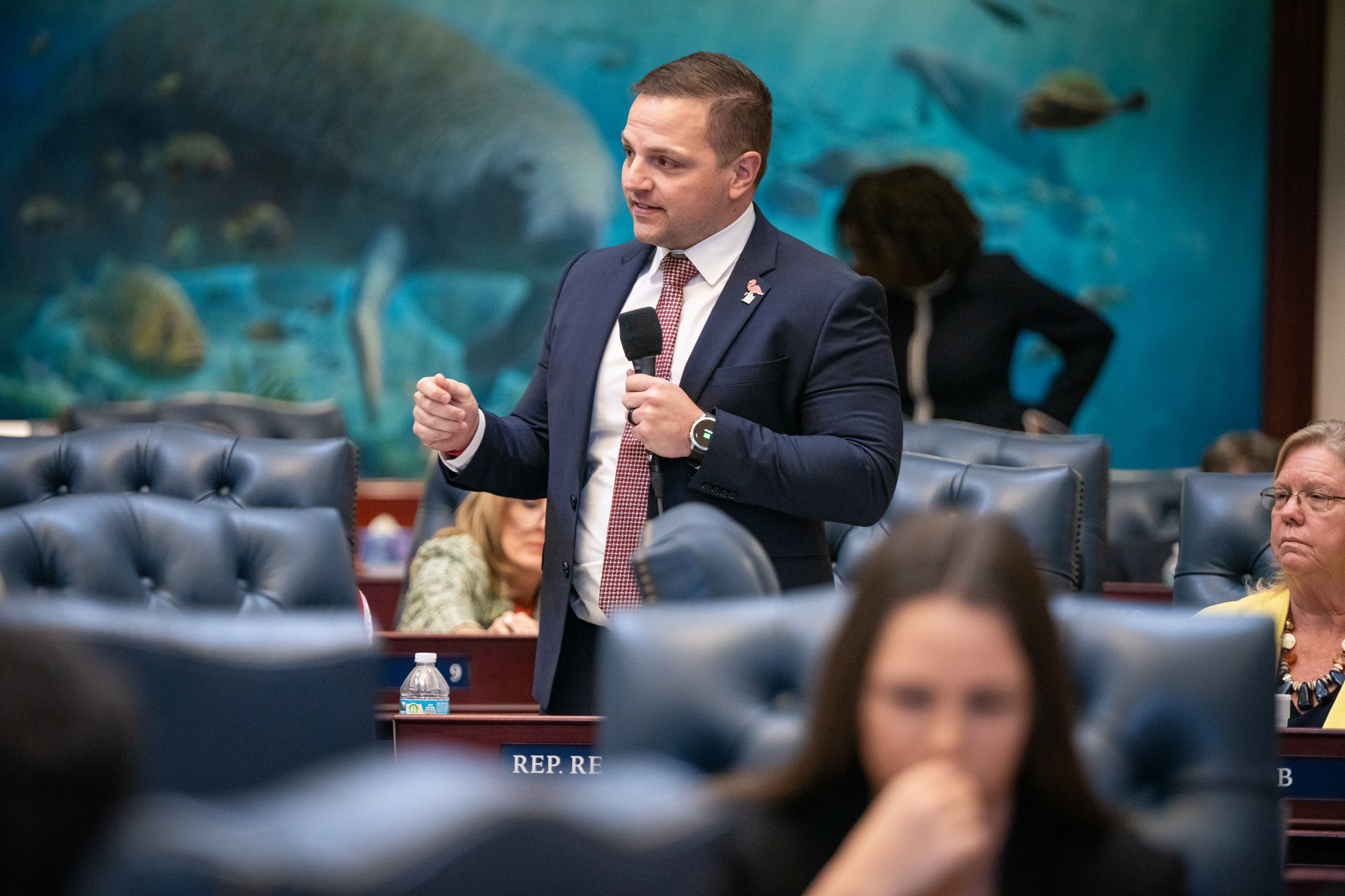
An update to the 3-year-old Live Local Act meant to further expand affordable housing by easing zoning rules, allowing more dwelling unit types, limiting local restrictions and protecting financial sources has cleared the Legislature’s lower chamber.
House members voted 76-29 for the measure (HB 1389), with all present Democrats voting “no” and four Republicans — Kim Berfield, Linda Chaney, Jeff Holcomb and Bernie Jacques — joining them.
Miami Republican Rep. Mike Redondo, the bill’s sponsor, said the measure’s added preemptions of local governance are needed due to continued resistance to residential development by some localities.
“Although we do have some very great local governments that are doing the best they can, not all of them are, and that’s exactly why our voters elected us to come up here and try and fix that issue,” he said.
“I constantly hear about this need for affordable housing. And we have this problem, NIMBY — ‘not in my backyard.’ It’s a real thing.”
HB 1389 — a more expansive proposal than its Senate analogue (SB 1548) by Miami Republican Sen. Alex Calatayud, which awaits a Senate floor vote after clearing all three Committees to which it was referred — would make several changes to Florida law aimed at encouraging more affordable housing to be built across the state.
It would require cities and counties to allow apartment buildings or mixed-use housing projects in many areas currently zoned for commercial or industrial uses, if at least 40% of the units are set aside as affordable housing for 30 years. This could also apply to land owned by local governments, School Districts or large religious institutions.
The bill would limit how much local governments can restrict the height or design of these developments, making it harder for cities and counties to block them through zoning rules.
It would also require local governments to allow accessory dwelling units — sometimes called “granny flats” or backyard apartments — in single-family neighborhoods through a simpler approval process. These units would have to be rented at affordable rates to lower- or moderate-income tenants.
The bill further updates housing discrimination laws by clarifying that local governments cannot reject housing projects because of how the development is financed, including projects funded to provide affordable housing.

It directs a state policy office to study ways to increase affordable home construction, including whether so-called “tiny homes” could help address housing shortages.
And notably, the measure waives sovereign immunity — which protects local governments from pricey lawsuits above $200,000 and $300,000 caps — for certain housing discrimination claims, allowing people to sue the state, its agencies or local governments if they violate those fair housing protections.
Redondo said the state has recorded several “documented instances” where counties and cities have done just that.
The reason that the people who were discriminated against (were unsuccessful in winning their cases is that) we didn’t have a waiver of sovereign immunity,” he said. “So, we’re fixing that in this bill.”
Ahead of the vote Wednesday, several Democrats lamented the additional erosion of home rule HB 1389 contemplates.
Parkland Rep. Christine Hunschofsky noted that she’d supported the bill in its first Committee stop this year, but changed her mind after the measure was amended to include the accessory dwelling unit portion.
Local housing, like governance, shouldn’t be a one-size-fits-all proposition, she said.
“We’re adding another burden onto the locals,” she said. “And then we’re not allowing them any flexibility for their community.”
Rep. Felicia Robinson of Miami Gardens asked Redondo why, after initially giving local governments the choice to opt out of certain Live Local provisions, HB 1389 is now poised to undo them.
Redondo explained that there remains a nearly 700,000-unit shortage in affordable housing, and his bill would help to fast-track their development.
Robinson disputed that the ways Redondo’s bill would allow development reflect the will of many residents and their local leaders.
“I understand the thing with affordable housing. I think that our local elected leaders understand that too,” she said. “I think they’re doing the best that they can within their communities. But now we’re taking away their option to decide.”
Boca Raton Rep. Kelly Skidmore likened the Legislature’s constant preemption to helicopter parenting. Localities need to be confident in their decision-making processes, she said, and not fearful that every choice they make will be overridden in Tallahassee.
“The more that we think that we know best here in Tallahassee, even though many of you come from local government and know that that’s not true,” she said, “the worse we’re making it for our communities at home.”
Lawmakers passed the Live Local Act in 2023 to spur construction of affordable and workforce housing across Florida through funding, tax incentives and zoning preemptions. The law requires local governments to allow certain multifamily developments in commercial, industrial and mixed-use areas if at least 40% of units are set aside as affordable rentals for 30 years. Legislators have since amended the law twice to clarify rules and strengthen its housing development provisions.