
Politics
The facts about data centers and energy
When it comes to reliable and affordable energy, Florida has been a leader for decades. Yes, we’ve seen prices increase nationwide, and our state is no different.
However, Florida’s electricity and gas prices have remained below the national average. Of course, there is more to the story that has put the Sunshine State in a position of strength.
State policymakers, regulators and Florida’s utilities have worked to balance rates against a backdrop of rising prices across all aspects of the supply chain, including increased labor costs. All while enabling critical investments in hardening grid infrastructure to increase resiliency to the severe weather we face each hurricane season, and to ensure our state has an affordable and reliable supply of power throughout the peninsula.
Reducing the length of outages after a major storm saves Florida’s economy billions. States across the nation have taken note and are learning from Florida’s bold leadership.
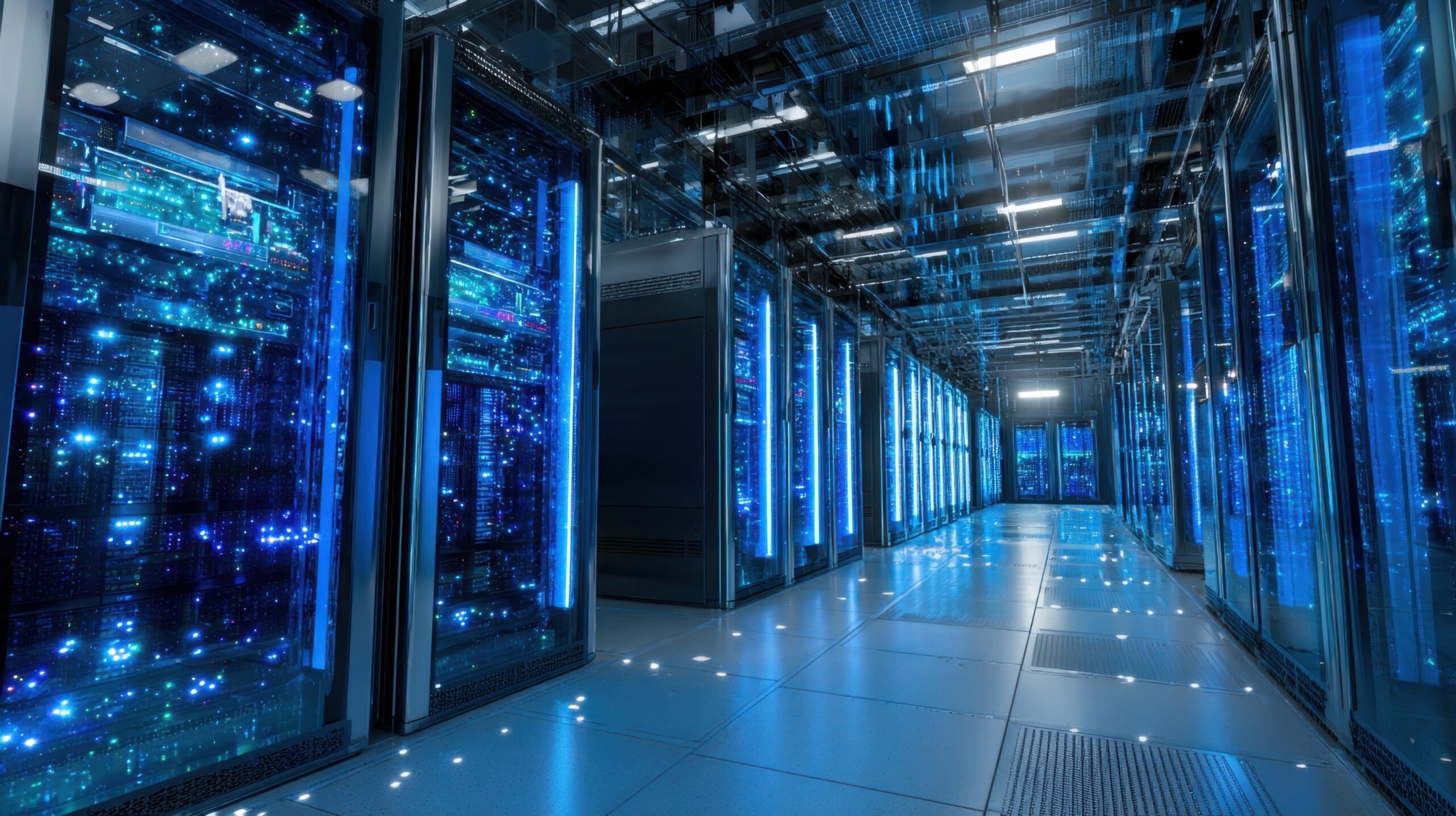
Our state now finds itself in a debate we see across the country. Conversations are happening in counties and cities nationwide about ensuring a reliable and affordable supply of power while meeting demand that is quickly growing from large customers such as data centers and advanced manufacturing facilities.

By seizing this opportunity, Florida can continue to lead in building the backbone of tomorrow’s digital economy. The economic benefits to our state cannot be dismissed. Just a one-gigawatt data center can create more than 45,000 temporary jobs, 5,000 permanent jobs, and contribute more than $400 million annually in state and local taxes. This additional tax revenue should not be overlooked as policymakers in Tallahassee explore ways to reduce homeowners’ property tax burden.
A major focus of these conversations has been on data centers and increasing electricity bills. A recent study by Charles River Associates on trends in retail electric rates found that the data do not show a consistent pattern of rising electric rates, except in certain areas of a restructured market known as the PJM Interconnection, which is made up mostly of states in the northeast.
Floridians benefit from a vertically integrated electric system, unlike PJM. Our state’s regulatory system is designed so regulators with the Florida Public Service Commission can monitor all aspects of the system, from generation, transmission, to distribution lines in your neighborhood. The goal of the regulators is to ensure consumers are protected and can continue to have access to affordable and reliable sources of energy. Additionally, adding more data centers and large customers to the grid can help lower rates by spreading the cost of grid infrastructure across these larger customers.
More and more of our daily life depends on the services data centers provide, from online banking to health care to national defense. If we do not seize this opportunity, competitors like China will continue to heavily invest in new data centers and AI technologies, leaving our nation at a disadvantage.
As we face this opportunity, debate on data centers and energy costs should be based on a full economic picture of what goes into energy bills and how consumers are protected. Florida has the chance to lead the way with sensible policies around data centers that allow the state to reap the massive economic benefits at hand. That is worth the conversation.

___
Jeff Ostermayer is senior vice president of public affairs & communications for Consumer Energy Alliance, which advocates for non-partisan energy policy for all Americans.