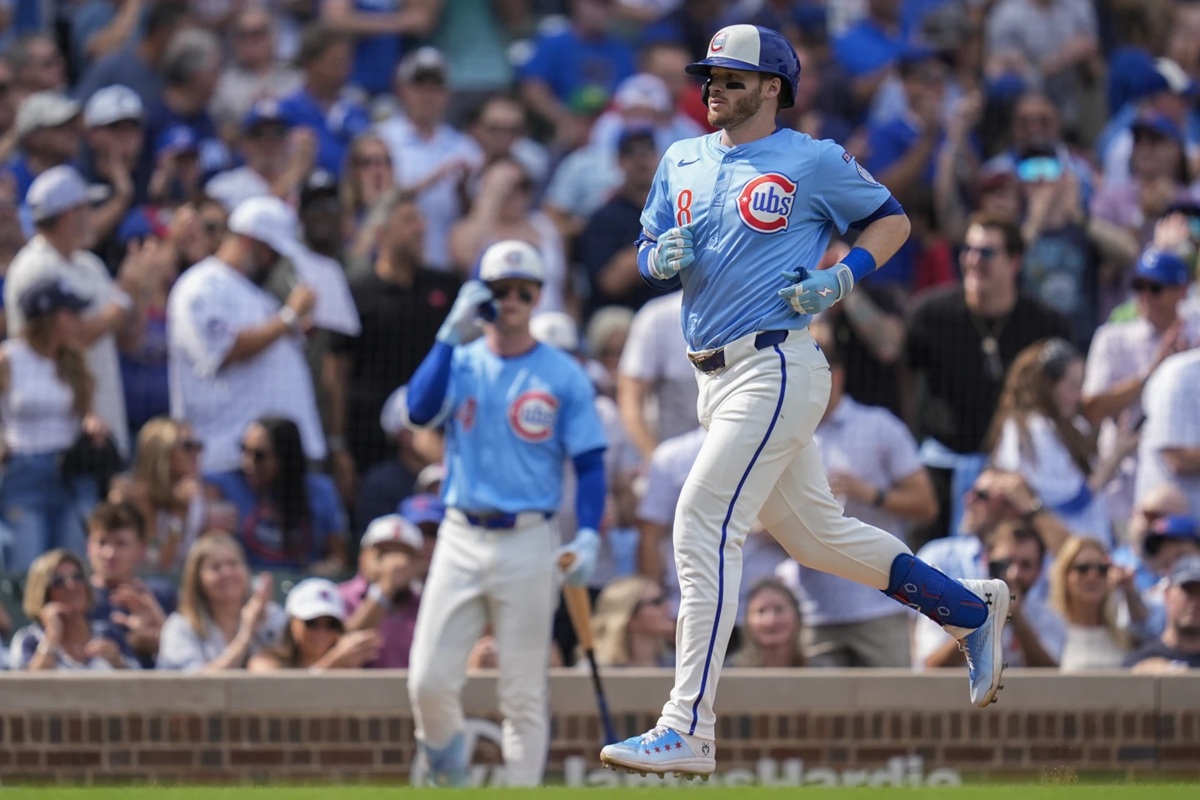
Chicago Cubs’ Ian Happ (8) runs the bases after hitting a home run during the fourth inning of a baseball game against the Tampa Bay Rays, Friday, Sept. 12, 2025, in Chicago. (AP Photo/Erin Hooley)
Rays fans get a brand‑new way to watch Major League Baseball in 2026. Rays.TV delivers every in‑market Rays game, every night, without blackouts. It’s simple. It’s statewide. It’s built for the big‑league club.
But here’s where fans get tripped up. Rays.TV does not include Minor League broadcasts. None of them. Not Durham. Not Montgomery. Not Bowling Green. Not Charleston. Not the FCL. The farm system lives on a completely separate platform: MiLB.TV.
The two services sit under the MLB umbrella, but they serve different audiences and operate on different rights structures. Rays.TV is a team‑specific, in‑market streaming product. MiLB.TV is a league‑wide service covering all 120 Minor League clubs.
What Rays.TV actually gives you
Rays.TV focuses on one thing: the Tampa Bay Rays. Fans get all 162 regular‑season games. They get MLB‑produced pregame and postgame shows. They get on‑demand features, interviews, and short‑form content. They get Spring Training games the club chooses to stream.
The service mirrors Padres.TV, DBacks.TV, Rockies.TV, and the other MLB‑run DTC platforms. It’s built for clarity. It’s built for reach. It’s built to replace the old RSN model that collapsed under Main Street Sports.
Rays.TV is the home for the Major League product. Nothing more. Nothing less.
What MiLB.TV delivers
MiLB.TV is a different world. It covers the entire player‑development system. Fans can watch prospects climb the ladder from April through September. The service includes every level: Triple‑A, Double‑A, High‑A, Low‑A, and the complex leagues.
MiLB.TV is a standalone subscription. It has its own price. Its own schedule. Its own production model. MLB has not announced any bundle, discount, or integration with Rays.TV.
If you want to follow Junior Caminero, Carson Williams, or the next wave of Rays arms, MiLB.TV is the only place to do it.
Why the services stay separate
The split comes down to rights, production, and audience. MLB controls the Rays’ local rights and now produces every Rays broadcast. Minor League Baseball operates under a different structure. Teams share production responsibilities. Rights are centralized. The economics don’t match the Major League model.
Bundling the two would require a full rebuild of the rights system. MLB hasn’t taken that step.
Bottom line for Rays fans
Rays.TV is your home for the big club. MiLB.TV is your home for the future stars. Two platforms. Two purposes. No overlap.