
Politics
Puerto Rico Energy Bureau’s temporary response to electric grid woes is problematic at best, corrupt at worst
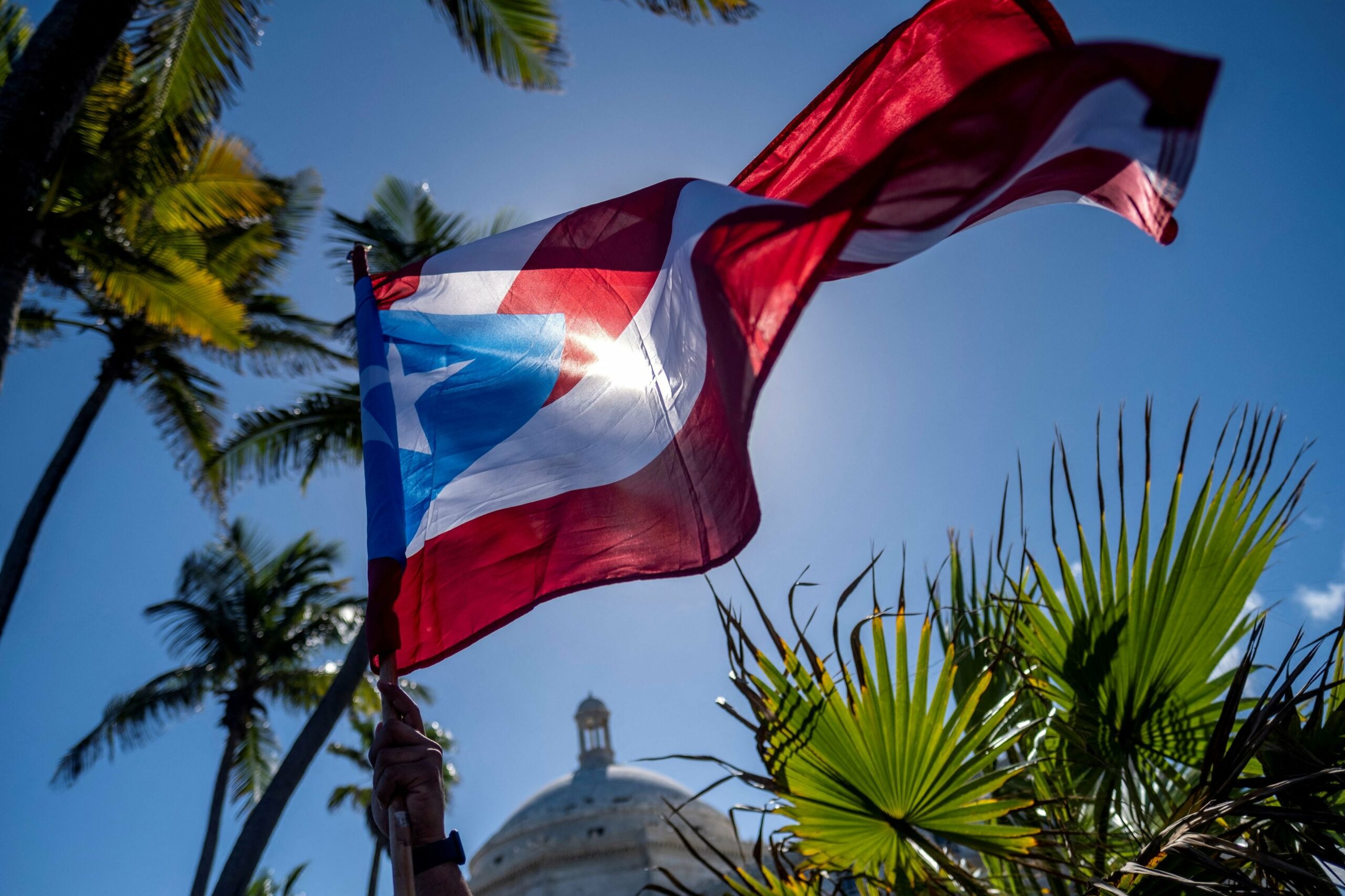
Just days after Bad Bunny climbed a sparking utility pole on the Super Bowl stage performing “El Apagón” to spotlight Puerto Rico’s endless blackouts and electric grid struggles, the island’s power crisis feels more visible than ever.
What played out in front of millions as a dramatic act of cultural resistance is, on the ground, a daily reality. It’s not a one-time emergency, but a persistent challenge. Puerto Rico’s leaders have turned temporary fixes into permanent fixtures, as seen in the latest “emergency” generation contract that stretches far beyond any urgent need.
What began as a temporary response to grid fragility has hardened into a governing method: rushed procurements, shifting rules, confidential records, and contractors sold as saviors until the paperwork catches up. The 2025 “temporary generation” contract is simply the most vivid example yet.
The numbers alone should have forced a reckoning.
In NEPR-MI-2024-0005, the Puerto Rico Energy Bureau acknowledged the island experienced “115 load-shedding events” in 2024, calling that figure “significant compared to the North American utility standard of one event every ten years.”
One blackout every few days is not a weather problem. It is a system failure.
Faced with that reality, the regulator authorized “any urgent and temporary initiative necessary to address the emergency situation.”
Temporary. Urgent. Those words matter because what followed bore little resemblance to either.
On March 25, 2025, Puerto Rico Electric Power Authority (PREPA) — through the Public-Private Partnerships Authority (P3A) and its Third-Party Procurement Office (3PPO) — issued a Request For Proposals for up to 800MW of temporary generation, to be installed at PREPA’s Aguirre and Costa Sur sites. According to PREPA’s own filings, seven proposals were received. In a capital-intensive, highly specialized market, seven proposals is not exactly a stampede.
The process ended with the selection of Power Expectations, slated to provide 600 MW at Aguirre and 200 MW at Costa Sur. What followed was not regulatory confidence, but regulatory unease.

In its June 27, 2025 Resolution and Order, the energy bureau openly questioned the economics of the deal, noting concerns about pricing assumptions, contract structure, and duration. The Bureau demanded additional information because it was not satisfied the proposal aligned with the original emergency framework.
That skepticism should have been decisive. Instead, it became an invitation to stretch the deal.
The regulator effectively suggested the way to make a “temporary” contract work was to make it longer. Media reports later confirmed the agreement contemplated prices in the range of $0.19 to $0.20 per kWh and contractual structures that could extend up to ten years. At that point, the word “temporary” had lost all meaning.
Then came the secrecy.
Substantial portions of the contract and the procurement evaluation were granted confidential treatment. The Bureau ordered redacted public versions, but the damage was done. A procurement involving hundreds of millions of dollars and the operational stability of the grid was shielded from full public scrutiny. Transparency was treated as optional.
Unsurprisingly, litigation followed. On July 9, 2025, a competing bidder filed a motion in NEPR-MI-2024-0005 seeking to vacate the approval, alleging limited access to the administrative record and deficiencies in due diligence. As NotiCel reported, the challenger argued confidentiality prevented meaningful review of “the supplier’s capacity and compliance with the procurement requirements.” These claims remain unadjudicated. But their existence underscores how brittle the process had become.
The controversy did not stop at process. It moved quickly to people.
Multiple news outlets have reported that Eddie Echevarria, identified as the principal figure behind Power Expectations, has prior felony convictions in Florida, according to public court records, and has “little history” of developing power projects. NotiCel similarly reported that judicial records reflected felony convictions tied to Echevarria.
None of this alone establishes legal ineligibility. But it does raise an unavoidable question: What level of due diligence did the Commonwealth perform, and where is that analysis documented? In a jurisdiction burned repeatedly by failed energy contracts, “trust us” is not a sufficient answer.
The energy bureau ultimately decided to re-run the process for temporary generation, and in December 2025 the result was déjà vu. The 3PPO once again advanced Power Expectations, despite the troubling history surrounding this procurement. However, this time, the energy bureau approved the Power Expectations contract — but did so with two extraordinary and unprecedented caveats.
First, the energy bureau explicitly said it conducted no due diligence whatsoever, which we believe to be a first of its kind disclaimer used in an approval. Second, the energy bureau acknowledged the final contract terms were materially different and materially more expensive than the pricing and terms previously disclosed to the public.
Instead of the of $0.19 to $0.20 per kWh for 10 years disclosed in the July 11 energy bureau resolution, the new pricing is $0.32 per kWh for 10 years in the December 11 Energy Bureau Resolution, which, according to their own comments, was approved without any due diligence.
Taken together, these facts further reinforce the appearance of pretextual and improper conduct and warrant serious scrutiny.
If the contract fails, the consequences will not be theoretical.
The island will face peak Summer demand and hurricane season without a backup plan. There will be no time to re-bid and no alternative supplier waiting in the wings.
This is not alarmism. It is arithmetic.
Under PROMESA, the Financial Oversight and Management Board (FOMB) for Puerto Rico is required to review major contracts for compliance with the fiscal plan and the principles of competitive integrity. The Board’s own policies emphasize market competition and fiscal discipline. A 10-year “temporary” contract born of a rushed emergency procurement, materially higher than expected prices and all backed by a sponsor with a criminal record and little experience tests those standards to their breaking point.
The Power Expectations contract is now before the FOMB, and this is precisely the moment for the adults in the room to step in, recognize what is happening, and ensure Puerto Rico does not continue down a path of opaque, inconsistent, and ethically questionable procurement practices.
On an island that is no stranger to corruption and corrupt politics, this contract raises serious red flags and warrants careful scrutiny. The fast-tracked approval, coupled with an express acknowledgment of no due diligence, demands transparency and answers. The public deserves to understand what is driving this process, who stands behind it, and why it is being advanced under these circumstances.
At a minimum, this situation calls for an independent review by the FOMB to ensure decisions are being made in the best interest of the people of Puerto Rico, not to perpetuate business as usual.
The people of Puerto Rico deserve a procurement system grounded in transparency, integrity, and accountability. Anything less undermines public trust and delays the island’s path toward reliable, affordable energy.
And while Bad Bunny experienced the pinnacle of fame highlighting Puerto Rico’s electric grid challenges during his Super Bow performance, it’s a safe bet he would rather not have that as his muse.