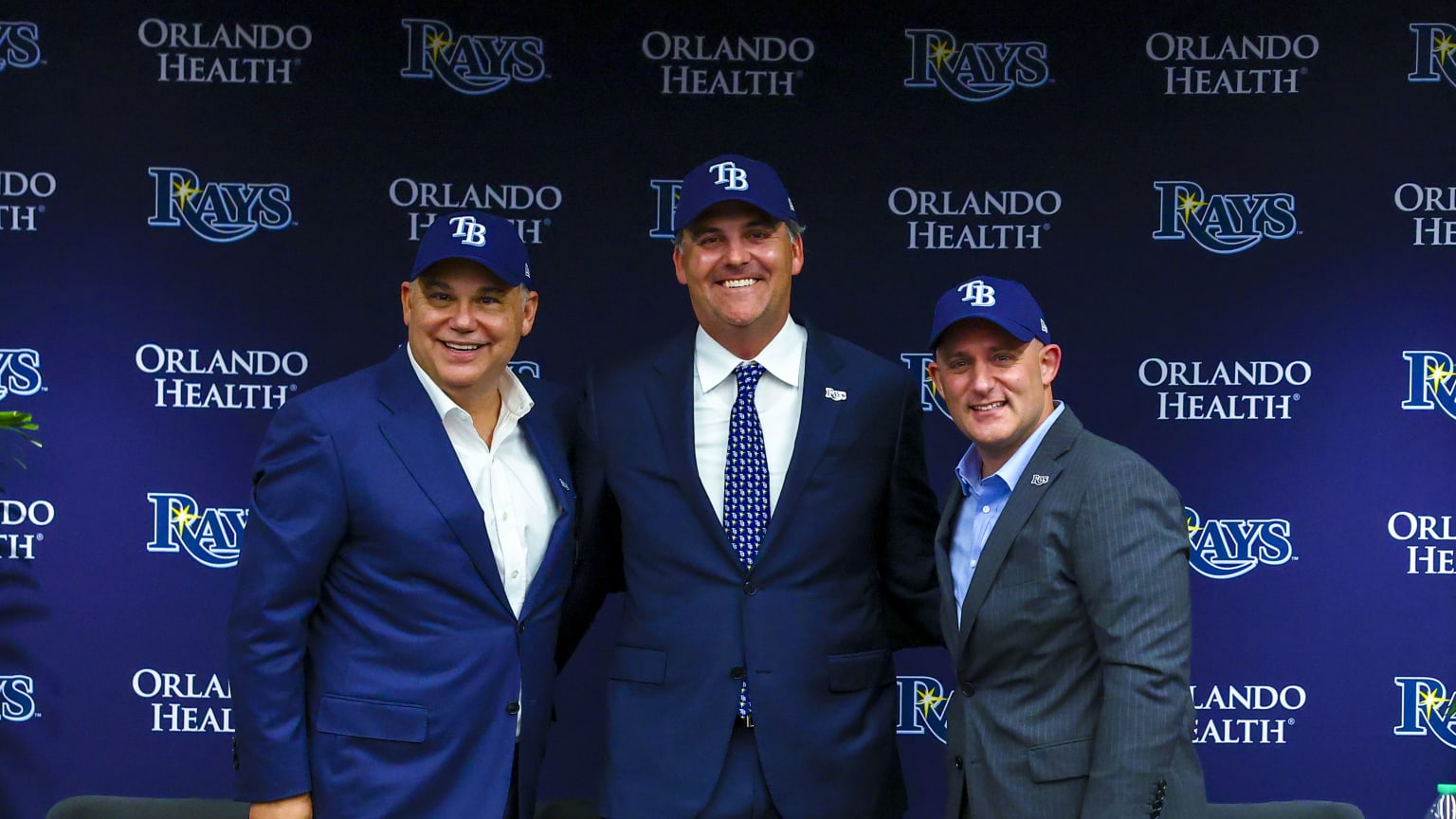
The Tampa Bay Rays open camp under new ownership with optimism and structural investment. According to MLB.com and Tampa Bay Times reporting, pitchers and catchers report February 14, with position players arriving February 19. The organization enters 2026 focused on stability, development, and long‑term competitiveness.
Rotation Depth Remains a Strength
The Rays’ pitching outlook centers around the return of Shane McClanahan, who was described as healthy and on track for a full workload entering spring training. His presence reestablishes a true No. 1 atop the rotation. Behind him, Zach Eflin and Aaron Civale are key stabilizers, giving Tampa Bay a veteran foundation the club expects to lean on early in the season.
The Rays continued to highlight the importance of their high‑upside young arms. Taj Bradley was viewed as a major breakout candidate after showing improved command and durability late in the previous season, while Shane Baz entered camp fully recovered and positioned to compete for a rotation spot. Both pitchers were mentioned frequently as internal options capable of delivering impact innings if they take expected developmental steps.
The Rays’ reputation for developing pitching depth. Multiple reports emphasized that Tampa Bay’s pitching lab and player‑development infrastructure continue to produce arms who can contribute meaningful innings throughout the season. The organization’s confidence in its ability to identify and refine pitching talent remained a central theme, with several younger pitchers and non‑roster invitees expected to receive extended looks as camp opens.
The Rays’ pitching narrative centered on a healthy McClanahan, a steady veteran core, and a wave of young, high‑ceiling arms competing to round out one of the deepest staffs in the American League.
A Lineup Built on Versatility
Tampa Bay expects several upper‑level prospects to push for roster spots early in camp. Infielders like Gavin Lux, whose acquisition was confirmed during this period, added an immediate layer of versatility and competition on the dirt. Lux’s arrival gave the Rays a left‑handed bat capable of playing multiple infield positions, aligning with the organization’s long‑standing preference for defensive flexibility and matchup‑driven roster construction.
Prospects such as Junior Caminero, Curtis Mead, and Carson Williams are players expected to make noise, with each bringing a different blend of power, athleticism, and defensive upside. Caminero’s elite bat speed and offensive ceiling kept him at the center of Rays camp buzz, while Mead’s contact skills and improving defense positioned him to challenge for at‑bats at second and third base. Williams, praised for his glove and emerging power, entered camp with a legitimate opportunity to force his way into the shortstop conversation.
The Rays made it clear that they want their young core to push established veterans and create meaningful competition at multiple positions. The front office’s messaging emphasized depth, versatility, and internal development — hallmarks of the Rays’ roster‑building philosophy. With Lux added to the mix and several top prospects poised to compete, Tampa Bay entered February with a roster designed to be both flexible and aggressively competitive heading into the 2026 season.
Expectations Under New Ownership
The Rays aim to return to the postseason and build a sustainable long‑term core. With health, depth, and renewed investment, Tampa Bay expects to remain a force in the AL East.