
Politics
Thoroughbred horse racing ‘decoupling’ measure clears final House committee
Rep. Adam Anderson successfully advanced a measure through the final House Committee that seeks to level the playing field among pari-mutuel activities while decoupling thoroughbred horse racing from other gambling activities.
The bill (HB 881) cleared the House Commerce Committee on Tuesday, paving the way for a full House vote after the bill also cleared the House Industries and Professional Activities Subcommittee last month.
A similar Senate version of the bill (SB 1564) sponsored by Sen. Nick DiCeglie has not yet been heard in any of its three referred Committees.
Anderson’s version cleared Commerce after a strike-all amendment simplifying language was adopted. Despite the amendment, the bill maintains its original intent.
Its final Committee passage came despite significant pushback from the thoroughbred horse racing industry. Speaking on his bill, Anderson made clear he appreciated the feedback, particularly comments from several horse breeders that improvements to the industry were forthcoming. Anderson also noted that he is “a lover of the race” and has “been involved in the racing industry for the better part of a decade.”
“I want to see it thrive, but I want to see it thrive independently, because we value free market principles,” Anderson said.
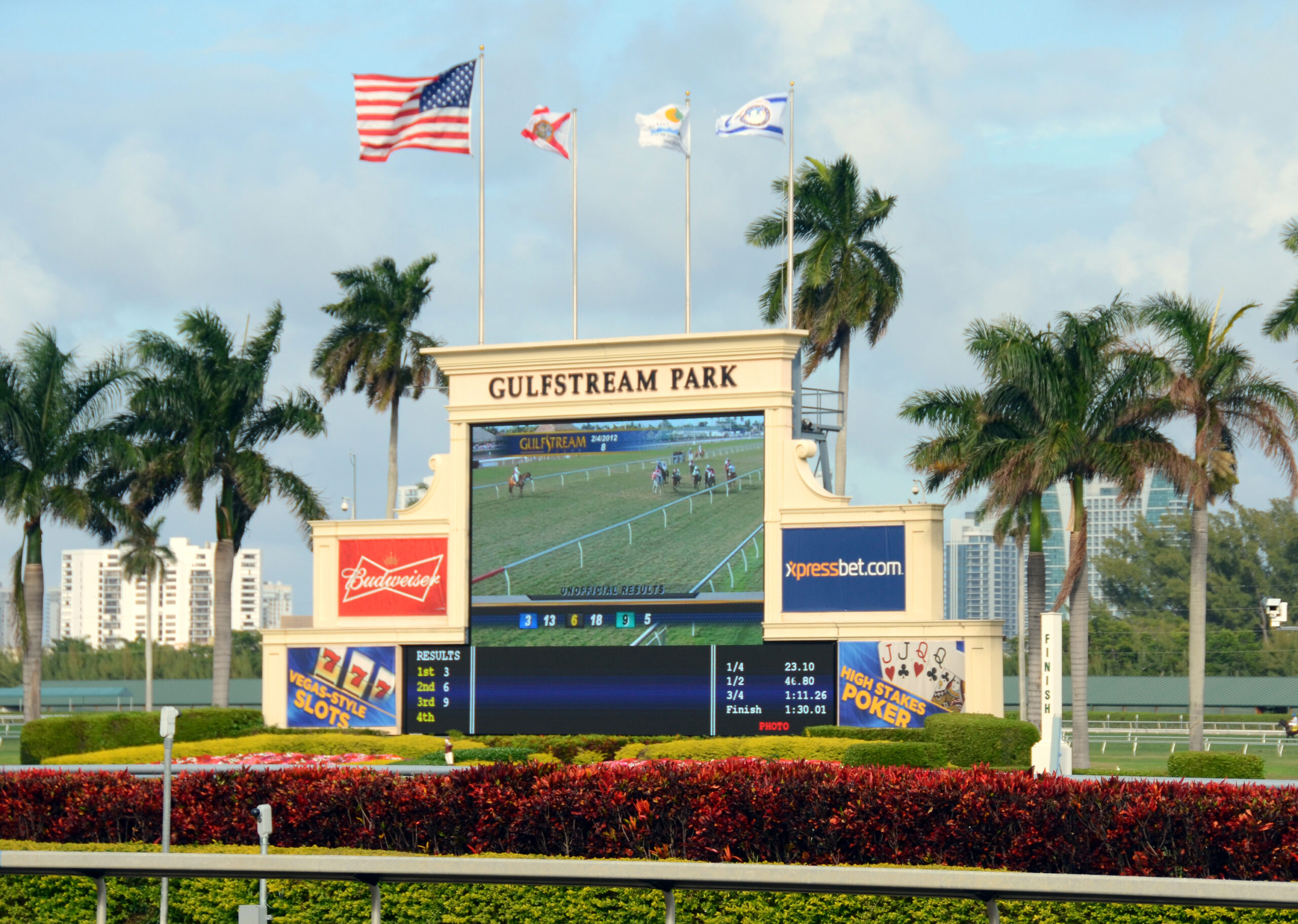
Anderson’s bill is similar to a 2025 effort that cleared the House and one Senate committee. It would allow Gulfstream Park in Hallandale Beach to continue operating its on-site casino without requiring it also to operate horse racing. The measure seeks to align thoroughbred tracks with other pari-mutuel facilities, decoupling them from ancillary activities under a 2021 law (SB 2A).
Supporters of the legislation say it is necessary to level the playing field for horse race tracks by giving them the option to maintain certain gambling activities even without live horse races, referred to as “decoupling.” It would make each activity independent.
Horse racing is declining, but Gulfstream Park is still trying to preserve it as a significant industry. Gulfstream is hoping to work with industry leaders to find a long-term solution for racing. Its decline is apparent through horse breeding statistics. In 2002, about 4,500 foals were bred. By the end of last year, that number had dropped to just 1,000.
Anderson’s measure, if approved, would also decouple Tampa Bay Downs in Tampa.

Critics of decoupling worry the move would spell the end for horse racing in Florida. According to the American Horse Council, the industry has a $3.24 billion economic impact and supports more than 33,000 jobs. The estimate doesn’t account for the tourism impact from horse racing.
The breeding association collects a percentage of revenue from every race conducted at the parks, even if a Florida horse isn’t in the race.
The measure is likely to face a rocky road to approval again. In April, the National Horsemen’s Benevolent and Protective Association threw its considerable weight behind efforts to block legislation and is likely to do so again.
Additionally, Gov. Ron DeSantis poses a veto threat even if the legislation clears both chambers of the Legislature. Speaking to the horseman’s association earlier this year, DeSantis said the legislation would “have the effect of harming the industry.”
Notably, DeSantis signed the 2021 legislation that decoupled all pari-mutuel operations in South Florida.
But like the 2025 attempt, the 2026 bill includes a long lead-up to venues suspending live racing. It would not allow notice of racing suspension until July 1, 2027, and racing would be required to continue for at least three years after the notice of intent to suspend.