
Sports
How Sports Betting Has Changed Fan Conversations


Sports have always been a powerful medium for connecting people, creating excitement, and sparking conversations. Fans gather in stadiums, watch games together, and debate every aspect of a match, from tactics to players’ performances. Over time, sports discussions have evolved, and one of the most significant changes in recent years has been the rise of sports betting. What once was a niche activity has now become a central part of the conversation, both in person and online. As more states legalize sports betting and new technologies such as crypto betting sites emerge, fans are increasingly discussing odds, bets, and wagering strategies just as much as the games themselves.

ALT: A neon sign displaying RACE & SPORTS BOOK in bright colors
Betting has always been a part of sports culture, but the digital age has drastically changed the way fans engage with it. Platforms offering crypto betting sites have made placing bets easier, faster, and more secure than ever before. Cryptocurrencies like Bitcoin are now commonly used for transactions, appealing to younger, tech-savvy fans who are also looking for an anonymous and streamlined betting experience. This shift toward digital platforms has not only made sports betting more accessible but has also changed the nature of how fans interact with the sports they love.
The Rise of Sports Betting Platforms
The rise of sports betting platforms has fundamentally altered how fans approach their favourite sports. With the proliferation of online sportsbooks, the days of placing a bet at a physical betting shop are quickly fading. Instead, fans can now place wagers from the comfort of their homes, using nothing more than their smartphones. This convenience has led to an explosion of interest in betting on a range of sports, from football and basketball to niche markets like esports and horse racing.
Betting has become more integrated into fans’ daily routines. Many fans no longer view betting as a separate activity; it’s now an extension of the sports experience. Fans are discussing predictions, betting odds, and potential outcomes on social media platforms, podcasts, and forums. Betting has become part of the conversation before, during, and after the game.
With cryptocurrencies adding another layer of convenience, these platforms are further eliminating friction. Crypto betting sites offer fast and anonymous transactions, which appeal to both seasoned bettors and newcomers. The use of cryptocurrencies also opens up global betting markets, making it easier for fans worldwide to get involved.
The Social Side of Sports Betting
As sports betting becomes more mainstream, it is increasingly woven into fan culture and social interactions. Social media platforms like Twitter, Instagram, and Reddit are filled with discussions about bets, odds, and winning strategies. What was once a personal activity for some has turned into a shared experience that connects fans across the world. Sports betting has enhanced the competitive spirit of fandom, making game outcomes and player performances even more consequential to fans who have placed a wager.
Online sports betting has also made it easier for fans to track the success or failure of their bets in real time. Live betting allows fans to place wagers during the game, further engaging them and making every moment feel like a stake in the outcome. This has encouraged more in-depth conversations during live events, with fans not only discussing the game itself but also analyzing and predicting betting outcomes as the game unfolds.
This social interaction extends beyond online platforms. Fans now discuss their bets with friends and family, just as they would talk about their favourite players or teams. The lines between sports enthusiasts and bettors have become increasingly blurred, with both groups now sharing common ground in discussions about their favourite games.
The Influence of Sportsbook Promotions
One of the driving forces behind the rise of sports betting has been the aggressive marketing of sportsbooks and their promotions. From welcome bonuses to free bets, online platforms have found ways to incentivize new users and keep existing bettors engaged. These promotions have added another layer to fan conversations, with people constantly discussing which sportsbooks offer the best odds or the most attractive bonuses.
Arsenal fans, for example, might chat with friends about not only the upcoming match against Tottenham Hotspur but also about the odds and potential profits available on their favourite sportsbook. This dynamic has created a new dimension to fan conversations, where odds and promotions now play an integral role alongside team analysis and player performance.
The Impact of Crypto on the Sports Betting Scene
The integration of cryptocurrency into sports betting has been a game-changer for the industry. Digital currencies like Bitcoin, Ethereum, and Litecoin have brought new possibilities to the world of betting. Crypto betting sites offer faster, more secure transactions compared to traditional payment methods. Since blockchain technology ensures transparency and anonymity, it appeals to a wide range of bettors, particularly those who prefer a more private betting experience.
Cryptocurrency has also enabled bettors to bypass traditional banking systems, which can sometimes impose delays or fees. Fans now have the ability to place and receive bets almost instantaneously, which has greatly increased the appeal of sports betting platforms. This shift has been particularly attractive to younger generations who are more comfortable using digital currencies and who see the benefits of using decentralized systems for their transactions.
The rise of crypto in the sports betting world has led to greater innovation. Many platforms are now experimenting with new betting models and exploring ways to use cryptocurrencies to enhance the user experience. As this trend grows, it’s likely that sports betting will continue to become an even more integral part of fan culture.
The Changing Relationship Between Fans and Betting
As betting becomes more integrated into the sports fan experience, it is clear that the relationship between fans and sports betting is evolving. For some, placing a bet adds excitement and engagement to the sport they love, while for others, it’s an opportunity to earn money while enjoying the action. Regardless of the reason, one thing is clear: sports betting has become an undeniable part of modern sports culture.
Fans are now more informed about betting odds, market trends, and the intricacies of placing successful bets. Sportsbooks are offering more resources and educational tools to help new bettors get started. For those who are new to betting, they can rely on expert analysis, tips, and guides to improve their strategies and understand the game in a new way.
Conclusion
The rise of online casinos and sports betting has changed the way fans engage with sports. What was once a casual hobby has now become an integral part of the sports fan experience. From betting on matches to discussing odds and predictions, sports betting has altered the conversations fans have with one another. With the rise of crypto betting sites and live betting options, the future of sports betting looks bright, offering more convenience, faster transactions, and a deeper connection between fans and the games they love. As sports betting continues to evolve, it will undoubtedly remain a central part of fan culture and the broader sports entertainment industry.

Dourekas spoke on his journey in the football world
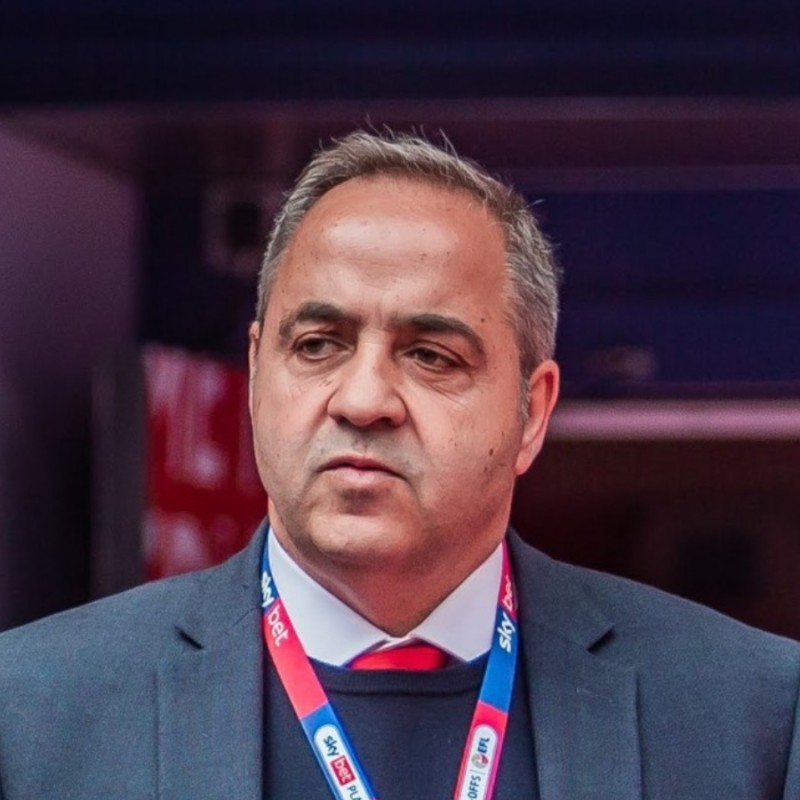
Kyriakos Dourekas has built a career inside football’s engine rooms. He prefers planning rooms to touchlines. He prefers structure to spotlight. Yet his influence continues to surface wherever ambition meets execution. After leaving Nottingham Forest for Saudi Arabian side Neom, the former Forest director of football admitted there is still something he misses.
That something is Evangelos Marinakis.
Despite calling his move to Saudi Arabia “exciting,” Dourekas made it clear that his bond with Forest’s owner remains strong.
“When Mr Marinakis wants something, it will happen, believe me,” Dourekas told BBC Sport. “His ambition is so big. Whenever he has something in his mind, and it’s his target, it will be done.”
Building Forest’s Future, Not Living in Its Past
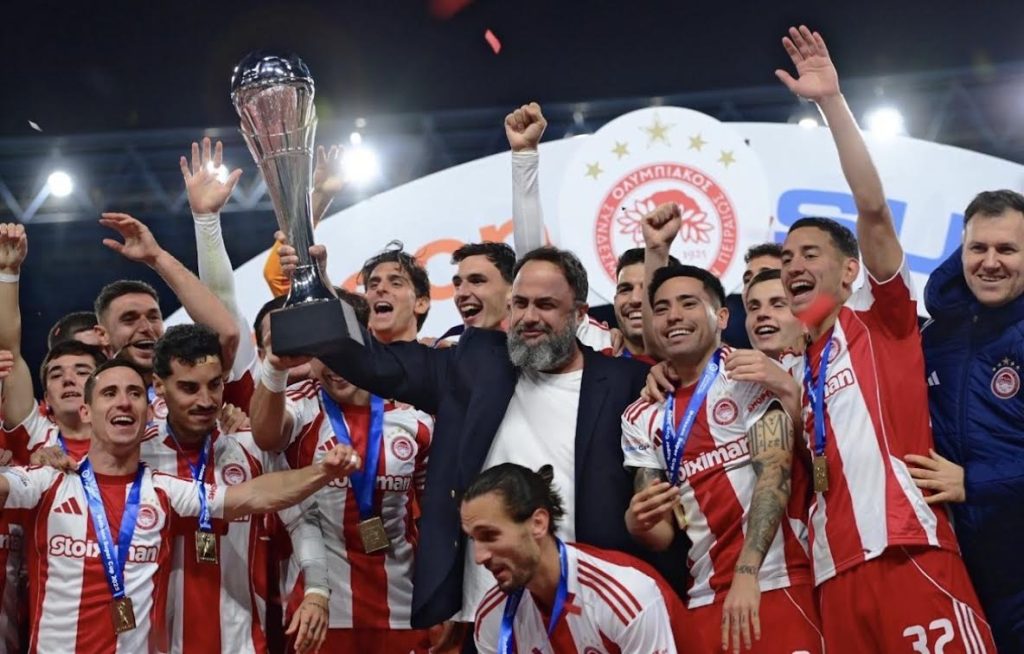
Dourekas joined Nottingham Forest in 2018 from Olympiacos, another Marinakis-owned club. He arrived with a clear understanding of the owner’s expectations and belief system. That clarity helped Forest achieve something the club had chased for more than two decades.
Promotion to the Premier League in 2022 ended a 23-year absence from the top flight.
“A great man, entrepreneur and leader,” Dourekas said of Marinakis. “When I went there, I believed we could bring Nottingham Forest to the Premier League because I knew I had him as a leader.”
Dourekas believes Forest’s history worked against the club before that reset. “We were a little too much in the past,” he said. “Players coming in didn’t feel important, so we had a motto with Marinakis: ‘We respect the past, but we create the future.’ We wanted to create a Premier League future.”
Recruitment followed that philosophy. Decisions came through a collective process that included Marinakis, his son Miltiadis, the data department, and then director Ross Wilson. Structure mattered. Alignment mattered more.
The Leap to NEOM and a Blank Canvas
In July 2024, Dourekas made a move that surprised many inside English football. He accepted a role with Neom, a club being built from scratch inside Saudi Arabia’s ambitious megaproject on the Red Sea coast.
“I went to Marinakis and said I had an exciting new proposal,” Dourekas said. “It was my sixth year and he had a strong staff in place.”
The challenge appealed to his builder’s mindset. “We are building Neom as a club from the ground up,” he said. “We only have one pitch. No buildings. No infrastructure. Everything is built to help not just now, but to last.”
Neom’s vision centers on youth development. The club fields the youngest team in its league and places a heavy emphasis on developing Saudi players. Dourekas hopes that approach sets a precedent others will follow.
Recognition Beyond Results
Dourekas’ work has earned recognition beyond wins and promotions. He recently received the Mandela Award for Contribution to Sport. The honor recognized his belief that football can drive cultural exchange, social purpose, and long-term development.
The award reflects a career defined by foundations rather than headlines.
From Olympiacos to Nottingham Forest to the Saudi desert, Dourekas continues to chase the same idea. Respect the past. Build the future. And do it with purpose.

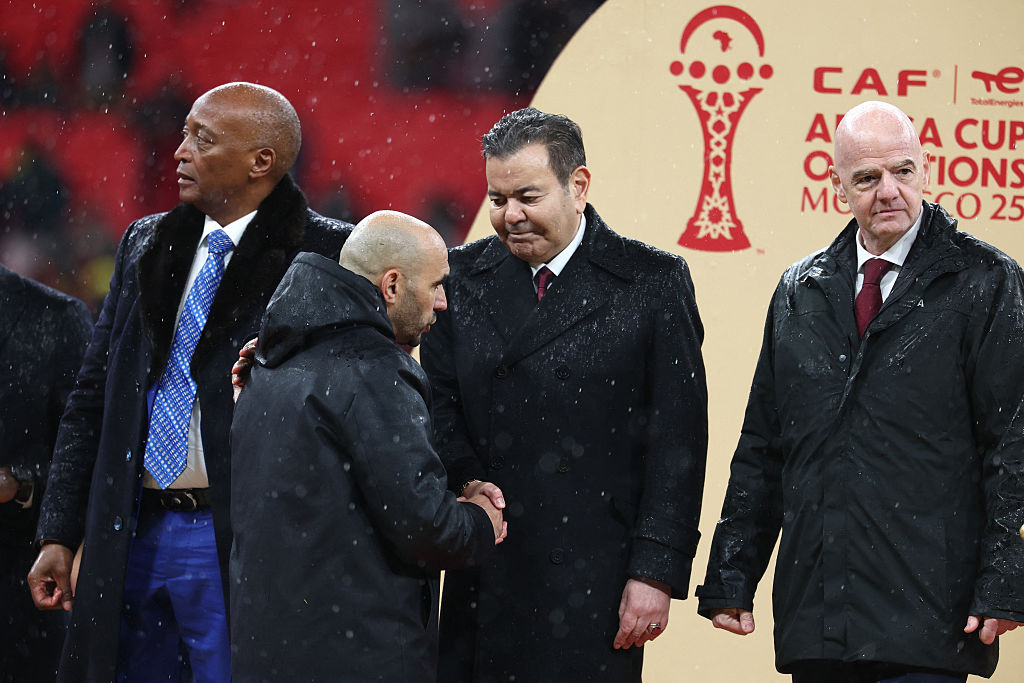
Yes, the 2025 Africa Cup of Nations (AFCON) had its flaws with controversial officiating but none of that changes the bigger truth that Morocco staged a tournament that celebrated African football.
The 2025 Africa Cup of Nations (AFCON) will be remembered as one of the finest editions in the tournament’s long and proud history.
The month-long football spectacle went far beyond goals and tactics as it became a celebration of African culture, unity, and sporting excellence.
From state-of-the-art infrastructure and seamless transportation to passionate crowds and unforgettable matches, AFCON 2025 reaffirmed why the competition remains one of the most compelling international tournaments in world football.
Despite late controversy surrounding the final, the overall success of the tournament should not be overshadowed. Instead, Morocco’s hosting has set a new benchmark for African football and reinforced AFCON’s growing global relevance.
AFCON 2025 transcended football
It was a cultural festival as six historical Moroccan cities hosted 24 African nations, welcoming fans from across the continent and the global African diaspora.
Cities such as Rabat, Casablanca, Marrakech, Fez, Tangier, and Agadir came alive with music, colour, and celebration.
Stadiums were packed, fan zones buzzed with activity, and local businesses flourished as visitors immersed themselves in Moroccan hospitality.
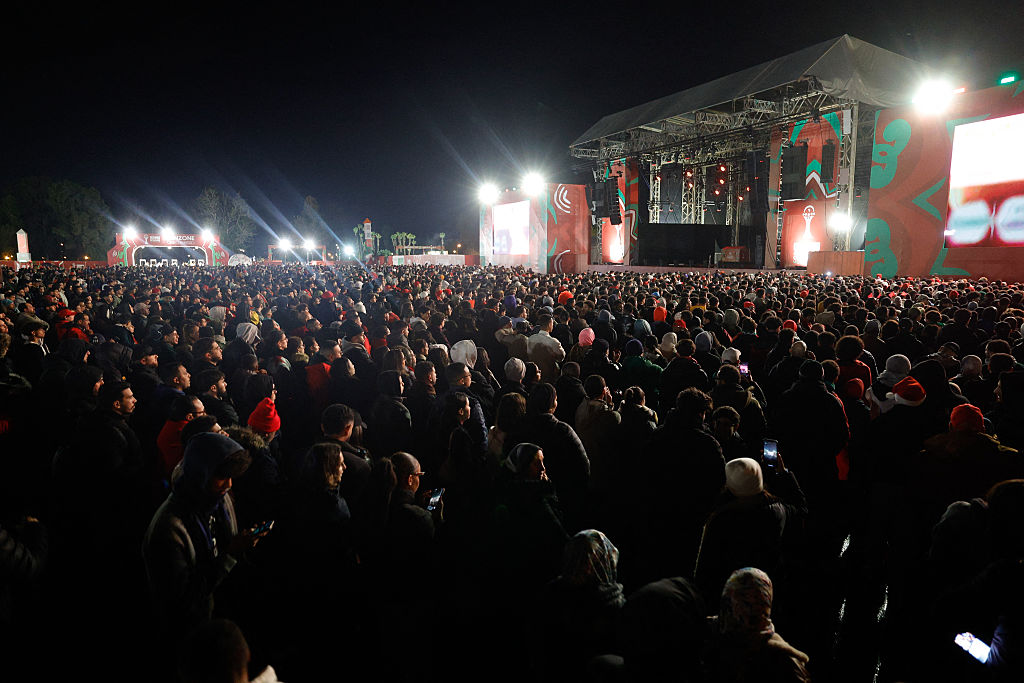
What stood out most was how seamlessly Morocco combined football with cultural identity, from traditional cuisine to music and street festivals, AFCON 2025 felt like a showcase of African pride, not just a sporting competition.
A new standard for African development
One of the most impressive aspects of AFCON 2025 was Morocco’s infrastructure and they demonstrated why they are viewed as one of Africa’s most capable sporting hosts.
The rail network connecting Fez, Rabat, Casablanca, and Marrakech made travel between host cities efficient and affordable.
Fans could attend matches in different cities without the logistical chaos that has plagued previous tournaments.
Even cities like Tangier and Agadir, though geographically distant, were well integrated into the tournament thanks to Morocco’s modern transport system.
At the heart of Morocco’s footballing vision lies the Mohamed VI Football Complex, a facility widely regarded as one of the best training centres in the world with 10 world-class training pitches amongst other facilities.
It was no surprise that Nigeria midfielder Alex Iwobi, a former England youth international, compared the Mohamed VI Complex to England’s St George’s Park in Staffordshire.
In addition, the complex served as a blueprint for how African football infrastructure should be developed and it is no exaggeration to conclude that Morocco delivered an organisational standard comparable to major FIFA tournaments.
African football excellence takes centre stage
Back to the pitch, the 2025 Africa Cup of Nations delivered thrilling football action from start to finish, with Morocco waiting until the second half to score two goals against Comoros and Senegal’s hard-fought win against the hosts in the final game.
With four African coaches – Walid Regragui (Morocco), Pape Thiaw (Senegal), Eric Chelle (Nigeria), and Hossam Hassan (Egypt)- guiding their teams into the last four, the tournament showcased Africa’s tactical sophistication, depth of talent, and competitive balance.
A total of 121 goals were scored in the tournament which further asserted the rise of the continent’s explosive forwards like Brahim Diaz, Victor Osimhen, Mohamed Salah, Amad Diallo, Ademola Lookman and Sadio Mane.
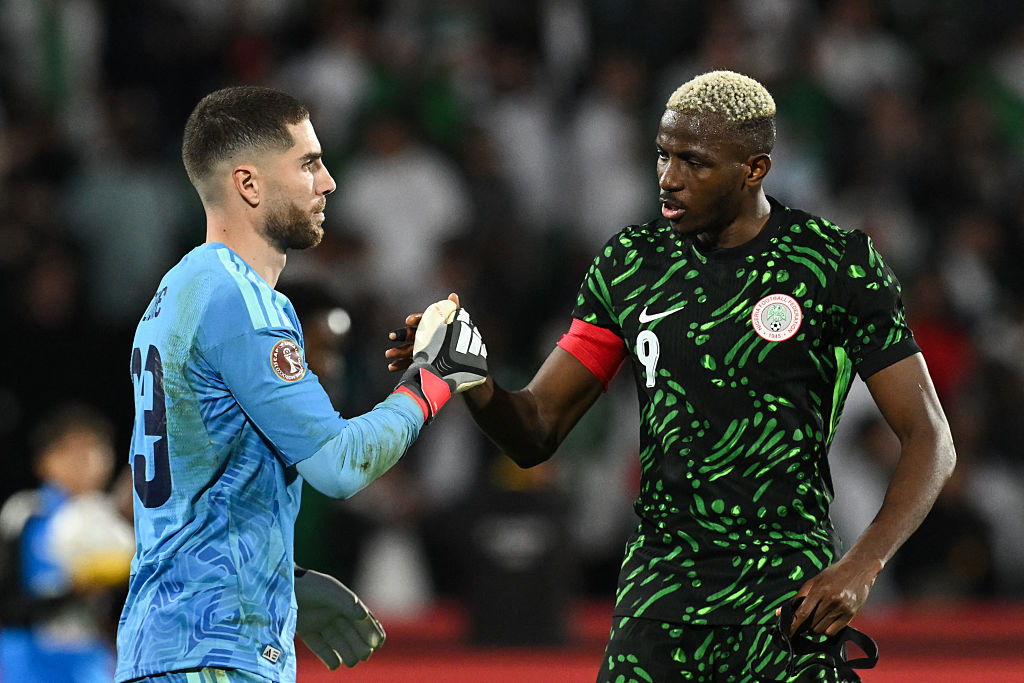
Similarly, the impact of goalkeepers who showed the world that they can’t be ignored, from Edouard Mendy who made a historic penalty save in Sunday’s final to Stanley Nwabali who made two penalty saves in the third-place match against Egypt and Yassine Bounou’s brilliance as the tournament’s best shot-stopper.
AFCON 2025 shouldn’t be defined by final stain
Several irregularities marred Sunday’s final match between Senegal and Morocco at the Prince Moulaye Abdellah Stadium but it would be grossly unfair to allow these moments define the success of the 35th edition of the Africa Cup of Nations.
In comparison to the World Cup, the Euros and the UEFA Champions League, there have been controversial finals but the controversial incidents do not erase weeks of planning, world-class action and fans’ unity.
Sunday’s events – the controversial disallowed Senegal goal and the disputed penalty call – should prompt a deeper reflection and better officiating standards, and not overshadow Morocco’s organisational success.


Down Arrow Button Icon

‘Hannah Montana’ Was Not Inspired by ‘Lizzie McGuire,’ Show Creator Says

James Uthmeier issues opinion that municipalities can’t force businesses to have shopping cart container plans
-

 Politics9 years ago
Congress rolls out ‘Better Deal,’ new economic agenda
-
Entertainment9 years ago
New Season 8 Walking Dead trailer flashes forward in time
-
Politics9 years ago
Poll: Virginia governor’s race in dead heat
-
Politics9 years ago
Illinois’ financial crisis could bring the state to a halt
-
Entertainment9 years ago
The final 6 ‘Game of Thrones’ episodes might feel like a full season
-
Entertainment9 years ago
Meet Superman’s grandfather in new trailer for Krypton
-
Business9 years ago
6 Stunning new co-working spaces around the globe
-
Tech9 years ago
Hulu hires Google marketing veteran Kelly Campbell as CMO