
Politics
While St. Pete Beach residents were locked out after Hurricane Helene, the Mayor was already having repairs done

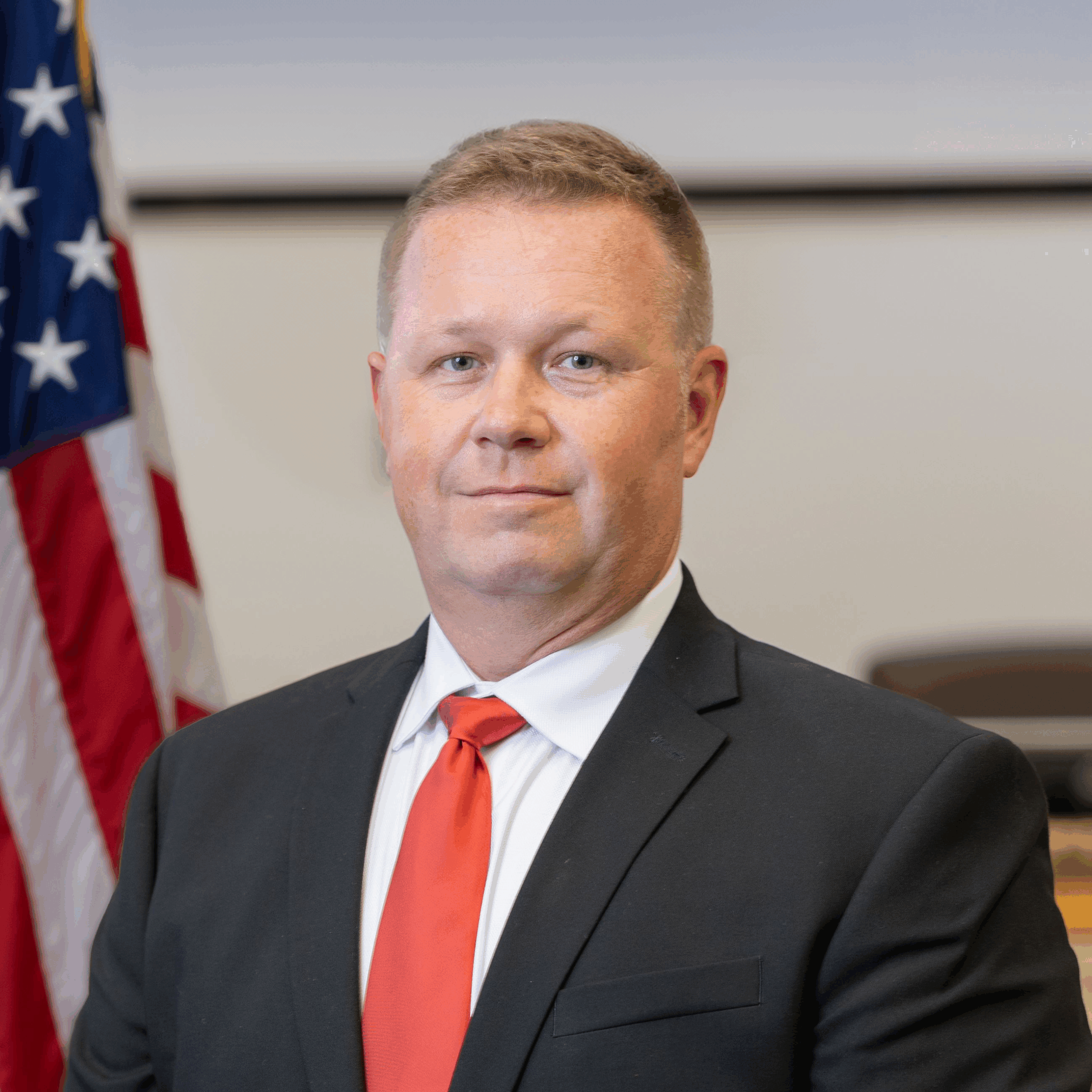
One day after Hurricane Helene skirted past the Tampa Bay area on Sept. 26, 2024, leaving devastating flooding, St. Pete Beach residents were still blocked from returning to their homes to survey damage, as crews worked to ensure it was safe to return.
Yet even as residents grew anxious to see what remained of their homes and communities, St. Pete Beach Mayor Adrian Petrila was already on the island and, it appears, already taking steps to repair his flooded home.
On Sept. 27, 2024, the city of St. Pete Beach posted a warning on Facebook informing residents that access points to the local barrier islands “remain closed today” as “crews from the county and impacted municipalities continue to work on clearing impassable roadways, removing dangerous debris, restoring power, and addressing other infrastructure issues including returning power to our sanitary sewer system.”
The post went on to caution residents that they “should plan to spend multiple days away from their houses.”
That same day, a local resident who had remained on the island to weather the storm captured video at Petrila’s home of what appears to be crews bringing in fans to dry flood areas.
Donna Miller had stayed on the island with a neighbor — a decision she said many residents made after weathering numerous storms without much damage and with no risks to safety. This time was different, as flooding impacted much of the island, leaving homes badly damaged.
She told Florida Politics that she and others who had stayed behind were unable to obtain water, food or other supplies as the barrier islands remained closed because they were told they could leave the island, but would not be able to return until access was restored. Not wanting to miss out on time to address flood damage, many continued to stay.
Instead, Miller and a friend hopped in her car to check on other neighbors. In doing so, they came across Petrila’s home, where video Miller took shows a crew carrying several large fans into the home. The video is just 10 seconds long, but Petrila’s address is visible in the footage and metadata on the video confirms it was taken the day after the hurricane. Petrila is also visible in the garage.
Miller said she stopped filming to confront the homeowner. Said she didn’t realize it was the Mayor until after the confrontation.
Miller told Florida Politics that during the interaction, she asked Petrila, “How is it that you have workers cleaning out your house when people need food and supplies?”

He responded, according to Miller, that the men had already been on the island, a claim Miller said she doubts.
“It seemed like he played the Mayor card to get them in,” she said.
Florida Politics reached out to Petrila on Monday via his city email asking about the video. The email included questions about how workers were able to bring supplies to his house. As of Wednesday, he had still not responded.
Miller, meanwhile, has sent letters to the Pinellas County Sheriff’s Office and to U.S. Rep. Anna Paulina Luna complaining about what she perceived as Petrila misusing his authority as Mayor for personal benefit.
“A Mayor who puts himself before the people needs to find another career,” Miller told Florida Politics. “What he did was horrible. Instead of getting trucks on the island with emergency supplies, he got blowers and workers on the island.”
Petrila, a Republican, is up for re-election this year. He faces fellow Republican Scott Tate in what is expected to be a tight race. Petrila is the top fundraiser in the race, but only barely. Tate has nearly matched Petrila’s fundraising, with new fourth-quarter totals showing he has brought in just over $14,000, only $1,300 less than Petrila.
The tighter-than-usual fundraising in a beach town election cycle that is more often than not a quiet affair comes as Petrila faces criticism for proposing to impose tolls at the north, central and southern access points to the island to fund ongoing infrastructure repairs and improvements following back-to-back hurricanes in 2024 that devastated the island.
Despite his plan exempting residents, employees and business owners, it has been controversial, with some worrying such tolls would reduce tourism and other revenue-generating traffic on St. Pete Beach.
And Petrila, like neighboring St. Petersburg Mayor Ken Welch, who is also facing intraparty opposition for his re-election, is also earning resident frustration over a permitting backlog following the hurricanes that is ongoing as residents continue to rebuild. While Tate has not directly weighed in on the tolling issue, he has lamented that the permitting red tape is a failure of leadership.
Petrila is facing his first re-election contest after first being elected in 2023, when he unseated then-incumbent Alan Johnson.
The St. Pete Beach municipal election is March 10.
Politics
Parents of trans children urge compassion, not humiliation, in Florida’s schools, doctor’s offices and government halls

Juan Dominguez feared for his child Kai entering a deep depression, angry at the world, before a doctor finally provided a diagnosis of gender dysphoria. The father knew little about transgender identity at the time, but saw an immediate turnaround once Kai was treated.
But as Florida implemented new laws restricting medical professionals from providing gender-affirming care to minors, that doctor can no longer provide care, nor can any other in the state.
“The doctor that helped us identify Kai’s condition can no longer see us. We are not allowed to be open with other doctors because they won’t accept our child in their clinics,” Domingue said. “Doctors spend years studying the research. They know their patients. Medical decisions belong with families and doctors, not politicians.”
Dominguez was one of several parents to speak Wednesday at an Equality Florida press conference in Tallahassee, condemning a new round of laws aimed at LGBTQ Floridians. Parents of transgender children said their children have been humiliated in school, denied care and silenced repeatedly for any objection to what they say are draconian laws.
Equality Florida Executive Director Stratton Pollitzer said this follows a trend of attacks, ones that too often originate from Gov. Ron DeSantis’ Office.
“Let’s understand why DeSantis and this small band of his cronies are so obsessed with attacking the LGBTQ community,” Pollitzer said.
“These bills are smoke bombs meant to distract Floridians from the complete failure of Ron DeSantis and his allies to address the real crises Floridians are facing: lack of affordability, a housing emergency, and skyrocketing insurance costs.”
The press conference called out legislation, including one dubbed by critics as the “Don’t Say Gay or Trans at Work” bill threatening funding from organizations holding LGBTQ sensitivity training. Activists also took the state to task for many bills passed in prior years, most in a stretch before DeSantis’ ultimately failed run for President.
Those included bans on transgender students in women’s sports, restrictions on medical care being provided to minors and coverage to adults, and the state’s notorious “Parental Rights in Education” law barring any instruction on gender identity or sexual orientation through high school, a prohibition that includes outlawing the use of preferred pronouns or nicknames by school faculty and staff.
Luisa Montoya, President of PFLAG Broward, said she was upset she could not even register her trans son in school with his preferred name.

“Because of this, my child was repeatedly called by his birth name in front of other students. Sometimes it happened in the classroom, sometimes in the hallway. And once, it even happened over the school megaphone,” Montoya said.
“I will never forget the look on my child’s face. That moment reminded me why I fight. Because school should be a place of learning and safety — not fear or humiliation.”
Jennifer Solomon, head of Equality Florida’s Parenting with Pride program, stressed that LGBTQ families deserve representation in Tallahassee. And she said parents are one group that won’t be silenced.
“Look around. These parents are not here as strangers. They are your neighbors, your colleagues, your friends. Every one of them has a child they cherish and a story they want to be heard,” Solomon said.
“This fight is not abstract. It is deeply personal. I live it every day — in every choice I make, in every conversation I have about the future of Florida, and in every moment I stand beside families who are facing these threats with courage and love.”
Pollitzer said he was heartened in recent Legislative Sessions when, despite anti-LGBTQ legislation being filed and occasionally heard in committee, few bills have passed.
“Last year we saw a growing number of legislators refuse to waste more time on these awful bills and with people power we defeated all of them,” he said.
“We hope that with real challenges facing everyday Floridians lawmakers will again refuse to prioritize DeSantis’s agenda of more censorship, surveillance, and government control. But hope does not mean silence. And it does not mean standing down.”

A Senate committee advanced a bill to create an artificial intelligence bill of rights aiming to protect consumers and minors.
With unanimous bipartisan support, the Senate Commerce and Tourism Committee backed Sen. Tom Leek’s bill (SB 482).
“Quite simply, we get a 60-day Session once a year. If we don’t act and Congress doesn’t act, those protections won’t exist for Florida’s children and vulnerable adults,” Leek, a Port Orange Republican, told lawmakers before the 10-0 vote Wednesday. “So I believe we have to act.”
Wednesday’s vote was the bill’s first committee stop to support Gov. Ron DeSantis’ agenda as the measure heads next to the Senate Appropriations Committee.
DeSantis has increasingly been calling for more regulation to protect young people from the dangers of AI technology. But President Donald Trump has also been critical of states passing AI reforms and signed an executive order in December aimed at restricting states from overregulating the technology.
Leek argued that his bill doesn’t defy Trump’s order.
“I think the protections that we’ve got here for minors and for vulnerable adults, and for all of us really, are in line with what President Trump wants,” Leek said during Wednesday’s hearing.
Leek argued Trump was striking back against “onerous restrictions,” while his bill was specifically focused on consumer protections.
“It is purposely and deliberately targeted at those protections and not … the universe of things that could be done,” Leek said.
Under Leek’s bill, chatbot platforms would be required to post pop-up warnings that a person is talking to AI. The message would appear at the start of the conversation and reappear at least every hour.

Children would not be allowed to communicate with chatbots without parental permission. Parents would have control to see their child’s communications with the chatbot and could also limit access or delete the child’s account.
The bill would also require minors to be reminded to “take a break” at least once every hour.
Chatbot platform operators that violate the proposed new rules could face civil fines up to $50,000 per violation.
The AI bill of rights legislation comes after a 14-year-old Orlando boy killed himself in 2024 after he had been chatting with an AI bot extensively. Some of the conversations turned sexual and romantic. The family later sued in a case that got national coverage by The New York Times.
“Artificial intelligence, holding a great deal of promise, also poses novel and unique threats. Generative AI in particular can be particularly insidious in some contexts when used by children or unsuspecting or vulnerable or adults,” Leek said at Wednesday’s hearing.
“Given the incredible pace of the evolution of the technology and its adoption by business and academia, it is incumbent on us to protect Floridians for some of its problematic results.”
Several advocates and Democrats praised the bill, while also arguing there was room for improvement in Leek’s legislation.
“We would like to be a part of the conversation,” said Florida AFL-CIO lobbyist Rich Templin. “This is a great consumer protection beginning, but what about workers?”
And Turner Loesel, a technology policy analyst at the James Madison Institute, warned that the bill’s language needed to be tweaked, which Leek teased is coming. Leek said he is still working with stakeholders to tighten the bill’s definitions.
“Its definition of artificial intelligence is broad enough to capture spam filters alongside companion chatbot platforms, and we look forward to the amendments on that definition,” Loesel said.
Sen. Carlos Guillermo Smith, an Orlando Democrat, called the bill a good first step but also agreed the legislation could be beefed up.
“We need meaningful accountability in the bill. Floridians deserve more than promises. They deserve proof. That means compliance reporting and audits that show companies are actually protecting biometric data, that they’re preventing misuse, and that they’re operating transparently,” Smith said.
“I think relying solely on political actors in the Office of the Attorney General for enforcement is not enough. To stop harmful conduct, I think we need stronger civil protections, including a private cause of action for all ages to defend all of our rights that are outlined in this AI bill of rights.”



Trump tones down escalating Greenland rhetoric in Davos

Kim Kardashian Praises Taylor Swift as ‘Super Talented’ Despite Infamous Beef

Parents of trans children urge compassion, not humiliation, in Florida’s schools, doctor’s offices and government halls
-

 Politics8 years ago
Congress rolls out ‘Better Deal,’ new economic agenda
-
Entertainment9 years ago
New Season 8 Walking Dead trailer flashes forward in time
-
Politics9 years ago
Poll: Virginia governor’s race in dead heat
-
Politics9 years ago
Illinois’ financial crisis could bring the state to a halt
-
Entertainment9 years ago
The final 6 ‘Game of Thrones’ episodes might feel like a full season
-
Entertainment9 years ago
Meet Superman’s grandfather in new trailer for Krypton
-
Business9 years ago
6 Stunning new co-working spaces around the globe
-
Tech8 years ago
Hulu hires Google marketing veteran Kelly Campbell as CMO