
Politics
With sextortion and suicides on the rise, Jimmy Patronis seeks to strip Big Tech of Section 230 immunity

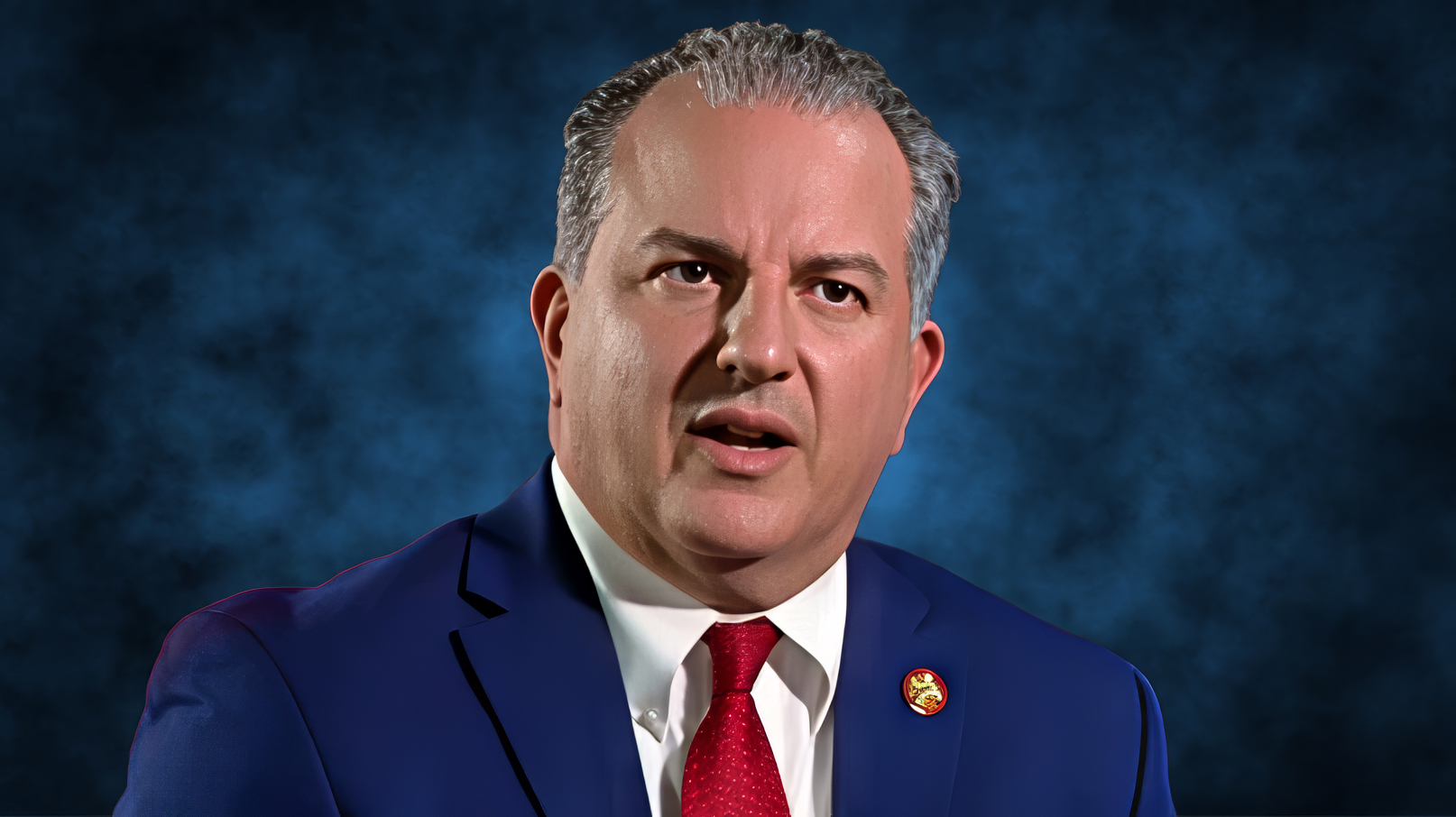
U.S. Rep. Jimmy Patronis says it’s time to take major legal protections away from Big Tech firms, citing the dangers of online child exploitation.
The Fort Walton Beach Republican wants to repeal Section 230, a controversial portion of the Communications Decency Act that shields companies from lawsuits related to criminal activity using their social media platforms to communicate.
The Promoting Responsible Online Technology and Ensuring Consumer Trust (PROTECT) Act would delete those protections in federal law.
“As a father of two young boys, I refuse to stand by while Big Tech poisons our kids without consequence,” Patronis said.
“This is the only industry in America that can knowingly harm children, some with deadly consequences, and walk away without responsibility. Big Tech is digital fentanyl that is slowly killing our kids, pushing parents to the sidelines, acting as therapists, and replacing relationships with our family and friends. This must stop.”
Section 230 treats social media companies differently than, say, a news publication. For instance, whereas news outlets can be held liable for defamatory comments made on their platform, social media companies are not held liable for remarks made by users, save a few exceptions. Only the user (or possibly others who share false claims) would be liable for defamation in this example, not the tech platform where the remark is posted.
Proponents of Section 230 argue that without it, social media companies would be dissuaded from launching or operating in the first place. Opponents, however, say the protections too easily allow illegal conduct to spread online.
The U.S. Supreme Court in two 2024 rulings upheld Section 230 when prosecutors sought to prosecute companies under anti-terrorism laws.
In December, a Pennsylvania family sued Meta after the death by suicide of a teenager being blackmailed using an Instagram account, as reported by NBC News. That’s a case of an increasingly common crime known as “sextortion.”
“It is time for parents to stand up and fight back against these tech giants. The dark forces of social media and tech evolve faster than any parent can screen or detect, even with the best skills,” Patronis said.

“It is time we demand accountability for declining mental health in minors and the increase in suicide and self-harm. These are minor children who are getting hurt. If a billboard or TV channel couldn’t publish bullying or violent materials without liability, why can big tech? Let’s end the double standard.”
The legislation will likely face resistance from tech companies increasingly involved in federal lobbying. The Electronic Frontier Foundation, a technology advocate, has defended Section 230 protections, arguing social media platforms were a platform for communication and should not be held responsible for what criminals say.
“Section 230 embodies that principle that we should all be responsible for our own actions and statements online, but generally not those of others,” an EFF website page on the topic states. “The law prevents most civil suits against users or services that are based on what others say.”
Patronis pointed at programming pushing content on children in their social media feeds, and sometimes generating it with artificial intelligence tools. Families are suing over chatbots that allegedly told teenagers to commit suicide, as reported by NPR. Patronis also said algorithms have pushed content contributing to depression, eating disorders and drug addiction.
“These companies design their platforms to hook children, exploit their vulnerability and keep them scrolling no matter the cost,” Patronis said.
“When children are told by an algorithm, or a chatbot, that the world would be better without them, and no one is being held responsible, something is deeply broken. I bet they would actually self-police their sticky apps and technologies if they knew they would have to pay big without the Big Tech Liability Protection of Section 230.”
Politics
Jason Shoaf will seek re-election to Legislature, sit out race to succeed Neal Dunn in Congress
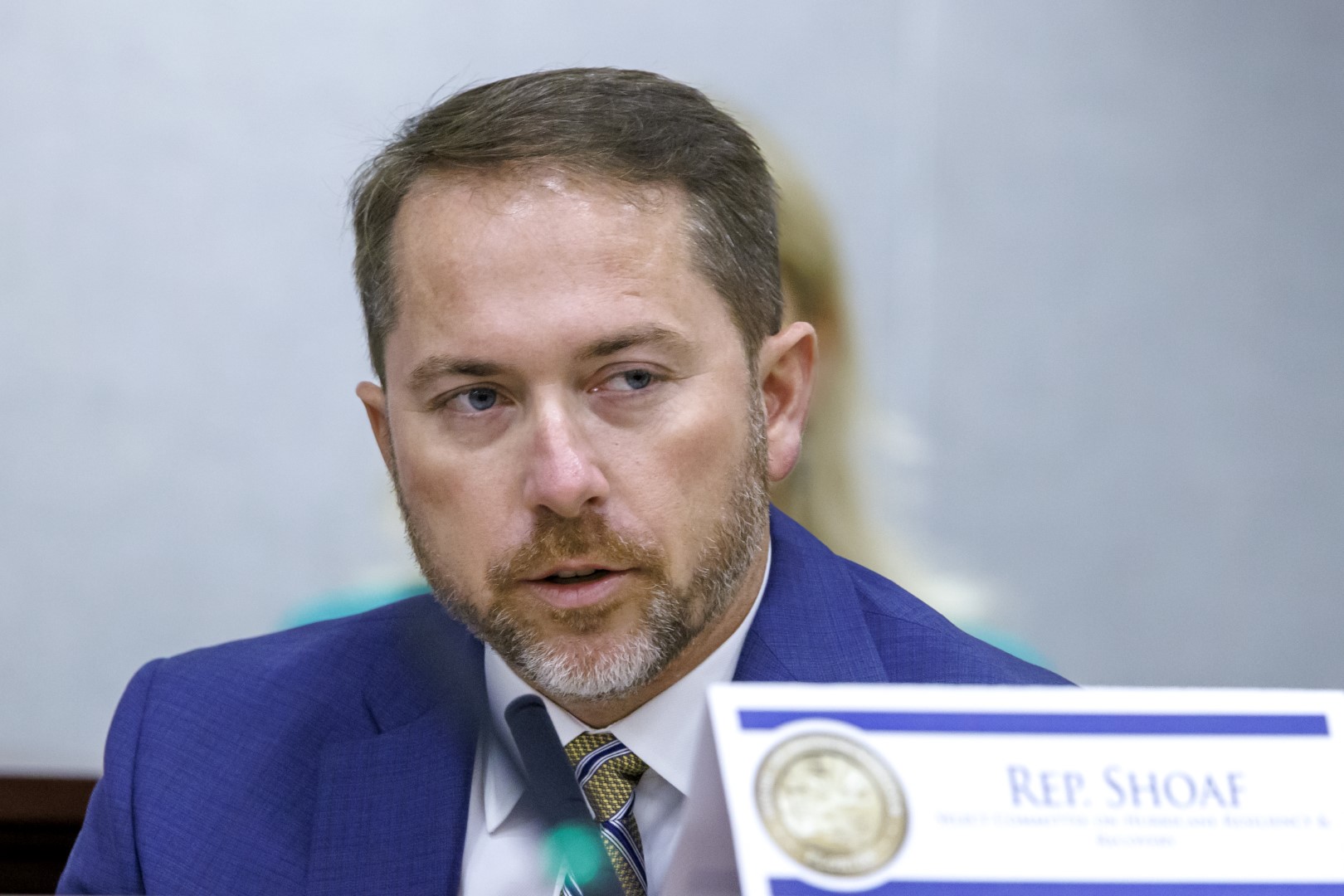
The Port St. Joe Republican plans to remain in the Florida House through 2028.
State Rep. Jason Shoaf says he will not run to succeed U.S. Rep. Neal Dunn.
“I am fully focused on serving the people of North Florida in the Florida House of Representatives, and I am committed to fulfill my term through 2028,” Shoaf said.
The Port St. Joe Republican first won his legislative seat in a Special Election in 2019. Term limits will not prohibit him seeking re-election this year.
He shot down rumors he may run for Congress two days after Dunn, Panama City Republican serving his fifth term in the House, announced his retirement at the end of this Congress.
Shoaf said he feels he can best serve his community by remaining in the Florida Legislature as a senior member. He currently serves the Transportation & Economic Development Budget Subcommittee. Shoaf remains the only candidate filed in House District 7.
“I believe this next two years in my current role is my greatest chance to make the most meaningful impact delivering real results for our communities, strengthening our economy and defending the values that make North Florida such a special place to call home,” Shoaf said.
Other candidates already in the race for Florida’s 2nd Congressional District include Republican Party of Florida Chair Evan Power and former U.S. Senate candidate Keith Gross. But speculation has swirled significantly this week about whether other Republicans in the region will run for the seat now that it’s open.
CD 2, which covers parts of the Panhandle and Big Bend, currently leans comfortably Republican.
Dunn easily won re-election in 2024 over Democrat Yen Bailey with about 61.7% of the vote. More than 58.5% of voters there supported Republican Donald Trump over Democrat Kamala Harris for President, according to MCI Maps, and more than 60% of voters backed GOP U.S. Sen. Rick Scott’s re-election.
Notably, Republican leaders in Tallahassee say they intend to redraw congressional districts ahead of the 2026 Midterms.

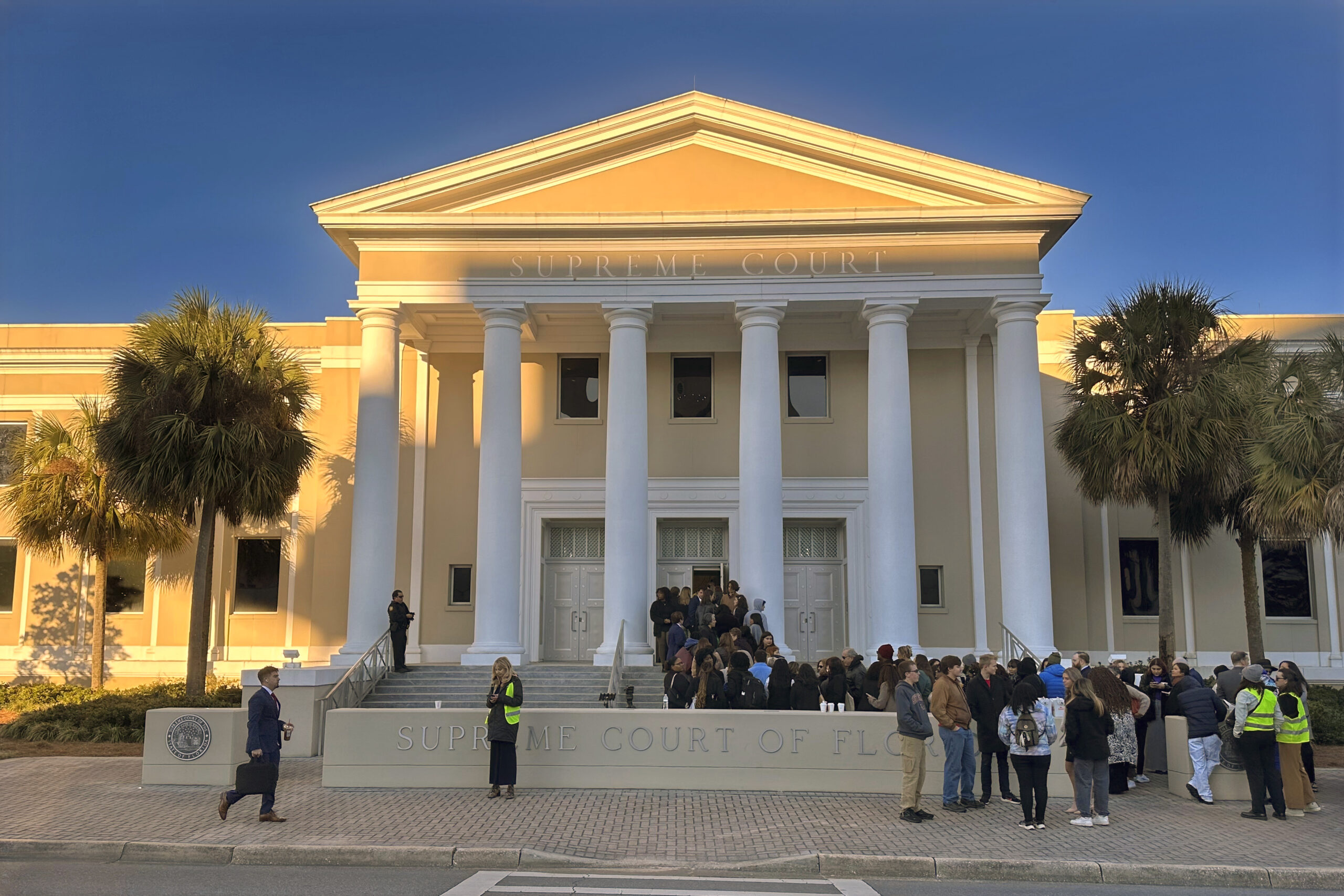
Aspiring lawyers may soon have more paths to a legal career.
In a 5-1 decision, the Florida Supreme Court amended its rule making the American Bar Association (ABA) “the sole accrediting agency for law schools whose graduates are eligible to sit for this state’s General Bar Examination.”
The revision will “expand the accrediting agencies by which a law school may be approved or provisionally approved” to allow law school graduates to take the Bar.
The opinion, which follows the lead of Texas, was issued after Gov. Ron DeSantis and Attorney General James Uthmeier called for alternative accreditors, with the former taking issue with the ABA’s “progressive agenda” and the latter criticizing the organization as “woke” and accusing it of discriminating against Catholics.
“Mission accomplished,” exulted Jason Weida, Chief of Staff for the Governor.
The high court started a workgroup last year to explore alternatives to the ABA given its perceived political stances and “accreditation standards on racial and ethnic diversity in law schools,” with an eye toward trying to “reduce Florida’s near-exclusive reliance on the ABA while promoting greater flexibility and innovation in legal education.”
That study provided the framework for the rule revision.
“Based on its independent study and its consideration of the workgroup’s report, the Court is persuaded that it is not in Floridians’ best interest for the ABA to be the sole gatekeeper deciding which law schools’ graduates are eligible to sit for the state’s General Bar Examination and become licensed attorneys in Florida,” reads the opinion, which was led by Chief Justice Carlos Muñiz, with Justices John Couriel, Jamie Grosshans, Renatha Francis and Meredith Sasso concurring.
“Instead, the rule changes create the opportunity for additional entities to carry out an accrediting and gatekeeping function on behalf of the Court.”
The revised rule opens the door “to a programmatic accrediting agency recognized by the United States Department of Education to accredit programs in legal education that lead to the first professional degree in law or an institutional accrediting agency recognized by the United States Department of Education to accredit institutions of higher education, provided the institutional accrediting agency is also approved by the Court.”
In a dissent, Justice Jorge Labarga worried about “detrimental” consequences for “replacing an established entity with an unknown alternative.”


Children of property-rich parents get offered the best jobs—and new research has revealed why

TMZ Streaming Live, Come Into Our Newsroom and Watch Things Happen!

Skincare brand Genaura promotes marketer Young to MD
-

 Politics8 years ago
Congress rolls out ‘Better Deal,’ new economic agenda
-
Entertainment8 years ago
New Season 8 Walking Dead trailer flashes forward in time
-
Politics9 years ago
Poll: Virginia governor’s race in dead heat
-
Politics8 years ago
Illinois’ financial crisis could bring the state to a halt
-
Entertainment8 years ago
The final 6 ‘Game of Thrones’ episodes might feel like a full season
-
Entertainment8 years ago
Meet Superman’s grandfather in new trailer for Krypton
-
Business8 years ago
6 Stunning new co-working spaces around the globe
-
Tech8 years ago
Hulu hires Google marketing veteran Kelly Campbell as CMO