
Politics
Julia Canady King promoted to VP at BGR Group



Could you imagine running a business in 2026 while charging 2008 prices?
While that might be a dream for consumers, the reality is that the business would quickly fail, as labor and operating costs have risen dramatically since 2008.
For example, the state minimum wage was $6.79 per hour in 2008; on September 30, 2025, it increased to $14.00 and will rise to $15.00 on September 30, 2026. These labor cost increases have rippled across Florida’s economy as employers have grappled with higher pay for all employees.
While businesses can pass these costs on to consumers through higher prices, Florida’s Clerks of Court cannot.
Court fines and fees have been fixed in statute since 2008. As a result, a court filing costs the same today as it did then, even though the labor required to manage a case has nearly tripled. As President of our statewide association, Florida Court Clerks & Comptrollers, I see firsthand how Clerks struggle to meet the demands of increasingly complex offices with a shrinking proportional budget.

One way Clerks have addressed this gap is by leveraging technology to improve efficiency. Over the years, Clerks have implemented enhanced in-person and jury management services through digital check-in systems, launched online self-help centers to help users navigate the courts, and expanded online access to records and application processes. Clerks also developed the nationally recognized E-Filing Portal, which has become a model for court systems across the United States.
In addition, Clerk offices provide access to data that supports critical electronic notification systems, including E-Notify for upcoming court events, domestic violence injunction text updates for court rulings, and property fraud alert notifications. These enhancements have modernized operations and delivered cutting-edge support to Floridians from Key West to Pensacola.
While these improvements have helped Clerks do more with less, the work still requires teams of dedicated, highly trained public service professionals. Make no mistake, this work is mission-critical 100% of the time. Clerks help administer justice, resolve disputes, finalize adoptions, and ensure vulnerable individuals receive protective orders.
Most Clerks also serve as county comptrollers and official recorders, ensuring county bills are paid, road projects are funded, annual audits are completed, and marriage licenses, deeds, and other important documents are properly recorded and secured. It is a significant responsibility, and we are humbled and honored to serve our residents and stakeholders.
In reviewing this year’s operational needs, the Florida Clerks of Court Operations Corporation (CCOC) identified a $75 million funding gap between the cost of operating Clerks’ offices and the revenue available to support them. This Legislative Session, Clerks across the state are asking lawmakers for support to address this shortfall by:

— Adjusting outdated fees and service charges to reflect today’s dollars through application of the Consumer Price Index;
— Allowing Clerks to retain more of the revenues they already collect; and
— Approving other sustainable revenue enhancements.
We are grateful for the continued support of the Legislature and the Governor’s Office as we work to fulfill our mission. This year, that partnership is reflected in our legislative priorities, beginning with Senate Bill 532, Court Fees, filed by Sen. Corey Simon and House Bill 759 by Rep. David Smith, and further supported by Senate Bill 1322 filed by Sen. Jonathan Martin and House Bill 925 by Rep. Dana Trabulsy. Together, these measures would go a long way toward addressing the funding shortfall and enabling Clerks to better serve their constituents.
___
Doug Chorvat Jr., CGCIO, CPM, serves as President of the Florida Court Clerks & Comptrollers, and is Hernando Clerk of the Circuit Court & Comptroller.
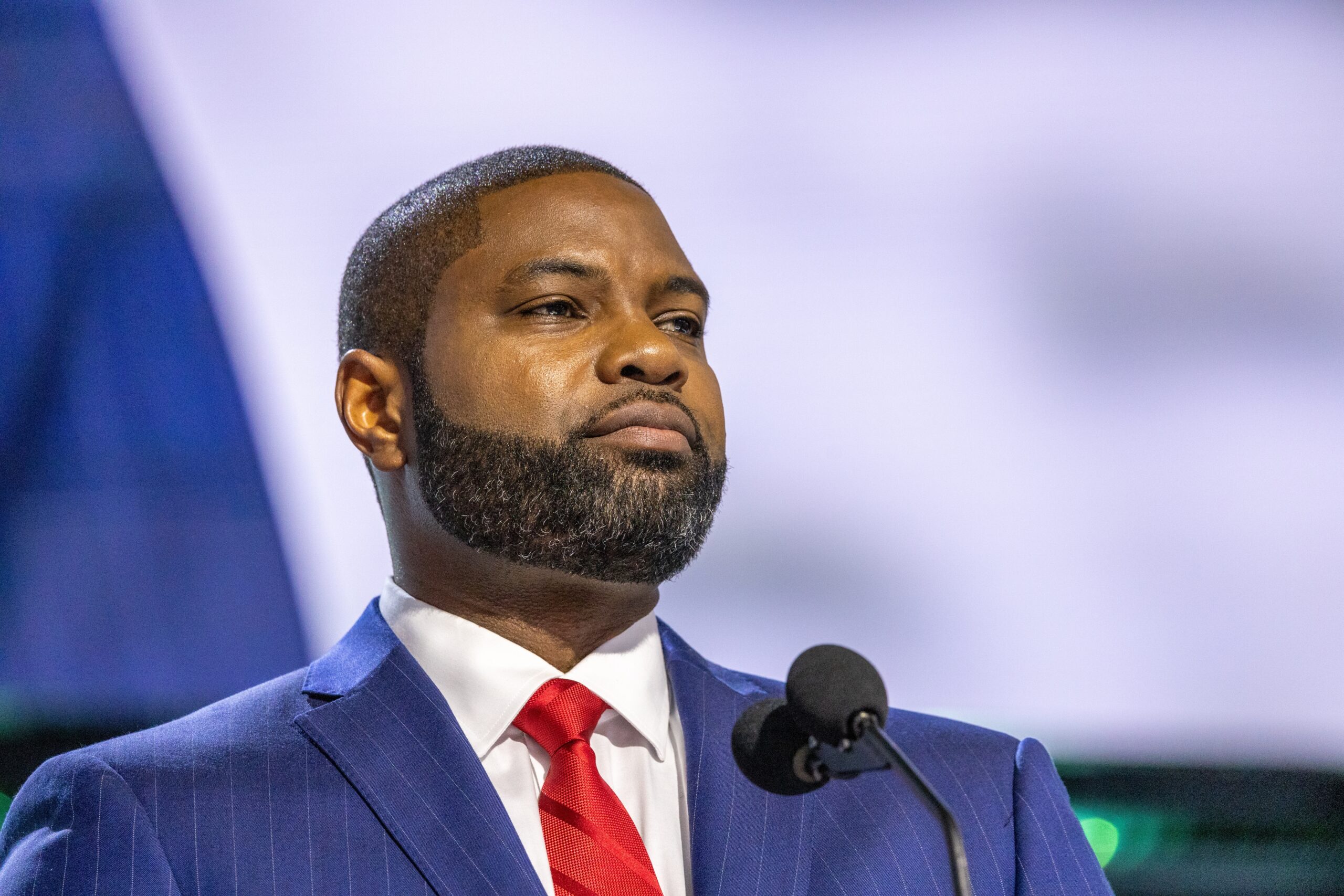
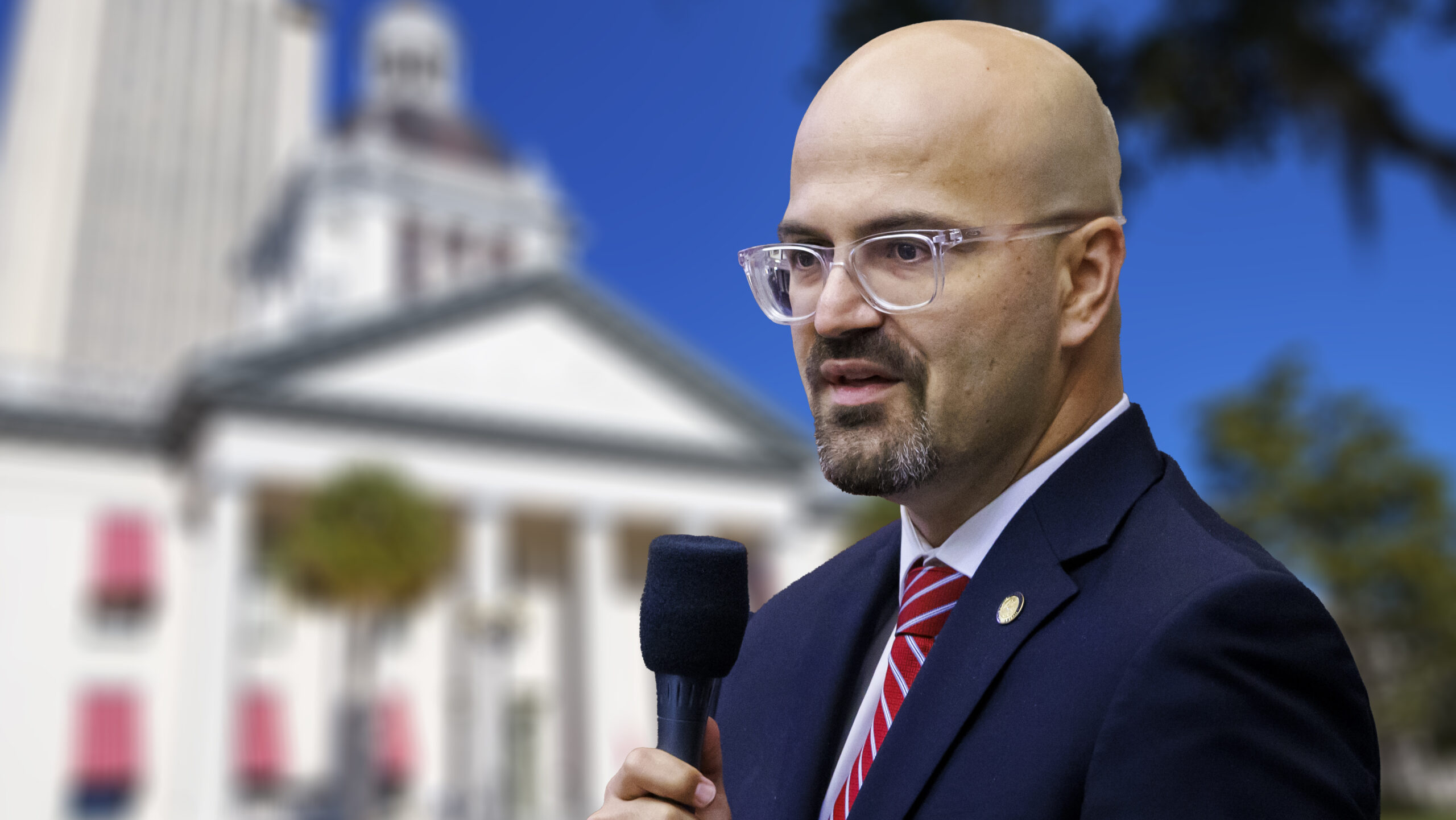
Miami Lakes Republican Rep. Tom Fabricio is bringing a package of policy proposals both new and familiar into the 2026 Legislative Session.
Some cover widely publicized issues, such as property taxes and affordability. Others center on more under-the-radar concerns, from red tape in day-to-day government transactions to a renewed push for what he calls constitutional clarity in Florida’s classrooms.”
“This Legislative Session will, yet again, be an opportunity to do the work of the people,” Fabricio said in a statement.
On affordability, Fabricio is carrying legislation (SB 1184, HB 6027) with Doral Republican Sen. Ana Maria Rodriguez to tighten rules around homestead portability, the system that lets many homeowners carry forward accumulated property tax savings when they move from one primary residence to another.
Fabricio described the measure as an attempt to match state law to the promise 64% of voters thought they were approving when they OK’d the provision in 2008. He called it a “technical fix.”
If passed, the measure would simply change references from an “immediate prior homestead” to a “prior homestead,” while keeping the same Save Our Homes portability calculation formulas and $500,000 cap.
That minor alteration would allow a homeowner’s portability calculation to be based on a previous qualifying homestead within an existing three-year window, rather than only the most recent homestead, which could help people who had an intervening non-homestead situation — like renting — to still transfer their Save Our Homes benefit.
“By tightening the rules around Homestead portability, this bill ensures that homeowners can actually carry their hard-earned property tax savings with them when they move, just as voters intended,” he said.
Fabricio is also pitching what he describes as a government-modernization bill targeting something most Floridians encounter far more often than tax policy: renewing their car registration.
He and Rodriguez also filed twin bills (SB 982, HB 841) to require renewals to be recorded electronically and eliminate the requirement for yellow registration decals to be placed on a vehicle’s license plate.

That small change, which Miami-Dade County Tax Collector Dariel Fernandez called for, is already policy in states like Connecticut, Pennsylvania and Vermont, and it’s estimated to save Miami-Dade alone $2.5 million yearly.
Fabricio said it’s an overdue departure from outdated processes.
“This legislative proposal … would overhaul and streamline an ancient technology by cutting outdated red tape,” he said, adding that the switch would improve government efficiency “while also saving taxpayers time and money.”
Another measure (SB 416, HB 115) Fabricio is again sponsoring with Miami Springs Republican Sen. Bryan Ávila would tackle a persistent problem in northwest Miami-Dade and southwest Broward: property damage due to limestone blast mining.
The two lawmakers have tried for years to give property owners a clear route to compensation when nearby quarry activities damage their homes, with little to no attention from leadership in the Legislature.
Taking note of this inaction, including a complete snubbing in both chambers last Session, Fabricio’s home city voted to sue Florida over the state’s ban on lawsuits against limestone mining operators.
Like its past iterations, this year’s version of the legislation would establish a path for compensation for residents whose homes sit within 3 miles of limestone quarries, while also setting standards for how claims are evaluated and paid.
It’s “about fairness,” Fabricio said.
“These repeat explosions have caused significant damage to South Florida properties,” he said, “and this bill will serve as a compromise to mining operations and relief for affected residents.”
Rounding out Fabricio’s priority slate is an education-focused proposal built around an explicit pledge to state and federal charters.
The bill (HB 147) would require teachers and administrative personnel in public schools — from prekindergarten to the college level — to take an oath to protect and defend the Florida Constitution and the U.S. Constitution.
Fabricio said the proposed mandate, which Jacksonville Republican Sen. Clay Yarborough is carrying in the upper chamber (SB 430), is meant to underscore the foundational role the documents play in civic life.
“Florida’s Constitution and the U.S. Constitution are the backbone of our republic,” he said. “It’s critical that those entrusted with educating our children respect and uphold the principles that define our nation and our state, and that they protect those constitutional values across classrooms in the Sunshine State.”
The 2026 Legislative Session began Tuesday and is scheduled to run until March 13.


IPO boom times are back, with SpaceX and OpenAI on investors’ 2026 wish list. But be careful what you buy

Kristy Scott Posts in Skin-Tight Dress After Filing for Divorce

Pitti Uomo 109: Antik Batik’s bohemian chic rebound
-

 Politics8 years ago
Congress rolls out ‘Better Deal,’ new economic agenda
-
Entertainment8 years ago
New Season 8 Walking Dead trailer flashes forward in time
-
Politics9 years ago
Poll: Virginia governor’s race in dead heat
-
Politics8 years ago
Illinois’ financial crisis could bring the state to a halt
-
Entertainment8 years ago
The final 6 ‘Game of Thrones’ episodes might feel like a full season
-
Entertainment8 years ago
Meet Superman’s grandfather in new trailer for Krypton
-
Business8 years ago
6 Stunning new co-working spaces around the globe
-
Tech8 years ago
Hulu hires Google marketing veteran Kelly Campbell as CMO