
Politics
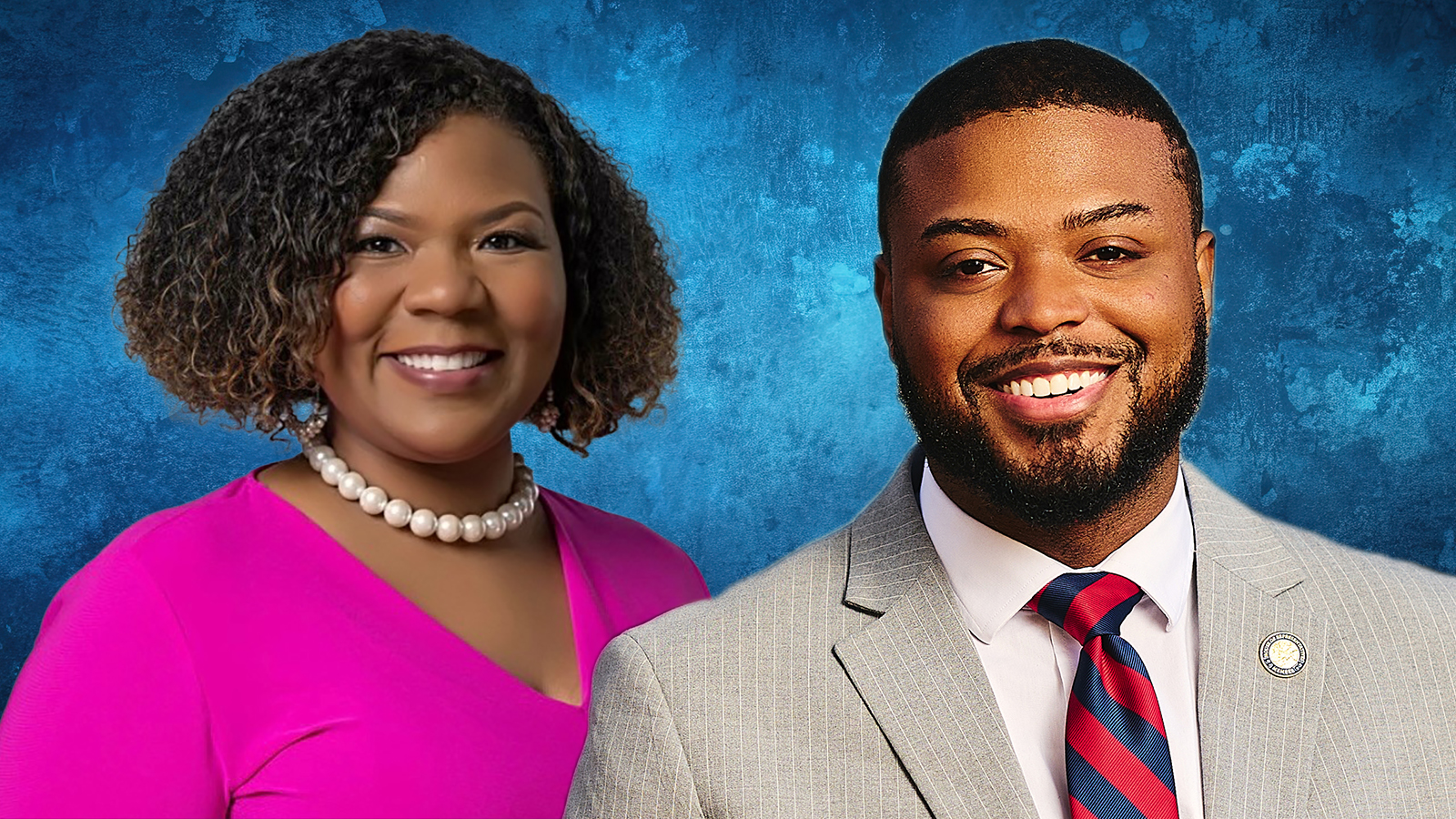
LaVon Bracy Davis, RaShon Young file bills to automatically register eligible Florida voters



For at least three quarters of a century, Florida has been the dream for many Americans as they plan to retire.
Every day, the Sunshine State gains hundreds of new residents from other parts of the country who have wrapped up their primary careers and are setting sail on a new phase of their lives. These new Floridians not only buoy our economy through their stable consumption patterns but also support our state through their tax dollars, volunteer service, civic engagement, and philanthropy. Many, in fact, become restless after a few months of rest and start new businesses or rejoin the workforce here.
In recent decades, as more people realize that Florida is not only a retirement destination but a dynamic and vibrant place to raise a family and build a career, a new question is emerging: Can Floridians afford to retire in their home state?
The answer depends on many factors, from housing costs to health care. But one of the most important drivers of retirement security deserves more attention: the ability to save for retirement while working.
Many Floridians are fortunate to have access to a traditional pension or a workplace retirement plan such as a 401(k) or 403(b), which allows workers to save automatically through payroll deduction. Yet that opportunity is far from universal. In fact, 59% of Florida’s private sector workforce, nearly 5 million people, work for an employer that offers neither a pension nor a retirement savings plan.
This gap is not due to any lack of good intentions. Florida’s economy is powered by small businesses, and many employers simply lack the time, resources, or expertise to offer retirement benefits even when they want to. As a result, millions of hardworking Floridians are left to save on their own, without the convenience, structure, or incentives that enable many Americans to save for the long term.
Helping workers save for retirement is not only good for individuals, but it also strengthens our entire state. Workers with access to payroll deduction retirement plans are significantly more likely to save. Small businesses gain a competitive edge when they can offer benefits that attract and retain talent. And taxpayers benefit when future retirees are better prepared to support themselves rather than relying heavily on safety-net programs.
The challenge before Florida is clear: how do we expand access to retirement savings without new taxes, burdensome mandates, or one-size-fits-all solutions?
That is exactly why Florida Senate Bill 930 and House Bill 1357 deserve broad, bipartisan support.
While these bills don’t create a program overnight, they create a Florida Retirement Savings Task Force within the Department of Commerce, bringing together experts in finance, labor economics, retirement policy, small business, workforce development, and consumer advocacy. The task force’s charge is simple and sensible: study the retirement savings coverage gaps in Florida, examine proven models from other states and the private sector, identify barriers, and develop thoughtful, data-driven recommendations.

Importantly, this effort is temporary, transparent, and non-binding. The task force has no authority to impose new mandates or costs on workers or employers. Members serve without compensation. In other words, SB 930 and HB 1357 represent good governance: gather facts, listen to stakeholders, understand fiscal impacts, and recommend informed decisions for Florida’s future.
Florida’s reputation as a great place to retire was built on generations of economic opportunity and careful stewardship. Ensuring that today’s workers can build their own retirement security is essential if we want that reputation to endure. As vehicles to begin the process to facilitate a clear path to long-term financial security for all Floridians, SB 930 and HB 1357 are worth supporting.
___
Jeff Johnson is the AARP Florida State Director.
Gubernatorial candidate James Fishback has lashed out at coverage of his campaign finance report, saying he raised more than the $950 his campaign originally reported during the final quarter of 2025 and blaming the media for getting it wrong.
“To be clear, we didn’t raise only $950. It was yet another lie by the fake news media to hurt our surging campaign,” he said.
The Republican candidate has finally provided proof that he raised more than $950, filing an amended report. Unfortunately for his campaign, his new total still significantly trails numbers from other GOP candidates, and much of what he did raise came from out-of-state donors, raising questions about how much support he actually has in Florida.
Since opening his campaign account in late November, Fishback has raised just under $19,000. But the burn rate has been significant, with the candidate spending just over $12,000, giving him a bit more than $6,000 on hand.
The spend includes more than $6,800 in “reimbursement” to Treasurer Alex Munguia, but it’s unclear what the reimbursement is for, raising further questions about the report.
Of the 360 contributions including in-kind, just 200 come from inside the state. Other donors claimed residency in Texas, California, New York, New Mexico and various other places with no vested interest in what happens in Tallahassee.
Campaign Manager Emma Wright said the almost $19,000 brought in is just a taste of the financial juggernaut to come, saying the campaign “hosted our first fundraiser of the year last Friday at the Ritz Carlton, Singer Island and are on track to hit $250,000 in donations.”
Even that aspirational goal, minus whatever is spent having fundraisers at the Ritz Carlton and paying staff and funding travel, falls short of the roughly $45 million raised thus far by the front-runner, U.S. Rep. Byron Donalds, a Black conservative Fishback relishes calling a “slave.” It also is well under the nearly $5.5 million brought in by former House Speaker Paul Renner.
Fishback’s Florida First PAC still has yet to record activity, though given the precedent set by the campaign account, they could always amend their filing.
On the bright side, a filing Jan. 12 shows the aforementioned Munguia was successful in recovering his credentials for the electronic filing system, meaning submitting future reports should be seamless.



Chiara Ferragni acquitted of aggravated fraud charge in Italy

John Guard selected to fill 2nd District Court of Appeal opening

Lombardi Did Not Want Any Part Of The First Big Game In 1967
-

 Politics8 years ago
Congress rolls out ‘Better Deal,’ new economic agenda
-
Entertainment8 years ago
New Season 8 Walking Dead trailer flashes forward in time
-
Politics8 years ago
Poll: Virginia governor’s race in dead heat
-
Politics8 years ago
Illinois’ financial crisis could bring the state to a halt
-
Entertainment8 years ago
The final 6 ‘Game of Thrones’ episodes might feel like a full season
-
Entertainment8 years ago
Meet Superman’s grandfather in new trailer for Krypton
-
Business8 years ago
6 Stunning new co-working spaces around the globe
-
Tech8 years ago
Hulu hires Google marketing veteran Kelly Campbell as CMO