As I was collecting Crystal Ball predictions for 2026 from readers, I found myself thinking a lot about the future of work.
In part, of course, that’s because you all were thinking about it—combing through email after email, I found waves of predictions about how AI will change our workplaces and our jobs. And I sensed two things: An undercurrent of anxiety, and a resounding sense that AI is our now and future coworker.
The anxiety may have been yours, readers, but it was perhaps mostly mine: I think it’s possible we’re moving towards a future where the most mundane tasks we humans have to do right now are taken over by agentic armies in a way that’s fundamentally good. Much as the Internet created new ways of working that have improved people’s lives, I’m hopeful that AI can too. But then, there’s part of me that says: No, we’re about to move into a world of relentless job contraction and depersonalized professional interactions, made more depressing by the fact they spring from craven laziness above all else.
All of this to say, I’m conflicted. And my ambivalence isn’t helped by the fact that Term Sheet readers—many of whom are investing in the technologies and startups that will shape tomorrow’s workplace—have divergent perspectives. Here’s a sampling of how readers are thinking about an issue that will only become more consequential going forward:
We will start hiring digital employees. We will start treating AI agents like junior staff with job titles, budgets, and spending limits. Once an agent can issue a refund or buy inventory, it stops being a tool and becomes a worker. —Cathy Gao, partner, Sapphire Ventures
You can now build digital autonomous workers that handle large portions of front-office work. We’re heading toward models and agents that can complete a full day’s worth of work with minimal or no human intervention, and we may already be there in some domains. —George Mathew, managing director, Insight Partners
In 2026, companies who rushed to make layoffs hoping AI would fill a significant gap will realize they need to re-hire to fill some of those roles. We saw this starting this year with companies like Klarna, re-hiring to fill customer service roles that chatbots failed at. Next year, we’ll see more of this. —Mahe Bayireddi, CEO and cofounder, Phenom
2025 made it clear that AI would shrink teams by carrying more of the workload. In 2026, the bigger shift will be who gets hired. Companies are increasingly pairing a small number of senior technical leaders with AI-fluent operators, often without traditional CS backgrounds. For VCs, this shift will redefine what a ‘strong early team’ looks like and how capital efficiency is priced. —Jiaona Zhang, CPO at Laurel
New grad hiring will continue to slow and niche talent, either for AI or specific backend infra, will be paid top dollar. As AI makes boilerplate programming table stakes, only great talent will be rewarded. Fewer people will want to major in Computer Science. —Deedy Das, partner, Menlo Ventures
The tensions around returning to the office in any form of mandated pattern are going to continue. While employers might argue it’s a hirer’s job market, if we have an exodus of talent it’s really hard to replace those skillsets. —Livia Bernardini, CEO, Future Platforms
The first real shockwave from AI won’t hit junior analysts; it’ll hit outsourcing. Anything that was being subcontracted to offshore hubs is up first, as AI takes over the repetitive, process-heavy work that used to justify those models. —Raj Bakhru, general manager and cofounder, Blueflame AI
Human judgment will stay at the heart of HR. While AI will streamline recruiting, compensation analysis, and enhance employee experience, humans will remain essential for interpreting nuance, intent and values. HR functions will evolve toward augmented intelligence. —Niki Armstrong, chief administrative and legal officer, Pure Storage
In 2026, agentic AI moves from copilots to autonomous operators. Agentic systems will handle entire workflows, turning automation into a competitive weapon. —Diane Yu, cofounder, Tidalwave
We will see companies and consumers ‘hire’ AI agents to act on their behalf. 2026 will be the year society adjusts to the new realities of AI agents and focuses on what guardrails we expect from the companies behind them. —Don Butler, managing director, Thomvest Ventures
The Term Sheet Podcast is back!… Our first episode of 2026 just dropped. My guest: Jenny Xiao, founder of Leonis Capital and former OpenAI researcher. She talks about why AI companies should be valued closer to (or even below) SaaS, the role academia plays in AI progress, the possibility of another “DeepSeek” moment, and more. Listen and watch here.
Joey Abrams curated the deals section of today’s newsletter.Subscribe here.
VENTURE CAPITAL
– Onebrief, a Honolulu, Hawaii-based operating system for the military, raised $200 million in Series D funding. BatteryVentures and Sapphire Ventures led the round and were joined by SalesforceVentures and others.
– JetZero, the Long Beach, Calif.-based designer of the world’s first all-wing airplane, raised $175 million in Series B funding. BCapital led the round and was joined by UnitedAirlinesVentures, Northrop Grumman, and others.
– Proxima, a New York City-based AI-powered drug discovery platform for proximity therapeutics, raised $80 million in seed funding. DCVC led the round and was joined by NVentures, Braidwell, Roivant, AIXVentures, and others.
– WasabiTechnologies, a Boston, Mass.-based cloud storage company, raised $70 million in funding. L2 Point Management led the round and was joined by PureStorage and existing investors.
– WitnessAI, a Mountain View, Calif.-based AI security platform, raised $58 million in funding. SoundVentures led the round and was joined by FinCapital, QualcommVentures, SamsungVentures, and ForgepointCapitalPartners.
– WithCoverage, a New York City-based AI-powered risk management platform designed to replace insurance brokers for businesses, raised $42 million in Series B funding. SequoiaCapital and KhoslaVentures led the round and were joined by 8VC and CrystalVenturePartners.
– Flip, a New York City-based developer of an AI program that automates customer service calls, raised $20 million in Series A funding. NextCoast Ventures and RidgeVentures led the round and were joined by DataPointCapital and others.
– Tive, a Boston, Mass.-based developer of supply chain and logistics visibility technology, raised $20 million in funding. LightsmithGroup led the round and was joined by SageviewCapital, WorldInnovationLab, AVP, and SupplyChainVentures.
– Klearly, an Amsterdam, The Netherlands-based payment acceptance platform for small and medium-sized businesses, raised €12 million ($14 million) in Series A funding. PayPalVentures led the round and was joined by ItalianFoundersFund and existing investors.
– RISALabs, a Palo Alto, Calif.-based developer of an AI operating system designed for oncology, raised $11.1 million in Series A funding. CencoraVentures and OptumVentures led the round and were joined by others.
– OurPetPolicy, a Boise, Idaho-based pet and emotional support animal platform for rental properties, raised $8 million in Series A funding. RETVentures led the round and was joined by StageDotO and CapitalEleven.
– GrowthPal, a New York City-based developer of an AI copilot designed for M&A, raised $2.6 million in funding. IdeaspringCapital led the round and was joined by angel investors.
PRIVATE EQUITY
– ArlingtonCapitalPartners acquired Pond & Company, an Atlanta, Ga.-based consulting firm for engineering, architecture, planning, and construction management. Financial terms were not disclosed.
– PlatinumEquity acquired a majority stake in NortonPackaging, a Hayward, Calif.-based plastic pails and packaging company. Financial terms were not disclosed.
– WindRose Health Investors acquired a majority stake in AvalonHealthcareSolutions, a Tampa, Fla.-based health diagnostics platform. Financial terms were not disclosed.
EXITS
– Aurex, backed by GodspeedCapital, acquired Alpha 2, a Chantilly, Va.-based provider of cryptographic engineering, cybersecurity, and engineering services. Financial terms were not disclosed.
– Investindustrial acquired Proveris, a Hudson, Mass.-based designer and manufacturer of spray and aerosol testing instrumentation, software and laboratory solutions for the pharmaceutical industry. Financial terms were not disclosed.
– MPearlRock acquired The Good Crisp Company, a Boulder, Colo.-based healthy snack company. Financial terms were not disclosed.
– O’Hara’s Son Roofing, a portfolio company of AngelesEquityPartners, acquired CPRankin, a Chalfont, Pa.-based roofing company. Financial terms were not disclosed.
– PrimeSourceBrands, backed by ClearlakeCapitalGroup, acquired AdvantageIndustries, a Deerfield Beach, Fla.-based gate hardware and pool safety solutions manufacturer. Financial terms were not disclosed.
– TruArcPartners acquired SchillGroundsManagement, a Westlake, Ohio-based commercial landscaping company, from ArgonneCapitalGroup. Financial terms were not disclosed.
– Turn/River Capital acquired StarLIMS, a Hollywood, Fla.-based informatics platform for laboratories, from FranciscoPartners. Financial terms were not disclosed.
– ValorExteriorPartners, a portfolio company of OsceolaCapital, acquired LandmarkExteriors, a Norwalk, Conn.-based roofing company. Financial terms were not disclosed.
PEOPLE
– BregalInvestments, a London, U.K.-based private equity firm, promoted JensBrenninkmeyer to CEO.
– GarnettStationPartners, a New York City-based private equity firm, promoted RafiHaramati to managing director, BradleyEzratty to principal, MaxHoberman to principal, and TeddySokoloff to vice president.
– M13, a Santa Monica, Calif.-based venture capital firm, promoted MorganBlumberg to partner.
– PeriscopeEquity, a Chicago, Ill.-based private equity firm, promoted LukeElder to principal and HarryWaddoups to vice president.
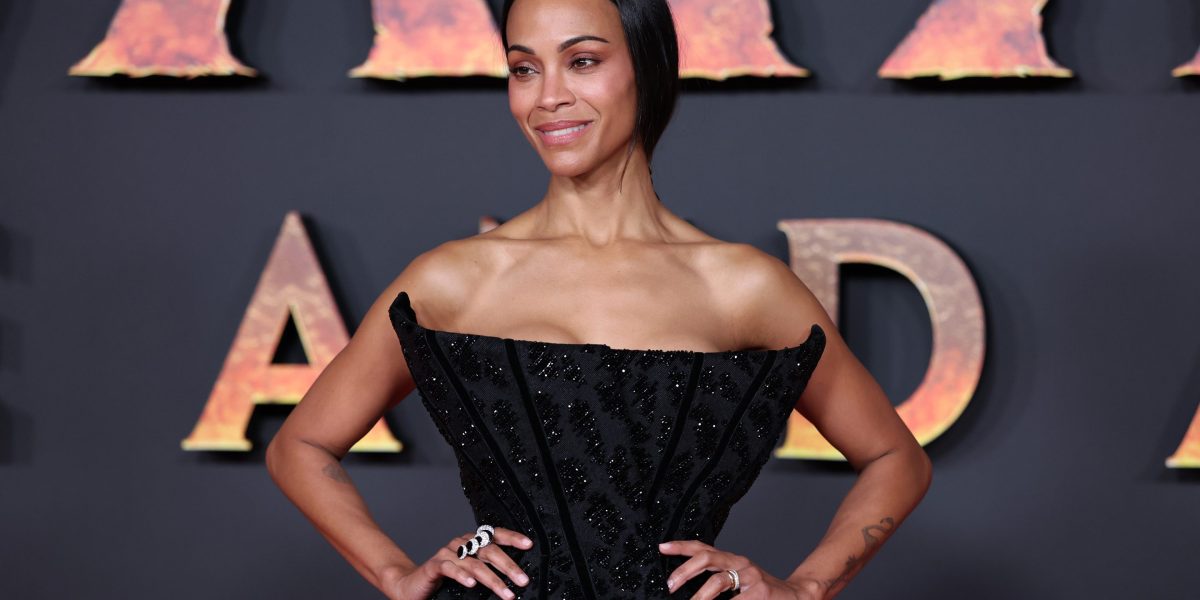
Hollywood has a new queen bee, and the money made from her movie portfolio outmatches the market caps of billion-dollar companies like Alaska Airlines and H&R Block. Academy Award-winning star Zoe Saldaña was just crowned the highest-grossing actor in Hollywood, surpassing Scarlett Johansson and Samuel L. Jackson after a breakout year of entertainment.
The movies Saldaña has starred in as a leading actress have earned a staggering $15.47 billion—ranking her above every other actor in the world—according to recent data from The Numbers. Following the immense $1.08 billion global success of Avatar: Fire and Ash, she finally overtook her Marvel peer Johansson ($15.4 billion) and Hollywood icon Jackson ($14.6 billion), who ranked above her in 2024.
The 47-year-old is also the first woman in Hollywood to have starred in four projects that have amassed more than $2 billion globally. And 2025 was her year—aside from the success of Fire and Ash, she won the best supporting actress Oscar for her role in Emilia Pérez, becoming the first Dominican American to win an Academy Award.
Saldaña took to the internet to celebrate her most recent milestone. “I just want to express my sincerest gratitude for the extraordinary journey that has led me to become the highest-grossing film actor of all time today,” Saldaña said in an Instagram video. “An achievement made possible entirely, entirely by the incredible franchises and the collaborators that I have been fortunate enough to be a part of, to every director who placed their trust in me.”
She also credited the directors of some of her biggest franchise hits—from Star Trek and Guardians of the Galaxy, to Avengersand Avatar—in challenging her and shaping her as an artist. But it’s her mom who gave her the biggest career advice, Saldaña has previously admitted.
Leaning on this critical advice while breaking barriers in Hollywood
Throughout her 27-year career starring in billion-dollar franchises and indie flicks, Saldaña has made her mark on Hollywood despite the challenges. As a woman and Latina in the movie industry, the actress has faced barriers and felt the pressure to work “twice as hard, because I’m a woman,” she toldCNBC Make It.
In those tough moments, Saldaña leaned on the advice her mother gave her earlier on—which she “didn’t know how powerful that [advice] was going to be” until she had to navigate her own unique obstacles in entertainment.
“She was always reminding me that I mattered,” Saldana told CNBC Make Itin 2019.
“She was like, ‘Don’t forget about you…Don’t forget about your happiness. Don’t forget about your beauty. Don’t forget about your opinion.’”
Hollywood’s top-grossing actresses and actors
The five top-grossing actresses and actors in leading roles at the worldwide box office, according to recent data from The Numbers:
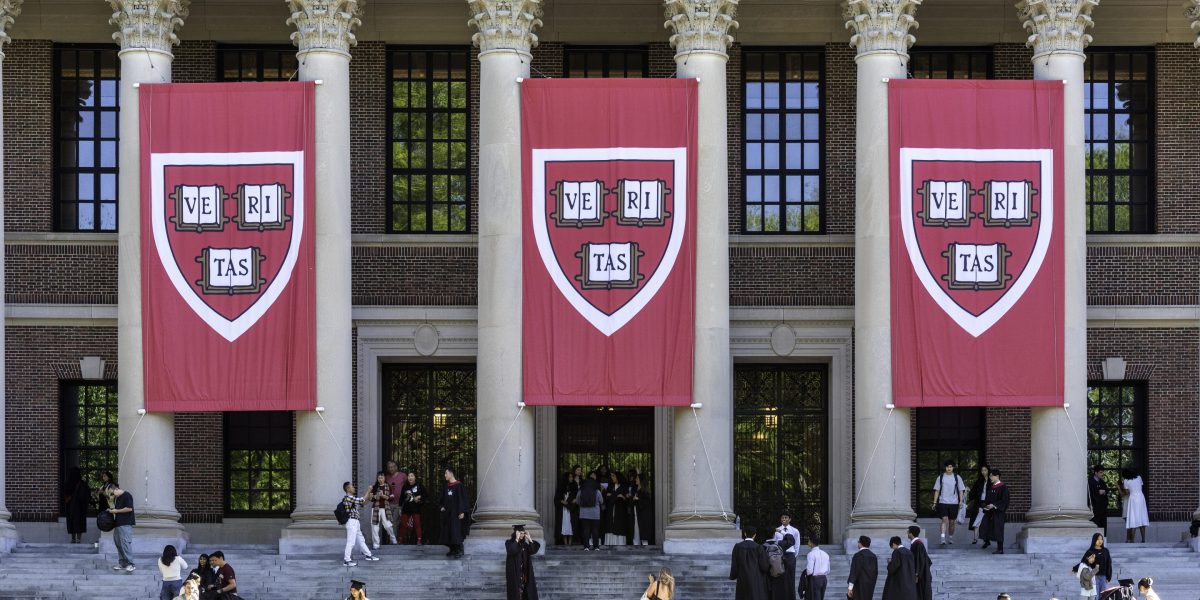
College is expensive, and a growing number of skeptics have questioned its value proposition. Palantir CEO Alex Karp has said it doesn’t really matter where his employees went to college, and Apple CEO Tim Cook has said a four-year degree isn’t even required to work at the company. The rise of AI has only added to doubts of a degree’s value. But some economists say college still holds some implicit value, like teaching students things AI could never learn how to do.
Carl Benedikt Frey is an economist at the University of Oxford and the author of a famous 2013 paper that estimated automation could put nearly half of U.S. jobs at risk. He paints a troubling picture for the future of white-collar US jobs, saying as AI advances, high-skilled work is more likely to be offshored.
“If AI makes these jobs easier, you will see more activities shifting towards places where labor is cheaper, whether that’s India or the Philippines,” Frey told Fortune. “I think that’s going to put a lot of pressure on people’s wages doing knowledge work.”
Despite his estimation, Frey says earning a college degree is still worthwhile, as it imparts three core skills in which humans hold a competitive edge over AI: complex social interactions, creativity, and navigating complex environments.
Complex social interactions
AI has made leaps in communication advancements during the past decade. Despite that, Frey says those improvements actually make human-to-human interaction more valuable.
“The value of social skills have gone up over the past decade, whereas the value of math skills has been trending downwards,” Frey said.
That’s because AI can’t hold a meeting as well as it can solve long division. Communication and emotional intelligence are things AI models cannot replicate—at least for now—maintaining their value in the workplace. A Stanford University study evaluating how AI will shift valued skills in the workplace found communication skills will grow in importance, while high-wage skills like data analysis and accounting will diminish in value.
Creativity
Sure, you can ask ChatGPT to read the Rolling Stones’ “Sympathy for the Devil” in the manner of William Shakespeare, or even train an algorithm in impressionist art and ask it to turn your wedding photos into Monet paintings. But human creativity extends beyond memorizing knowledge and regurgitating it in different formats. It takes the ability to think differently and push boundaries.
“If you had asked an LLM in 1900, ‘would humans ever be able to fly?’” Frey said, “it would have concluded that there’s no bird that weighs more than 30 pounds that’s able to get off the ground.”
That is why creativity is becoming a critical trait for workers to have. The World Economic Forum’s Future of Jobs Report 2025 also says creative thinking is becoming more important amid AI’s rise. Frey says active discussion and debate—a cornerstone of a college education—is a critical activity to enhance creative thinking.
Resilience
Frey says AI doesn’t quite possess the resiliency to function like a human. It can provide—with the click of a button—a wide range of information, from a slew of complex legal cases to optimized travel itineraries. But it doesn’t do well in environments that are in constant flux, as is the real world.
“An undergraduate textbook will not have changed that much in recent decades,” Frey said. “AI thrives as a tutor in those relatively static environments.”
That means flexibility will hold more currency as AI continues to enhance. The WEF’s 2025 Future of Jobs Report also named resiliency a skill that is rising in importance. And business leaders note its importance in the age of AI, saying it is a required trait to navigate the many changes a business faces amid AI adoption. While AI can help “democratize” basic information, such as what is found in a typical 101 course textbook, college prepares students to interpret that information for complex environments, according to Frey.
“In professions where you have more volatility where your job changes more day to day, [those jobs] are less likely to be exposed or automated,” Frey said.
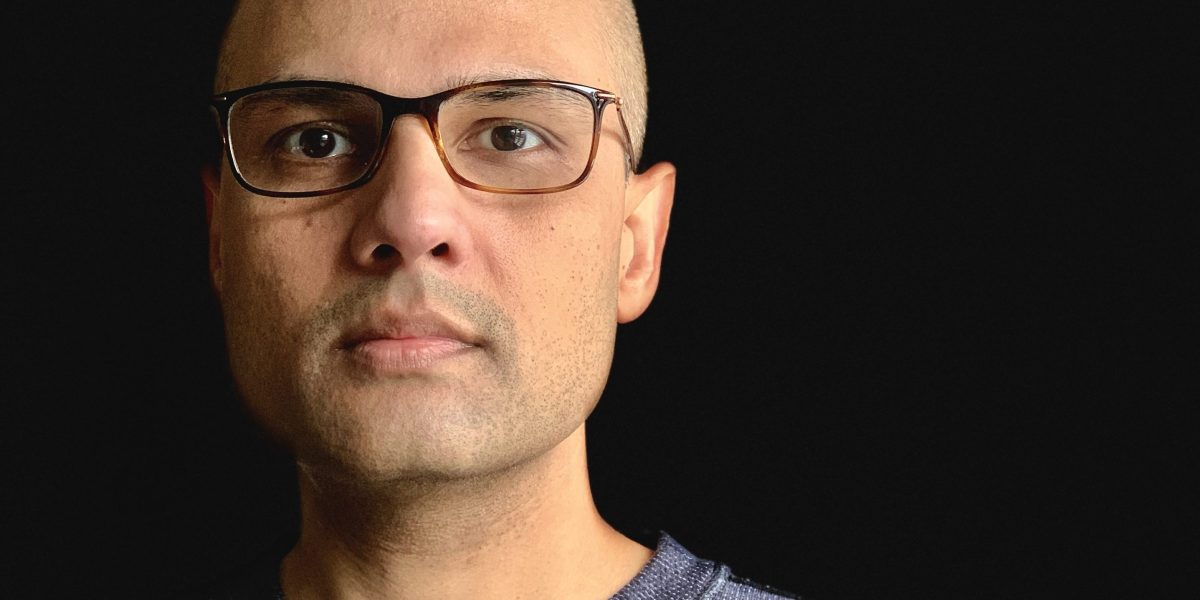
When a company wants to pay its employees in different countries using stablecoins, it encounters a roadblock: many countries use different stablecoin service providers: there is Yellow Card in South Africa, Onmeta in India, and so on. Pankaj Bengani, a veteran of payment giant Block, founded Meld in part to fix this issue. He is building a network called Meld that aims to be a one-stop shop for companies and individuals to access and convert digital assets globally.
The startup announced on Wednesday that it raised $7 million dollars in a funding round led by Lightspeed Faction, with participation from F-Prime, Yolo Investments, and Scytale Digital, which brings their total capital raised to $15 million. Bengani, the founder and CEO of Meld, did not disclose his company’s valuation in an interview with Fortune.
“It’s very fragmented—there are so many blockchains, there are so many stablecoins, there are so many payment methods,” Bengani said. “It’s ripe for one company to make it easier, and that’s what we want to do.”
When companies and individuals connect to the Meld network, they can buy or settle stablecoins, Bitcoin, Ethereum, or any other type of digital asset around the world. The network launched in 2024 and partners with over 50 providers—like Yellow Card and Onmeta—in more than 180 countries, working in over 150 fiat currencies, the company says. People can use the network for remittances and global payroll, among other use cases. In the same way Visa partners with banks around the world for the last mile of transactions, Meld aims to partner with global crypto providers.
There are two fintech giants, Stripe and Bridge, that provide on and off ramping of crypto. Bengani says that these companies only serve a select few countries, mainly European countries and the United States, whereas Meld is more global.
The startup generates revenue through transaction fees, although it did not disclose exact numbers. Meld said that it expects to at least quadruple its revenue from last year. It currently has about 15 employees.
Prior to founding Meld, Bengani worked at Square (as Block was then known) for about five years. There, he felt aligned with the company’s mission of financial inclusion, which he says it accomplished by helping small businesses. He takes those same values to Meld, where he believes he’s promoting financial inclusion by providing people access to crypto at a global scale.
“It’s fun to make money and feel like you’re making the world a better place, as corny as that sounds,” he said. “If you can give financial access to people on these new rails, that’s pretty cool.”






 Politics8 years ago