
Politics
In final State of the State, Gov. DeSantis says his tenure delivered for Floridians

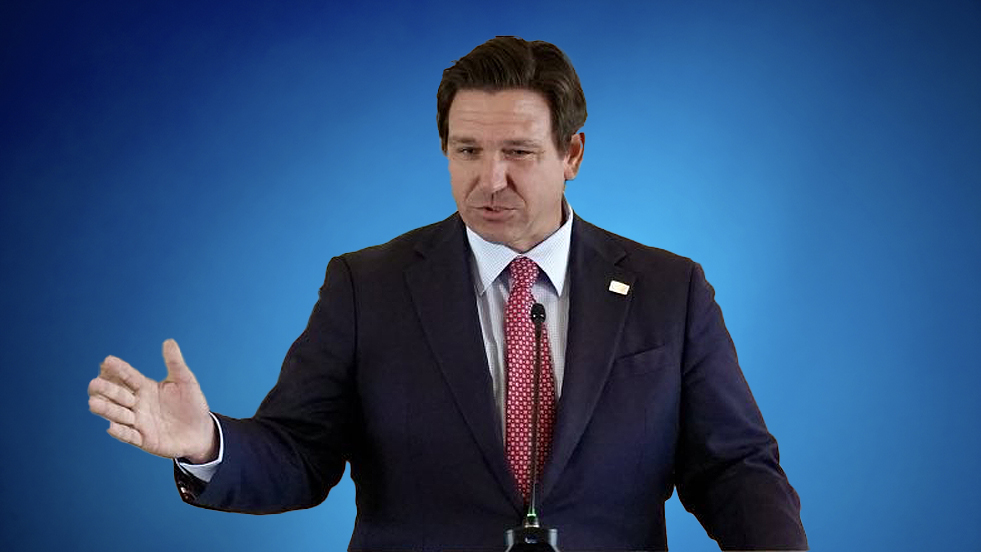
In his final State of the State address as Governor, a defiant Ron DeSantis defended the controversial Hope Florida charity and proclaimed that he has delivered “big results” during his time in office.
“We have set the standard for the rest of the country to follow. We are the Free State of Florida,” DeSantis said in his 30-minute speech addressing lawmakers on the opening day of the 2026 Session.
DeSantis urged the Legislature to pass bills on illegal immigration, eliminating diversity, equity and inclusion programs, expanding gun rights and supporting the state’s rural areas.
“My message is simple. Get the bills to my desk,” DeSantis said. “In the spirit of 1776, I’m happy to put my John Hancock on those pieces of legislation.”
In the debate on how to provide property tax relief, DeSantis’ tone has, at times, been combative and critical of his own political party.
On Tuesday, his approach was different.
“The Legislature has the ability to place a measure on the ballot to provide transformational relief for taxpayers. Let’s resolve to all work together, get something done and let the people have a say,” DeSantis said.
DeSantis credited his wife, First Lady Casey DeSantis, and Hope Florida for helping Floridians get off public assistance to save the state $130 million annually, he said.
“We have proven that a hand up is better than a handout,” DeSantis said.
Following DeSantis’ speech, Democrats struck back to offer their own take on the Hope Florida scandal.

“The Governor remains completely out of touch with reality. Eight years of his ineffective and dangerous leadership has left Florida less affordable and more corrupt,” Senate Democratic Leader Lori Berman said. She said millions of dollars were illegally funneled to a political committee controlled by DeSantis’ then Chief of Staff, James Uthmeier. Berman noted that Uthmeier was later appointed by DeSantis to be Florida’s Attorney General.
In the rest of the State of the State address, DeSantis called for oversight on artificial intelligence as he warned about the new technology’s dangers.
“Artificial intelligence is touted as being the key to curing cancer and expanding America’s military edge over arrivals, and perhaps this will be true. But this technology also threatens to upend key parts of our economy in ways that could leave many Americans out of work and with consumers footing the bill for the cost of power-intensive data centers,” DeSantis said.
“As AI chatbots have already been linked to teen suicides, it can also further devolve our society into a focus not on substance, but on online slop.”
The state has already turned over 20,000 undocumented immigrants to the federal government to be deported, DeSantis said.
Before the history books weigh in on the legacy of the DeSantis administration, the Governor described what he called a fiscally responsible state that promotes school choice and is winning cultural wars.
The state said the state has more than tripled its rainy-day fund and paid off nearly half of the state’s taxpayer supported debt, DeSantis said.
“Because the Legislature has supported efforts to accelerate repayment of this debt, we’ve saved more than $1 billion on principal and interest costs,” DeSantis said. “We’ve defeated attempts to force boys into girls’ sports, to inject gender ideology into elementary schools and deny parents the right to direct the education and upbringing of their children. We have ensured that our schools have a duty to educate, not a right to indoctrinate.”
One of the state’s crowning achievements has been Everglades restoration, DeSantis said.
“Even the flamingos have returned inside the Glades,” DeSantis said. “This has been the largest environmental restoration in the entire country. You can now walk into the swamp, sit on a cypress stump and see nature healing. The ghost of Osceola need cry no more.”
With America’s semiquincentennial upon us, DeSantis weaved in references to the Founding Fathers, a favorite topic of his, throughout the speech.
“We are the keepers of the flame of liberty that burned in Philadelphia in July of 1776,” DeSantis said. “We will not allow the flame to go out. We will answer the call. We will go forward with courage. We will take bold action. We will get the job done.”
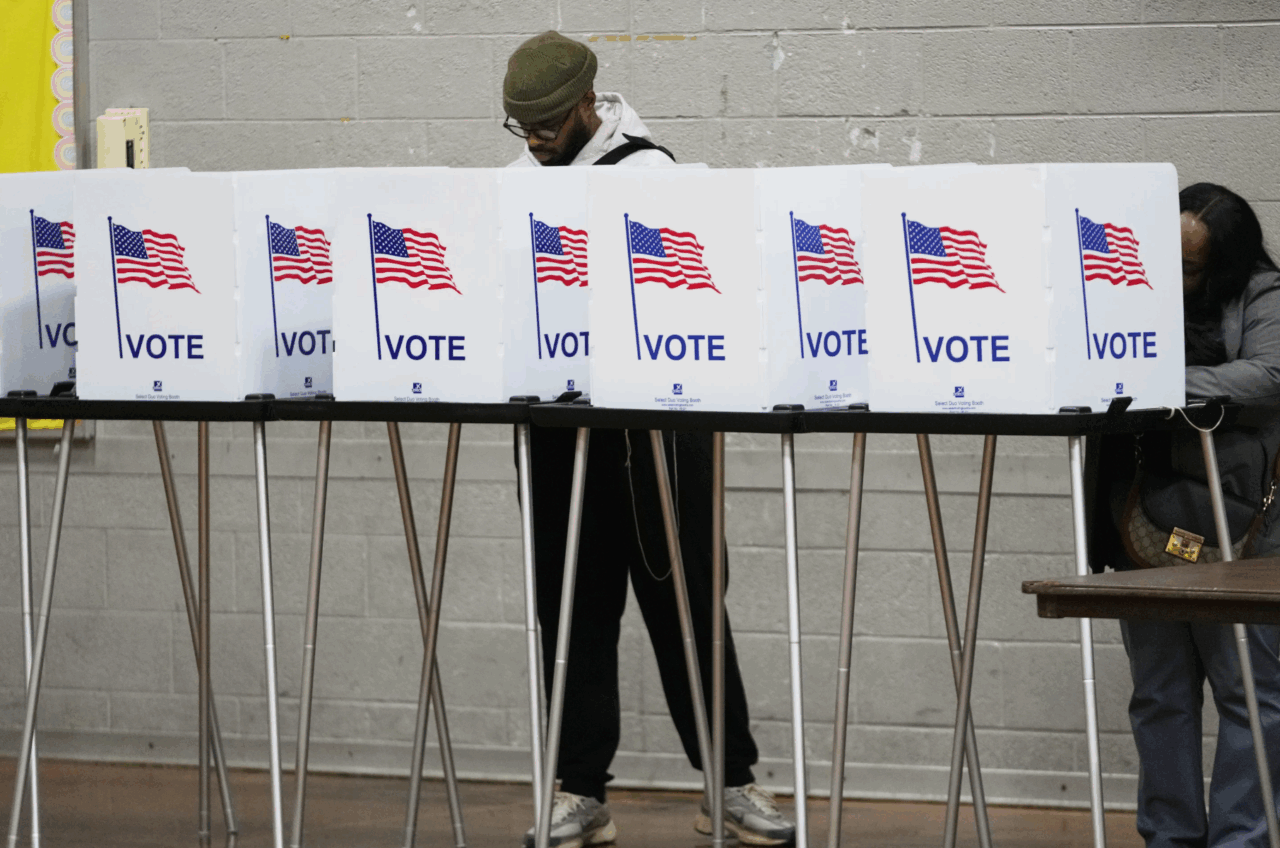
Bills from Jacksonville Republicans that would relax rules for students who volunteer at polling places cleared their first committee hurdles by unanimous votes.
The legislation (SB 564, HB 461), sponsored by Sen. Clay Yarborough and Rep. Kiyan Michael, says the ban on privately-funded election-related expenses would not bar high school students who are registered or preregistered to vote from voluntarily helping poll workers in exchange for community service hours that apply to Bright Futures scholarships.
Students can preregister to vote beginning when they turn 16.
The bill would take effect July 1, meaning that eligible students could begin participating in the process during the August Primaries this year if it becomes law.
Yarborough told the Senate Ethics and Elections Committee that this bill, if passed, “will be one of the greatest firsthand civics lessons, which they can experience as they go along, of one of our greatest rights and what it takes to conduct elections.”
Michael told the House Government Operations Subcommittee the bill allowed students to volunteer on weekends, addressing a potential shortage of volunteers, driving engagement and teaching a “civic lesson.”
“We’re always talking about, ‘We need to have our kids doing something positive,’ and this gives them the ability to volunteer at our polling locations,” she said.
Asked about potential dangers to the young volunteers from violence by Republican Rep. Paula Stark, Michael expressed confidence that the lead poll worker and the Supervisor of Elections could handle any issues.
Duval County Supervisor of Elections Jerry Holland spoke on behalf of the bill in both committees.
He said his grandson was looking for community service opportunities, and said volunteering would help students understand the process and get “exposed” to the role and “maybe come back and be part of our team in the future.”

“Maybe in the future, I’ll have a future poll worker,” he said in the House committee.
He also said that in the case of liability issues, the Supervisor of Elections would be responsible, just as with anyone else in a polling location.
The bills, which are identical, each have two committee stops ahead.
The League of Women Voters and the Southern Poverty Law Center support the legislation.
Politics
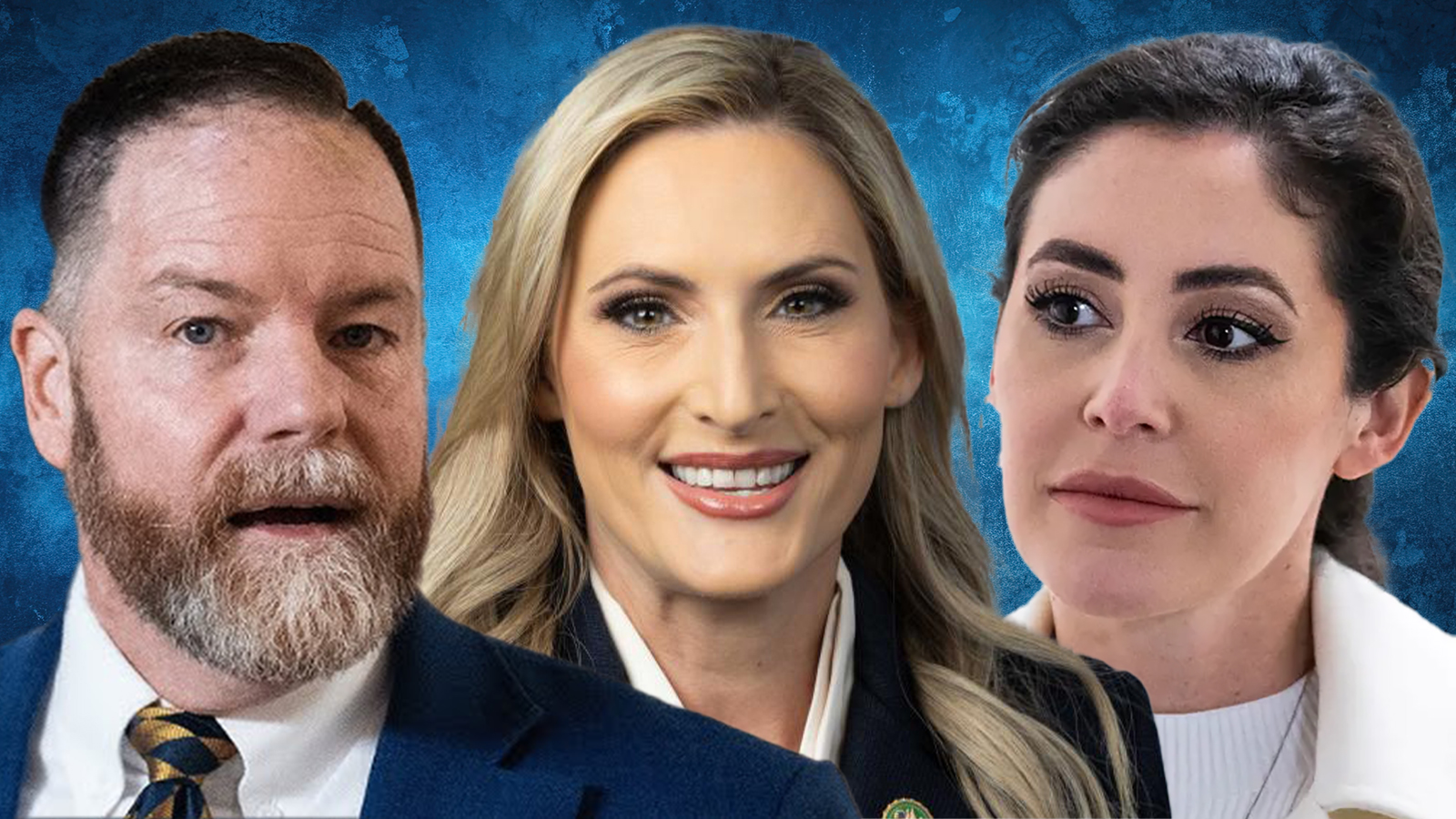
Aaron Bean, Laurel Lee, Anna Paulina Luna advance insider trading ban with support of Mike Johnson
Politics
Nick DiCeglie bill that aims to fix unintended consequences of hurricane recovery law flies through committee

A bill proposed by Republican Sen. Nick DiCeglie meant to right the wrongs brought by 2025 legislation (SB 180) has cleared its first committee stop.
SB 840, sponsored by DiCeglie of Pinellas County, would scale back the unintended consequences of SB 180, which was designed to prevent local governments from slowing rebuilding efforts after hurricanes.
But broad language in that law has instead been used to block unrelated comprehensive plan changes and development decisions well beyond storm-damaged areas. The matter pushed a group of cities and counties across the state to file a joint lawsuit against the state.
The Senate Committee on Community Affairs voted Tuesday to report SB 840 favorably after limited discussion.
“As we were going through the legislative process there were provisions, 18 and 28, of Senate Bill 180 that had the term ‘burdensome and restrictive,’ and it was such a broad term that unfortunately we’ve seen across the state in many cases a paralyzation of local governments just trying to execute and advance some changes through their comprehensive plan,” DiCeglie said.
SB 840 would reduce the affected area from 100 miles to 50 miles from a hurricane’s track. DiCeglie said overlapping storms during the 2024 hurricane season effectively placed nearly the entire state under post-storm land use restrictions, prompting the change.
“That 100-mile radius ultimately impacted almost every inch of the state,” DiCeglie said.
The bill would also shorten the duration of SB 180 restrictions tied to Hurricanes Debby, Helene and Milton. Under SB 840, those provisions would expire on June 30, instead of remaining in effect through late 2027, as currently scheduled.
SB 840 would maintain a one-year prohibition on local governments imposing moratoriums or adopting more restrictive land use regulations that would delay rebuilding, but limits those restrictions to property that was actually damaged by a hurricane and requires documentation of storm-related damage.
The bill would allow local governments to continue certain actions after a storm, including planning decisions required by state or federal law, work in areas of critical state concern, and projects related to drinking water, sewer, stormwater and flood protection.

Committee members asked limited questions, focusing on the reduced geographic scope and the bill’s changes to SB 180’s expiration dates. Several Senators praised the bill as a necessary response to concerns raised by local governments since. No speakers appeared in opposition, and the Florida Association of Counties signaled support for the measure.
DiCeglie emphasized that SB 840 is intended to preserve the original intent of SB 180 while addressing its unintended consequences. The committee unanimously approved SB 840, advancing the bill to the Senate Judiciary Committee as lawmakers have officially reconvened for the 2026 Legislative Session.
“This will ensure that regardless if a storm hits, communities within areas of critical state concern will be able to move forward with comprehensive planning decisions,” DiCeglie said.


Student polling place volunteer bills advance in House, Senate

Chief people officers—and Jamie Dimon—say AI can’t learn ‘human skills.’ The world’s youngest self-made billionaires want to prove them wrong

Guess the Hot Mom Over 50 Showin’ Off Her Sexy Legs!
-

 Politics8 years ago
Congress rolls out ‘Better Deal,’ new economic agenda
-
Entertainment8 years ago
New Season 8 Walking Dead trailer flashes forward in time
-
Politics8 years ago
Poll: Virginia governor’s race in dead heat
-
Politics8 years ago
Illinois’ financial crisis could bring the state to a halt
-
Entertainment8 years ago
The final 6 ‘Game of Thrones’ episodes might feel like a full season
-
Entertainment8 years ago
Meet Superman’s grandfather in new trailer for Krypton
-
Business8 years ago
6 Stunning new co-working spaces around the globe
-
Tech8 years ago
Hulu hires Google marketing veteran Kelly Campbell as CMO