Connect with us

Fashion

Retailers are embracing gamified commerce

Published

on


By

Bloomberg

Published


January 13, 2026

Fans of brands as varied as Le Creuset, Elf Beauty, Michaels Cos. and the Miami Heat can make a gamble: Spend some nominal amount of money to get merchandise worth much more. The catch? Shoppers don’t know what they’re getting until they open the box- a phenomenon known as “mystery” or “blind” shopping.

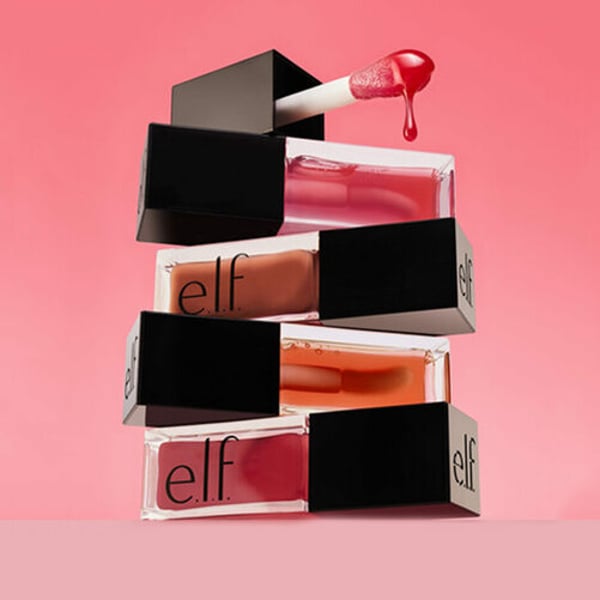
Elf Beauty reported a positive response to its mystery bundles – Elf Beauty

“It’s gamified commerce,” said Shreyas Sekar, assistant professor of operations management at the University of Toronto Scarborough, who has closely tracked the rise of blind boxes. The practice, long popular in parts of Asia, has spread to the US, UK, and Canada over the last three or four years, Sekar said, with more new companies jumping on the trend each year.  

It’s partly thanks to Labubus, the wildly popular furry dolls that come in blind-box packaging. Their growth among US consumers, Sekar said, has served as a proof of concept for the viability of mystery shopping in markets outside of Asia. Pop Mart International Group, the Chinese company that owns Labubu, reported revenue in the Americas surged nearly 1,300% in the latest quarter.

Now, other retailers are realising they too can drive buzz- and at times offload unwanted merchandise- by playing up the secrecy angle. 

Blind boxes are “a chance to gamble on getting something great,” said Jackie Mitchell, a 28-year-old social media influencer, in an interview. Last year, she recorded herself opening a Le Creuset mystery box she bought at the brand’s event in Columbus, Ohio. She estimated her haul- two plates, a skillet and a cast iron Dutch oven- was worth more than $600. To be eligible to buy the $50 box, she had to buy a $25  VIP ticket to the event and spend at least $150 there. 

But as with any gamble, it doesn’t come without risk. Like the kid who receives a sweater instead of Legos for his birthday, shoppers at times have been disappointed by the contents of the boxes. And many of them air their grievances on social media. 

Le Creuset faced customers’ frustration after selling mystery boxes at an event in Hartford, Connecticut. One TikTok content creator, who identifies herself as Linda from Buffalo, posted multiple videos criticizing the brand for what she said were lower values of mystery box merchandise from  the event.

“The value of the boxes in everywhere else in the US was over that $675 amount, for the most part,” she said in one video. “And when it got to the Hartford event, $300.”

Le Creuset apologised to customers, acknowledging the event and mystery boxes “did not live up to expectations.” It called on customers who “received a mystery box below the guaranteed $300 value, or damaged product” to contact the company directly “to make things right.”

The company didn’t respond to a request for comment from Bloomberg. 

Despite the risks, mystery boxes are showing up everywhere, from craft beer retailers to sports merchandise. Elf started selling six cosmetic mystery bundles, each with five to eight items, in early November, with the company advertising savings up to 50% off the normal price of the products included. The boxes contained bestselling items rather than “leftovers,” according to chief brand officer Laurie Lam. One of the kits sold out a week after launching. 

“It was undeniable that we saw blind boxes take off,” Lam said, adding that “Pop Mart was a factor.” 

The boxes are even showing up in food service. Cava offered “blind-bagged plushies” modelled after its pita chip flavours with its limited-time hot harissa meal last year. The surprise and collectability factor gave customers a reason to visit in-person, according to chief experience marketing officer Andy Rebhun. Cava had to rush to restock and ultimately sold more than 33,000 plushies and meals, with some guests purchasing specifically for the collectible.

“The trend works in the food and restaurant space when it’s not shoehorned in,” Rebhun said. He added that the trend may push “brands to think creatively about how to turn meals into experiences.” 

It’s unclear how long mystery boxes will remain hot with shoppers, but they’ve emerged as a useful tool for companies that want to pare down their inventories. Brands should be sure to communicate with consumers, however, to set expectations, says Sarah Williams, who has built a business as a mystery and subscription box coach.

“You want to get that inventory off your shelves and back into the bank account,” Williams said. “My biggest advice is transparency- if it’s overstock, I’m going to put that in the description.”

Since starting her blind-box consulting business around 2020, Williams says she has coached over 7,000 clients. She’s also been running her own subscription-box service from Texas for the last nine years. The boxes often follow a theme- such as “teachers tees” or “Christmas clearance.” Contents range from custom shirts and mugs with inspirational quotes to tumblers and jewellery. 

“When I put my boxes together, I make sure to include something of equal value in each box so no one is truly disappointed,” she said. “You want them to feel excited and like they got a good deal.”

Kaylie Wall, who owns a Barre3 fitness studio in Carlsbad, California, said she used mystery bags during the holidays to help reduce excess merchandise that built up this year, especially $22 grip socks that are required for classes. In November, she created about 20 bundles, classified by size, each with three pairs of socks for $33 as part of the location’s three-year anniversary sale.

Some customers were sceptical, but others were curious, she said. A couple of them made unboxing videos to share with friends. 

“It’s basically a way to get rid of merchandise we’ve had for a long time,” Wall said. “I’m definitely not going to order as many Christmas socks this year.”


Source link

Continue Reading

Fashion

Spring and Autumn Fair trade shows make leadership changes

Published

on


Published


January 13, 2026

​Trade show specialist Hyve Group has made two senior leadership appointments ahead of upcoming Spring Fair (1-4 February) and Autumn Fair (6-9 September).

Fay Tranter

Fay Tranter has joined the Spring Fair team as event director, while Matthew Mein has been appointed event director for both Glee and Autumn Fair, “reinforcing [the events’] commitment to long-term growth, strategic focus and delivering exceptional experiences for exhibitors and visitors alike”.

Tranter brings a “strong and diverse background spanning B2C and B2B events, marketing, sales and event leadership”. She has also worked in London’s West End with impresario Andrew Lloyd Webber, “giving her a unique blend of commercial and creative expertise”.

Portfolio director Jackson Szabo added: “As the largest show in the UK, Spring Fair demands year-round strategic focus and dedicated leadership to unlock its full potential. But more broadly, our role is about supporting the retail industry at a time of real change. From independent retailers to major multiples, businesses are looking for inspiration, practical insight and trusted connections, and Spring Fair has a critical part to play in enabling that growth. Fay brings a fresh perspective, a wealth of experience and an infectious energy.”

Following the co-location of Autumn Fair and Glee, and with both shows “retaining their distinct identities, communities and sector focus”, Mein’s is an internal appointment that sees him add Autumn Fair to his Glee directorship, to “ensure each event continues to deliver clearly defined value for its core audiences while benefiting from closer strategic coordination”.

Matthew Mein
Matthew Mein

Mein added: “Glee and Autumn Fair together represent a huge opportunity. Bringing these communities closer will allow us to create a more connected, dynamic and impactful event experience. The growth we’re seeing now, and the strength of the 2026 pipeline, makes this an incredibly exciting time to take the next step.”

Szabo also said: “With [the shows] coming together… our ambition is to create environments that genuinely help retailers source better, plan smarter and build more resilient businesses. Matthew understands the challenges facing the industry and the importance of serving distinct communities well, and that’s exactly what we need as we look to support sustainable retail growth across the UK.”

Copyright © 2026 FashionNetwork.com All rights reserved.


Source link

Continue Reading

Fashion

Britons turning to AI ‘to help with savvy spending in 2026’ – American Express

Published

on


Published


January 13, 2026

UK shoppers continue to warm to artificial intelligence (AI) in their decision-making, according to new research. AI’s increasingly shaping how consumers plan and buy goods as they look for savvier ways to manage spending in 2026, says American Express

American Express

Its latest Spending Spotlight research shows 29% of UK adults either plan to, or will consider using, AI assistants and tools when they shop this year, rising to 37% for consumers aged 18-34. 

Indeed, those younger consumers are using bots to compare prices (31%) and track deals (25%), along with boosting their research confidence by surfacing reviews and key product details (31%) and uncovering new brands and alternatives (27%). 

Also, 20% of consumers say AI’s helpful when looking for inspiration for new experiences, from activities and events to travel ideas – “highlighting its growing role in shaping how people plan and spend their downtime”. 

More broadly, the Spending Spotlight also shows 46% of Britons are entering 2026 with a New Year’s spending resolution, such as shopping around for deals, tracking their spending more closely and buying from eco-friendly brands. 

The research also suggests competition for consumer loyalty is set to intensify among retailers, with savvy shoppers increasingly looking to rewards and incentives when deciding where to spend. Two-thirds (66%) of respondents say they have used loyalty or rewards points to get a better deal in the past year and plan to continue doing so through 2026. 

This reward-seeking focus is also influencing where people choose to shop as 61% say they have intentionally chosen to spend with businesses with loyalty programmes and plan to continue spending with them, “reinforcing the importance of rewards to driving repeat custom”, the report said. 

Dan Edelman, UK general manager, Merchant Services, American Express, added: “We’re seeing AI progressing at pace into a valuable companion for shoppers to help them plan and feel confident in their spending decisions.

“What’s also clear is that as people continue to look at savvier ways to spend, being rewarded for their loyalty remains highly important to shoppers. For retailers, that means competing not just on price, but on the quality of information, experience and incentives they provide.” 


Copyright © 2026 FashionNetwork.com All rights reserved.


Source link

Continue Reading

Fashion

Mango enters the Icelandic market with its first shop in Reykjavík

Published

on


Published


January 13, 2026

Barcelona-based fashion brand Mango has arrived in Iceland. As part of its ambitious international expansion, Mango has opened its first store in the Nordic nation, located in the Smáralind shopping centre, the largest retail complex in Reykjavik.

Exterior of the Barcelona-based brand’s new store in the Icelandic capital. – Mango

The new store spans 450 square metres and is dedicated exclusively to the brand’s womenswear line. Conceived in line with Mango’s signature New Med concept, inspired by the Mediterranean, its design reflects the brand’s identity and places sustainability and architecture at its core, using traditional, artisanal, sustainable and natural materials.

This opening in the Icelandic capital forms part of the 4E 2024–2026 Strategic Plan, which seeks to strengthen the company’s distinctive value proposition, reinforce its commitment to innovation and sustainability, expand its retail network domestically and internationally, and continue to drive growth across all its lines and channels. In this context, Mango is currently pursuing various growth drivers, including the expansion of its Teen category, consolidating its presence in markets such as Italy and the US, and opening stores dedicated to its Home category.

Founded by Isak Andic in 1984, the Catalan company currently operates in more than 120 markets through a network of over 2,900 points of sale. According to the latest available data, Mango posted revenue of €1.728 billion in the first half of the 2025 financial year, up 12% on the same period a year earlier, and expects to end 2026 with sales of €4 billion and 500 additional stores.

This article is an automatic translation.
Click here to read the original article.

Copyright © 2026 FashionNetwork.com All rights reserved.


Source link

Continue Reading

Trending

Copyright © Miami Select.