
Politics
Bills would create Office of Corrections Ombudsman to monitor prisons
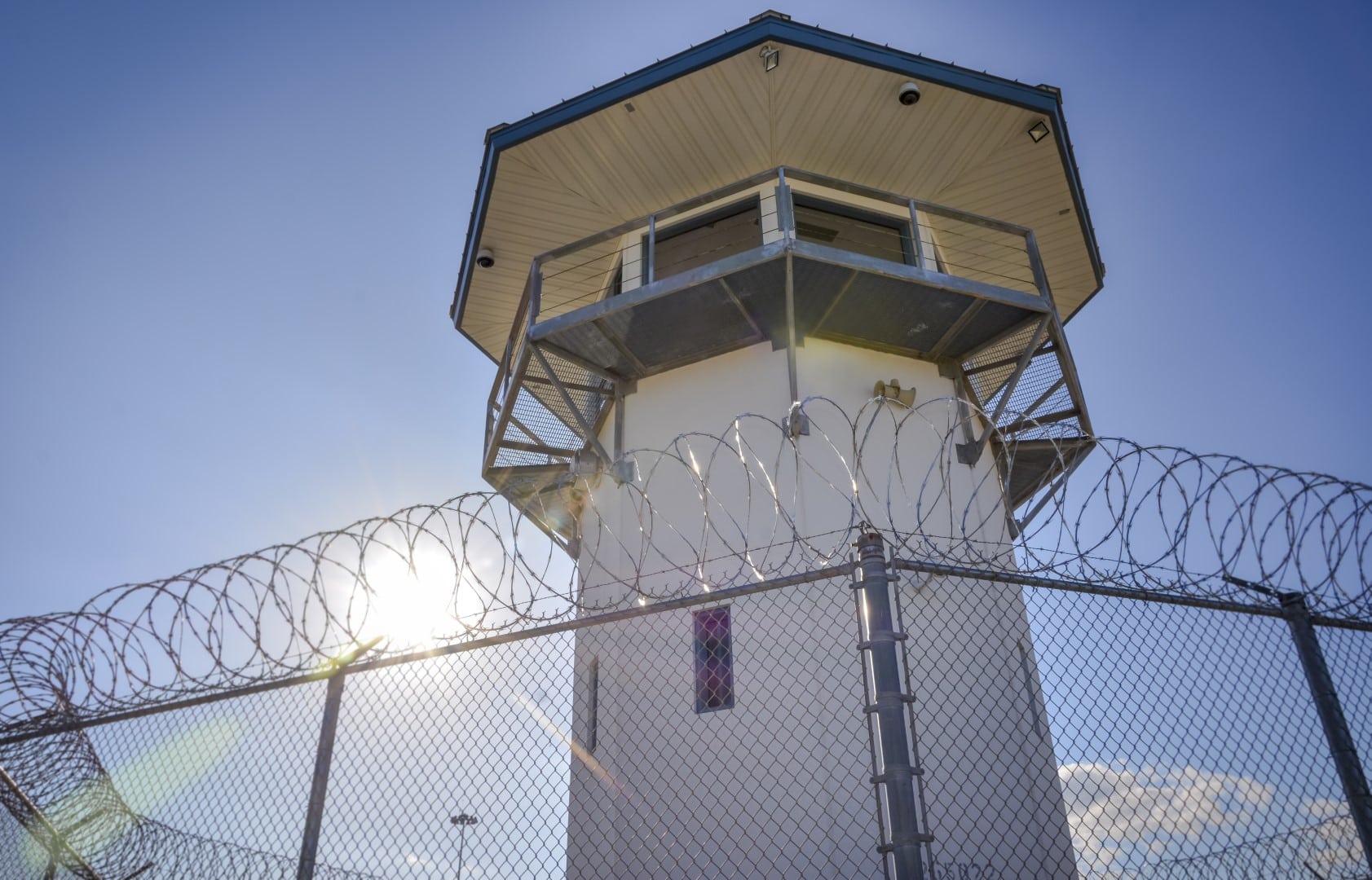
Saying existing law does not provide adequate and independent oversight of the Florida’s Department of Corrections, two Florida GOP lawmakers have proposed an Office of Corrections Ombudsman to ensure accountability, monitor conditions of confinement, and investigate complaints.
The measure (SB 1160) is sponsored in the Senate by Sen. Ana Maria Rodriguez, who represents Monroe and a part of Miami-Dade County, and in the House (HB 889) by Rep. Susan Valdés, a Tampa Republican. The idea has been pushed for several years by criminal justice reform advocates. The bill says the legislation is necessary “to create an independent entity as a unit of the legislative branch of state government in order to restore public trust in the department.”
The bills come a month after an investigation into a Panhandle state prison by the Southern Poverty Law Center found that overcrowding and overstaffing resulted in a high concentration of complaints by inmates about excessive force and staff misconduct.
And they come more than five years after the U.S. Department of Justice’s Civil Rights Division and the U.S. Attorney’s Office in the Middle District of Florida issued a report regarding Florida’s Lowell Correctional Institution, the state’s largest and oldest women’s prison. The report found reasonable cause to believe that Lowell failed to protect prisoners from sexual abuse by staff.
Nine states have created corrections ombudsman positions since 2018, while another two have created quasi-oversight bodies, according to Michele Deitch, Director of the Prison and Jail Innovation Lab at the University of Texas, which runs the National Resource Center for Correctional Oversight.
“It’s greater recognition of deaths in custody, of the violence going on inside, of poor conditions,” Deitch said.
“A lot of those are coming to light through journalistic accounts and through advocates’ reports and from people who have been incarcerated, but it’s also the fact that legislators are recognizing that what we’re doing now isn’t working. There are high recidivism rates, and we’re spending a lot of money on prisons and not knowing if they’re getting anything of real value from it, given the high recidivism rates and the poor conditions.”
The Federal Prison Oversight Act in 2024 established an independent ombudsman office to investigate complaints from incarcerated people, their families, and prison staff.
The office would:
— Receive, track, investigate and attempt to resolve complaints concerning correctional facilities made by or on behalf of incarcerated persons, supporters of incarcerated persons, and the public.

— Monitor and evaluate conditions of confinement and treatment of incarcerated persons in correctional facilities.
— Collect and analyze data relating to serious incidents, violence and deaths in correctional facilities.
— Recommend solutions to systemic problems as well as policy changes and corrective actions necessary to “protect the health, safety, welfare, and rights of incarcerated persons.”
— Provide information to incarcerated individuals, supporters of the incarcerated, and the public about the rights of those individuals.
The Legislature would create a Corrections Oversight Committee of 15 voting members to meet quarterly to advise the ombudsman. They would include four members of the Legislature and 11 members of the public representing various constituencies, including a man and woman who have previously served a prison sentence of at least three within the 10 years preceding their appointment.
The Legislature would appoint an ombudsman to a five-year term, and he or she could be reappointed for an additional five years. The Legislature would be required to allocate $250,000 to fund the office.
Accompanying legislation (HB 891, SB 1162) would create a public records exemption for correspondence and communications with the Office of the Corrections Ombudsman and the Corrections Oversight Committee.
___
Reporting by Mitch Perry. Florida Phoenix is part of States Newsroom, a nonprofit news network supported by grants and a coalition of donors as a 501c(3) public charity. Florida Phoenix maintains editorial independence. Contact Editor Michael Moline for questions: [email protected].