
Politics
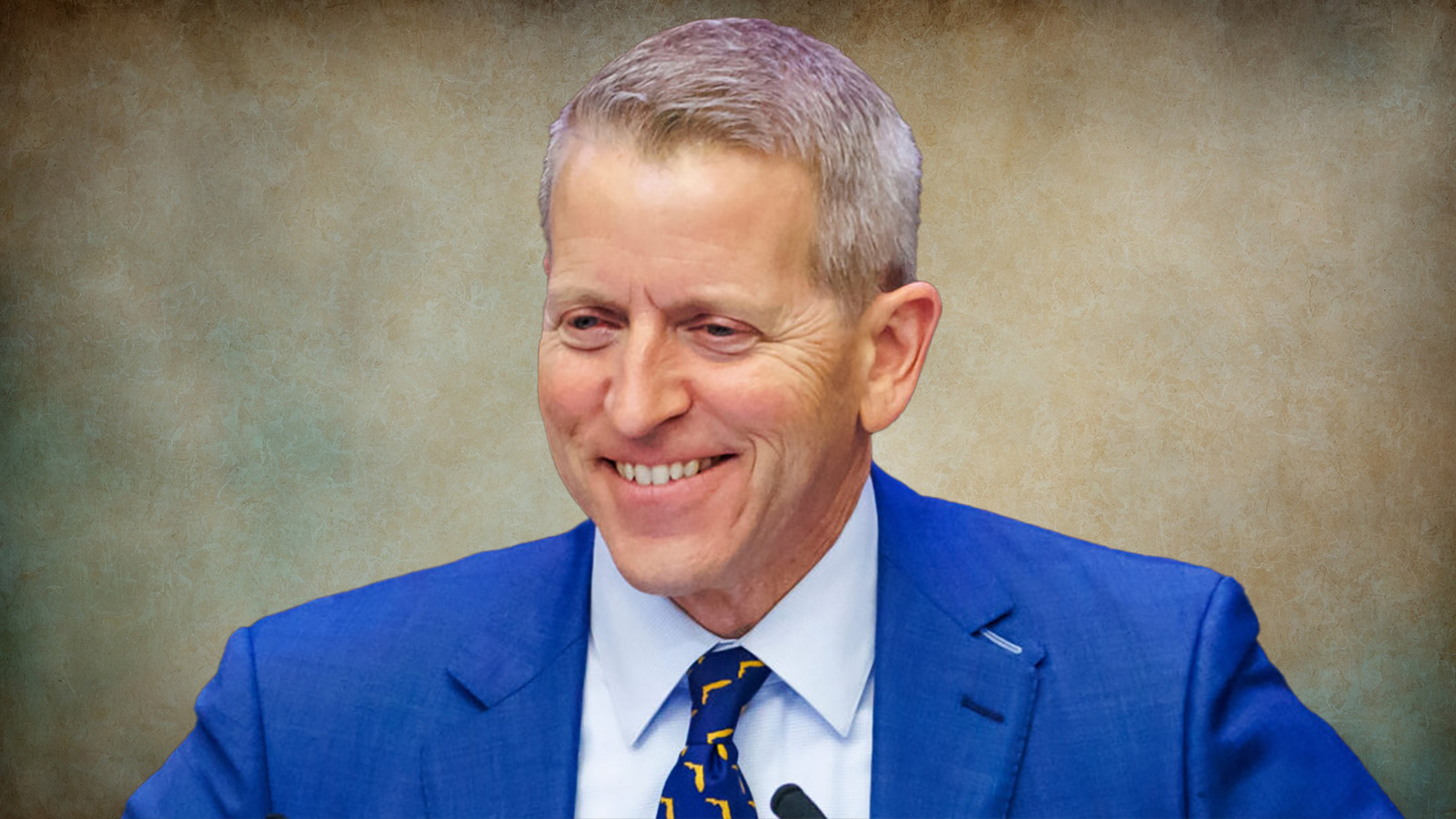
Paul Renner raises nearly $5.5 million in first four months as candidate for Governor


Republican House District 74 candidate Jennifer Winkler is reporting a sharp uptick in fundraising as the GOP Primary field continues to take shape.
Winkler announced that she has raised nearly $105,000 between her campaign account and her affiliated political committee, Friends of Jennifer Winkler, since entering the race. That total includes roughly $50,000 raised during the fourth quarter of 2025, according to figures released by the campaign.
Winkler’s campaign brought in nearly $26,000 during the final quarter of the year, while her political committee raised just over $24,000. Winkler’s campaign said she has now surpassed the $105,000 mark heading into 2026.
“I am truly humbled by the incredible support and financial backing from so many friends and neighbors across our community,” Winkler said in a statement.
“Together, we have a clear mandate to keep Florida’s economy charging ahead while working to keep housing and insurance costs down for our residents. This campaign is all about connecting with every corner of our community and earning the trust of those looking for an effective representative in Tallahassee, and we are just getting started!”
Winkler is seeking the Republican nomination for HD 74. The seat will be open in 2026 due to incumbent James Buchanan facing term limits. Buchanan has filed to run for Senate District 22 that will be vacated by Sen. Joe Gruters, who is term-limited himself and recently took up the mantle as Chair of the Republican National Committee.
Winkler joins a crowded GOP Primary field that includes Kelly Ann Walker, Nick Pachota, Chris Felder and Les Nichols. Walker recently reported more than $250,000 cash on hand between her campaign and committee. Pachota has raised $89,035 as of September, while Felder has raised $3,883 and added $1,300 in loans. Nichols has raised $6,937 and taken $4,250 in loans as of December. That’s all according to their most recent reports or news releases.
Buchanan has already endorsed Pachota in the race.
The district spans communities across Sarasota County, including Sarasota, North Port and Venice. Republicans make up roughly half of registered voters in the district, with Democrats accounting for about 23% and the remainder registered as unaffiliated or with minor parties.
Winkler owns and operates The Peeples Insurance Agency, an independent insurance business she founded in 2014. Her campaign has emphasized small-business experience, workforce development, housing affordability and health care costs. She has lived in Sarasota County since 2010, is a graduate of the University of Central Florida, and “is the proud mom of two sons, Logan and Luke.”

The winner of the Republican Primary will advance to the General Election, where Democrat Nancy M. H. Simpson has filed, though additional candidates could still enter the race.


Care at home helps people heal, manage chronic illness, and age with dignity in the place they feel safest. For more than 385,000 Floridians each year, home health care is not a luxury — it is essential. Skilled nurses, therapists, social workers, and aides help patients remain stable and independent in their homes, often preventing unnecessary hospitalizations.
The Centers for Medicare & Medicaid Services recently finalized changes to the Home Health Prospective Payment System for 2026. While CMS made adjustments in response to concerns from the home health community, the final rule still includes a 1.3% overall reduction in payments, totaling roughly $220 million less in federal funding nationwide. Even modest cuts threaten access to care, particularly for not-for-profit providers that reinvest every dollar into patient services.
These reductions arrive at a time when Floridians need more support, not less. Florida is home to 4.9 million residents age 65 and older — nearly 22% of the population — one of the highest proportions in the nation. That number continues to grow. Home health care allows older adults to remain independent, avoid preventable hospitalizations, and receive consistent care from professionals who understand their needs.
At Empath Health, the impact of at-home care is evident every day. Teams support individuals and families across the region through a coordinated approach to care. Each year, more than 80,000 Floridians are served through Empath Health’s Full Life Care model, which includes home health, palliative care, hospice, and Programs of All-Inclusive Care for the Elderly (PACE). This integrated approach ensures continuity while addressing physical, emotional, and social needs with compassion.
Care at home is not only preferred by patients; it is also a smart investment. Home-based care reduces hospital readmissions, lowers overall health care costs, and improves outcomes. Yet despite these benefits, Medicare home health has faced repeated payment reductions year after year. The cumulative impact has strained providers, contributed to agency closures in some communities, and increased pressure on hospitals and emergency departments.
When reimbursement fails to reflect the true cost of care, families feel the consequences directly: fewer home visits, longer wait times, and limited service availability. For patients recovering from surgery or managing conditions such as heart failure or COPD, delays in care can lead to avoidable complications or hospitalizations.
As a mission-driven, not-for-profit organization and a proud member of the National Alliance for Care at Home, Empath Health stands with providers nationwide who believe high-quality care should never be compromised. Protecting access to home-based care means protecting dignity, independence, and quality of life.
Floridians deserve to understand how federal payment decisions affect care in their own communities. Home health care is a cornerstone of Florida’s health care system, and its importance will only grow as the population ages. Sustaining access will require deliberate action from policymakers to ensure the long-term stability of this essential benefit.
Empath Health remains committed to standing beside families and advocating for the care they rely on. Home health care has long helped Florida families stay strong. Protecting access protects peace of mind, stability, and dignity for those who need it most.
___

Tarrah Lowry is COO of Empath Health.


Celebs Getting Fit Who’d You Rather?! Break A Sweat With Hollywood!

Nick Reiner’s Fatal Spiral Connected to Weight Gain

Renee Rapp Sexy Snaps to Kick Off Her 26th Bday!
-

 Politics8 years ago
Congress rolls out ‘Better Deal,’ new economic agenda
-
Entertainment8 years ago
New Season 8 Walking Dead trailer flashes forward in time
-
Politics8 years ago
Poll: Virginia governor’s race in dead heat
-
Entertainment8 years ago
The final 6 ‘Game of Thrones’ episodes might feel like a full season
-
Politics8 years ago
Illinois’ financial crisis could bring the state to a halt
-
Entertainment8 years ago
Meet Superman’s grandfather in new trailer for Krypton
-
Business8 years ago
6 Stunning new co-working spaces around the globe
-
Tech8 years ago
Hulu hires Google marketing veteran Kelly Campbell as CMO