One shocked professor has described young adults showing up to class, unable to read a single sentence.
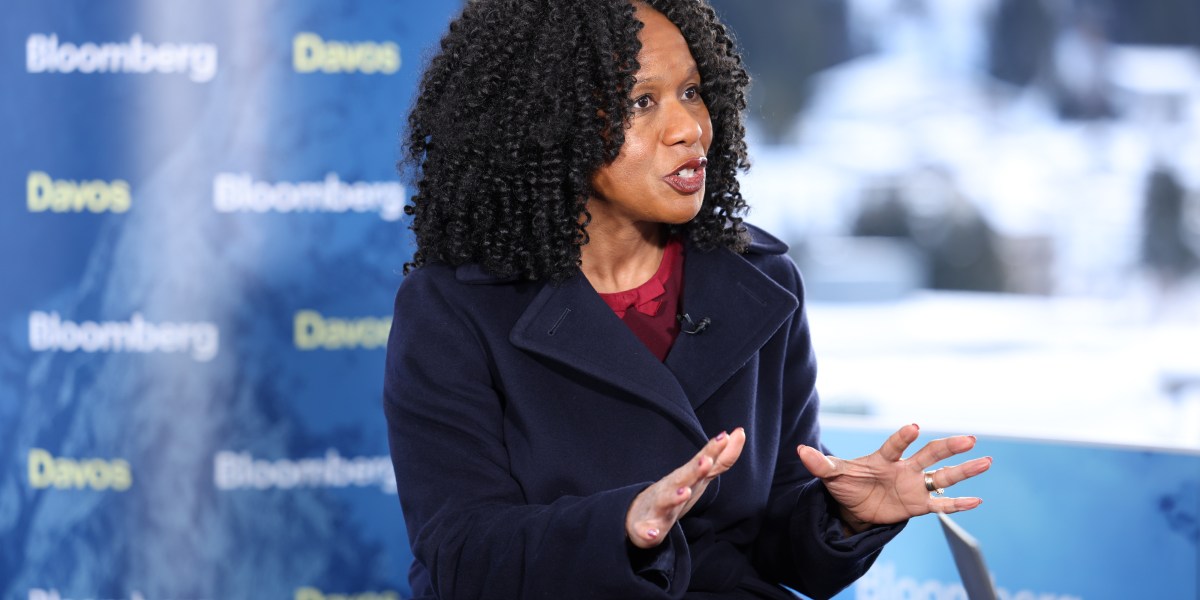
“It’s not even an inability to critically think,” Jessica Hooten Wilson, a professor of great books and humanities at Pepperdine University told Fortune. “It’s an inability to read sentences.”
Her observation reflects a broader trend: nearly half of all Americans did not read a single book in 2025, with the habit plunging some 40% over the last decade. And even with young people embracing BookTok, a TikTok subcommunity dedicated to books and literature, Gen Z’s reading habits still lag behind all other generations. Americans aged 18 to 29 read on average just 5.8 books in 2025, according to YouGov.
“I feel like I am tap dancing and having to read things aloud because there’s no way that anyone read it the night before,” Wilson admitted. “Even when you read it in class with them, there’s so much they can’t process about the very words that are on the page.”
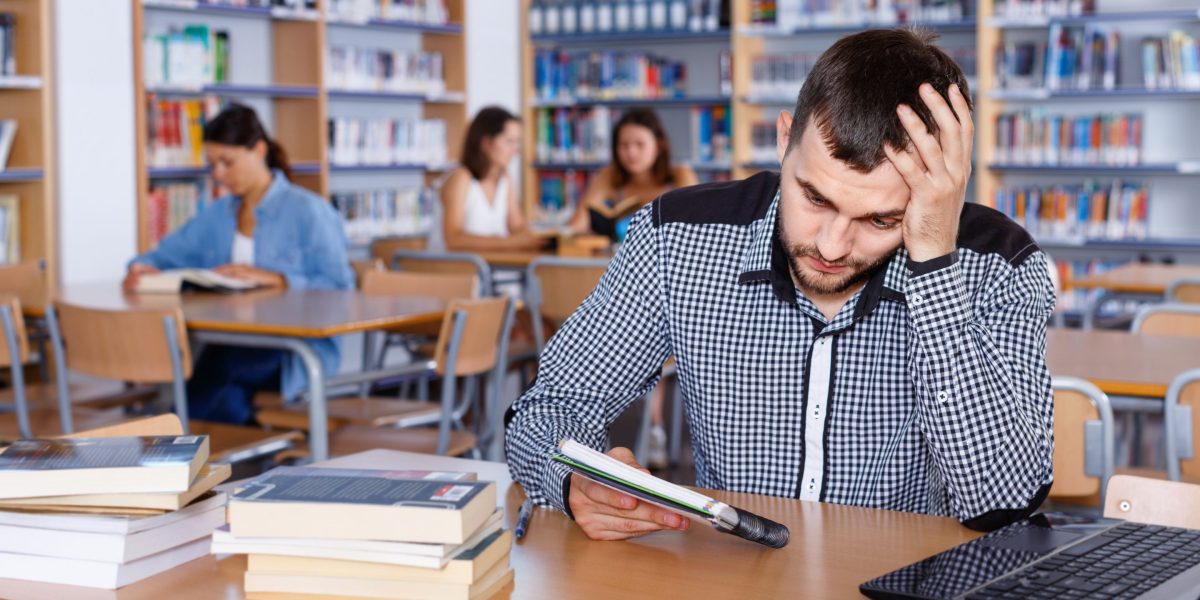
Students are struggling to read long passages
With students struggling, academics have been forced to adapt—a move critics describe as “coddling.”
For her part, Wilson has turned to reading passages aloud together, discussing them line by line, or repeatedly returning to a single poem or text over the course of a semester—in part so students can begin to develop the skills to read critically on their own and be prepared for their post-graduate career.
“I’m not trying to lower my standards,” Wilson said. “I just have to have different pedagogical approaches to accomplish the same goal.”
For Timothy O’Malley, a theology professor at the University of Notre Dame, adapting to changes in student behavior hasn’t been especially difficult. It’s always his job to tailor classes to students needs, he argued. What’s more, he said students showing up to class unprepared is nothing new.
Early in his career, O’Malley typically assigned 25 to 40 pages of reading per class —and students would either do it or admit they struggled.
“Today, if you assign that amount of reading, they often don’t know what to do,” O’Malley said—noting that many students instead just lean on AI summaries and miss the point of assigned reading.
He traces part of the problem to earlier stages of education, where reading has been framed as a means to an end rather than a pleasure or habit. Years of standardized testing, he argued, have also trained students to scan for information rather than sit with complex texts.
“They’ve been formed in a kind of scanning approach to reading,” he said—useful for navigating news articles online, but far less effective for engaging with dense novels or philosophical works.
Reading is on the decline—and it could have wide-ranging impacts
One major issue among college students isn’t hostility toward reading so much as a lack of confidence and stamina.
When professors reduce anxiety around grades, students are often willing to give the reading list a go, according to Brad East, a theology professor at Abilene Christian University.
In his course, he hasn’t changed reading length or difficulty but rather adjusted assignments in light of generative AI to stimulate real critical thinking.
“It isn’t important to me to have stress-filled cumulative exams, nor do I particularly care about grade inflation,” East told Fortune. “I want them to learn.”
The confidence issue is something that Brooke Vuckovic, a professor at Northwestern’s Kellogg School of Management, has seen among business school students. Each term, about 40-50% of her students describe themselves as novice or reluctant readers, but once they are encouraged to begin reading, she said, the shift can be immediate.
And despite Gen Z’s shift away from reading, the habit remains popular among the ultra-wealthy. A JPMorgan survey of more than 100 billionaires released last month found that reading ranks as the top habit that elite achievers have in common.
The consequences of declining literacy extend far beyond grades, classroom performance, or even future careers. Reading, Wilson said, is a way of seeing ideas from other people’s eyes—leading to increased empathy and feeling of community.
“I think losing that polarization, anxiety, loneliness, a lack of friendship, all of these things happen when you don’t have a society that reads together.”







 Politics8 years ago