
Politics
Kevin Steele drops $5 million into his campaign for CFO

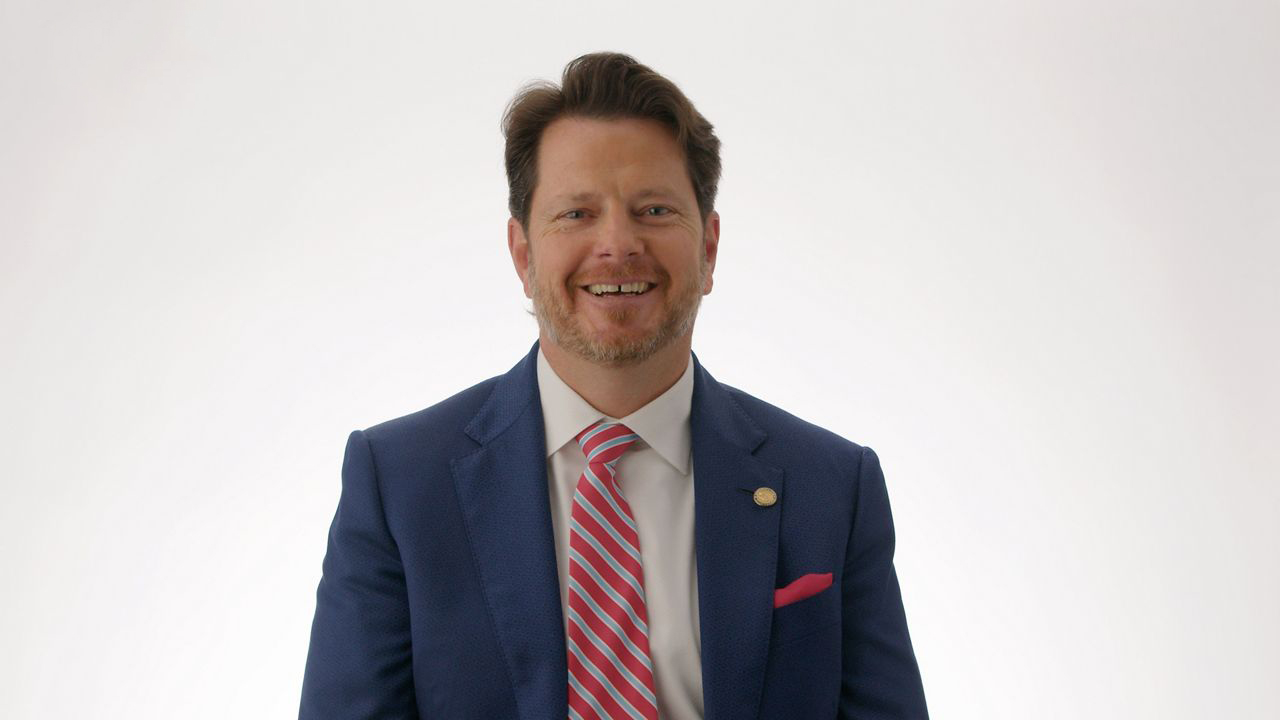
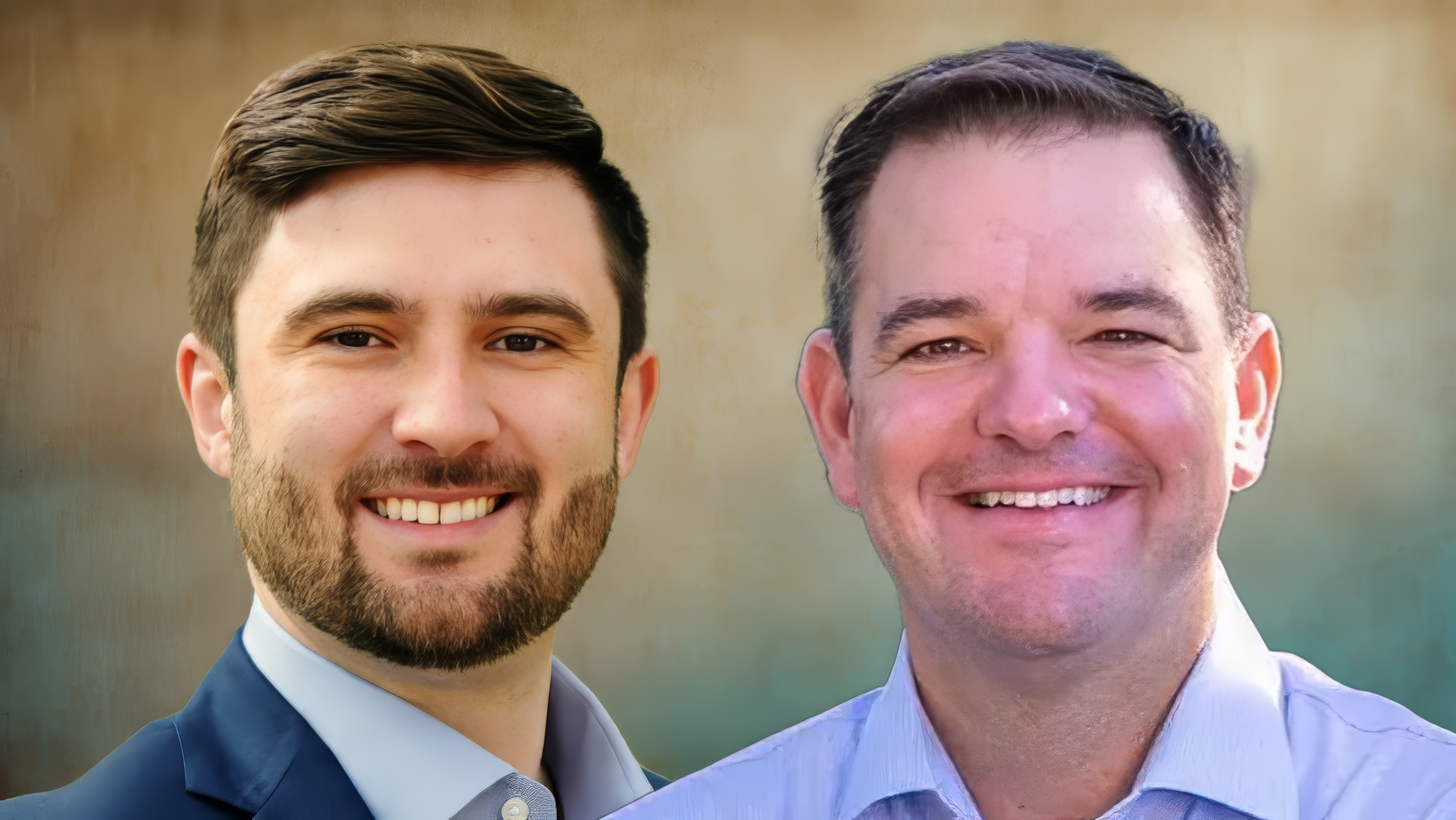
Democrat Noah Widmann has ended his challenge of U.S. Rep. Cory Mills. Instead, the lawyer is endorsing former NASA Chief of Staff Bale Dalton, who entered the race in November.
In a statement, Widmann spoke about his family as he ended his candidacy.
“I ran for Congress to deliver real, honest leadership to Central Florida. I grew up on food stamps and Medicaid, working nights to get through college and support my daughter, and throughout this campaign I’ve heard countless stories from our neighbors in this community about the economic pain they’re feeling right now,” Widmann said.
“There is no higher priority than defeating America’s most corrupt Congressman Cory Mills and flipping control of the House of Representatives to Democrats so we can finally deliver relief to the residents of this district. A contested primary only makes that harder. To that end, I spoke with Bale Dalton today about our shared desire to tackle high costs, restore recently cut health care, and secure retirement for folks in our community and I’m proud to endorse his campaign.”
Mills remains the subject of a House Ethics investigation involving accusations he profited from defense contracts while serving in Congress. It was recently expanded to include investigations of sexual misconduct. That includes allegations from girlfriend Sarah Raviani that he assaulted her in their shared Washington apartment, accusations she later recanted, and from ex-girlfriend Lindsey Langston that he threatened to share intimate photos after a breakup.
The House Ethics Committee named an Investigative Subcommittee regarding Mills’ case. That includes Republican U.S. Reps. Andrew Garbarino and Rudy Yakym, as well as Democratic U.S. Reps. Ayanna Pressley and Suhas Subramanyam.
Widmann filed to challenge Mills in May and quickly emerged as a fundraising leader in the race, outraising Mills in two consecutive quarters.
As of the end of September, Widmann had more than $197,000 in cash on hand compared to Mills’ $134,000.
Dalton, who will file his first fundraising report this month, jumped into the race touting his experience as a Navy veteran in Iraq and his work with NASA. He quickly announced the endorsement of former U.S. Sen. Bill Nelson, who served as NASA Administrator under President Joe Biden.
Now he has Widmann’s support as well.

“Bale shares the urgency of this moment and the commitment needed to win in November. I encourage my supporters to stand with him as we work together to take back the House,” Widmann said. “I’m incredibly proud of what we built together and deeply grateful to the thousands of supporters who believed in this campaign from day one.”
Dalton welcomed the support.
“I’m honored and grateful to receive Noah’s endorsement. Thank you, Noah Widmann, for your support — and for your commitment to the place we both love and call home,” he posted on X.
Florida’s 7th Congressional District is one of four GOP-held seats in Florida listed by the Democratic Congressional Campaign Committee as a “district in play.”
Dalton faces Jennifer Adams, Mills’ 2024 opponent, and fellow Navy veteran Marialana Kinter in a Democratic Primary.
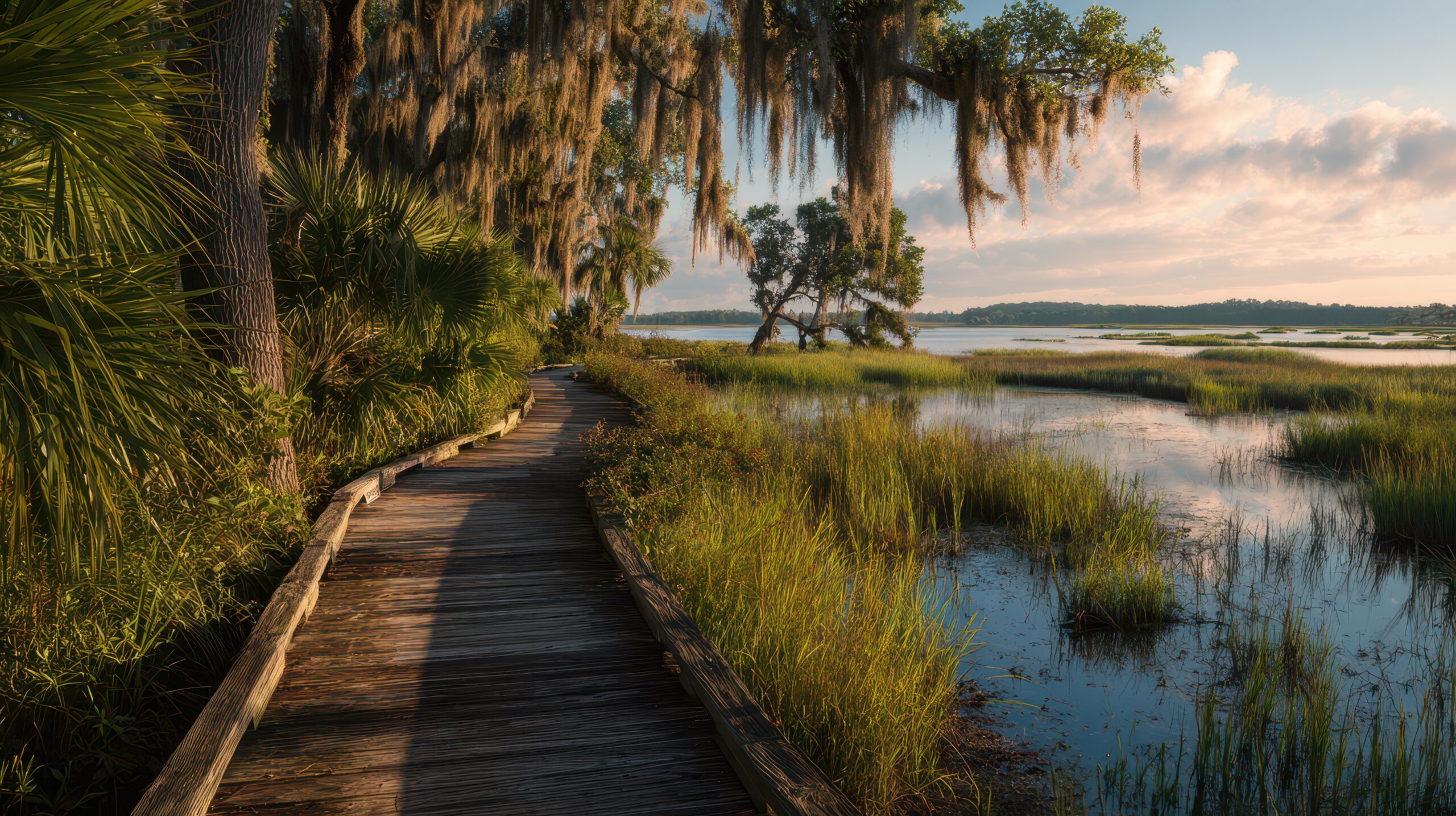
As Florida’s 2026 Legislative Session begins, the state faces another defining moment for conservation. Decisions made in Tallahassee in the coming weeks will shape Florida’s rural landscapes, food security, and long-term identity. At the center of that conversation is the Rural and Family Lands Protection Program (RFLPP) — a proven conservation tool that merits not just continued support, but expanded investment.
Since its creation in 2001, the RFLPP has preserved more than 225,000 acres of working agricultural land. These are not abstract parcels on a map. They are family farms, ranches, open pastures, and wildlife-rich landscapes that anchor Florida’s economy and heritage. Under the leadership of Agriculture Commissioner Wilton Simpson, the program has accelerated dramatically, conserving more than 158,000 acres during his tenure alone.
Those successes, however, only hint at what remains possible — and what is urgently needed. Demand from landowners far exceeds available funding. In the most recent application cycle, 223 additional landowners submitted proposals. Today, the ranked acquisition list includes 428 projects, with total demand estimated at more than $2 billion. These numbers represent real opportunities to protect the lands that feed Florida, sustain rural communities, and preserve the state’s character.
The RFLPP plays a critical role in protecting wildlife habitat and maintaining Florida’s biodiversity. Each acre conserved helps safeguard imperiled species, protect water resources, and preserve the natural systems that define the state. Much of what remains to be protected within Florida’s Wildlife Corridor is working agricultural land. Conserving these lands ensures that growth does not fracture ecosystems or erase the landscapes that connect them.
Beyond conservation, the program strengthens Florida’s agricultural economy. By offering conservation easements, the RFLPP allows farmers and ranchers to remain on their land rather than sell to development pressures. That means more local food and fiber production, stronger rural economies, and a more resilient food supply at a time when global supply chains remain fragile.

Florida is losing farmland at an alarming pace, and once it disappears, it cannot be replaced. The RFLPP remains the state’s strongest defense against that loss — but only if funding keeps pace with demand. The $250 million allocated for fiscal year 2025-26 reflects bipartisan recognition of the program’s value, yet it falls far short of meeting current needs.
Time is not on Florida’s side. Development pressures continue to intensify, and the window to protect these lands is narrowing. Immediate, decisive action is necessary to ensure future generations inherit a Florida that remains productive, resilient, and unmistakably green.
Simpson’s leadership has been instrumental in elevating the RFLPP, securing more than $700 million in state funding since 2022 and encouraging widespread landowner participation. With support from legislative champions across the state, Florida has emerged as a national leader in agricultural land conservation.
Conservation Florida remains a committed partner in this effort, working alongside landowners, government agencies, and local communities to secure high-priority lands. By advocating sustained investment in programs such as RFLPP and Florida Forever, Conservation Florida helps protect natural resources, preserve agricultural heritage, and ensure lasting benefits for future generations.
As the 2026 Legislative Session unfolds, lawmakers and citizens alike should support expanded funding for the Rural and Family Lands Protection Program. Meeting landowner demand, keeping farmers and ranchers on their land, and preserving Florida’s working landscapes are choices that will define the state’s future.
Florida’s rural heritage, food security, and environment depend on the decisions made today. Let’s keep Florida green and growing — for nature, for our communities, and for generations to come.
___
Traci Deen is CEO of Conservation Florida.
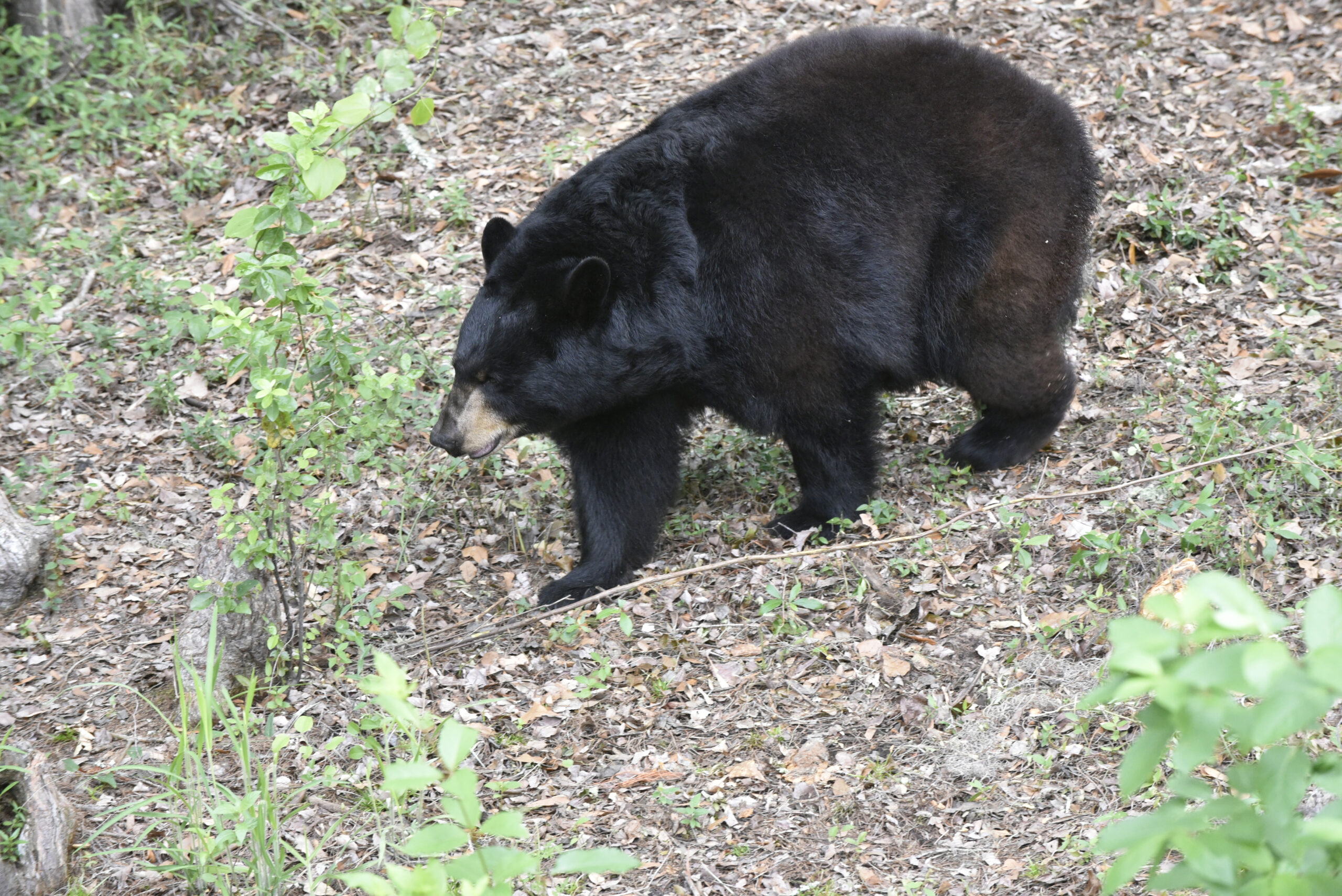
Most people who won permits to participate in the first Florida black bear hunt since 2015 came away empty-handed. Jeff Nemeth wasn’t one of them — he and his son harvested a 503-pound bear on a private plot in the Panhandle last month.
Nemeth, 57, of Inverness estimated he put in 100 hours of research to prepare and spent $4,000 to $5,000 in travel and gear fees. He plans to shell out an additional $5,000 to an Ocala taxidermist for a full-body mount of the 8-foot-3 animal.
“It’s a lifetime hunt,” he said.
Nemeth was one of 52 hunters to kill a Florida black bear out of 172 permits issued during the state’s first hunt in a decade, according to Florida Fish and Wildlife Conservation Commission figures. The controversial hunt — which took place from Dec. 6 to 28 — used a lottery system to grant permits to the limited number of hunters. Each permit holder was allowed to harvest one bear.
The Florida hunt exposed deep emotional divisions among animal rights activists and hunters. In social media forums and in dueling media interviews, the groups fiercely debated the morals and heritage of hunting, the science of bear biology and its ecosystem — arguing even about the Biblical aspects of whether God would approve.
Many animal rights activists entered the lottery to win permits with no plans to use them — only to keep them away from hunters. These activists said data the wildlife commission used to support the hunt, which showed 53% statewide increase in bear populations since 2002, was outdated because it was collected in 2014 to 2015.
For its part, the agency said Florida black bear population counts can’t be taken more frequently than the length of one generation, or 10 years. The Commission said the hunt was intended to slow bear population growth and manage the species’ numbers before they outgrow their habitat.
Florida plans to make the hunt an annual event, although details about next season’s dates have not been released. Hunter success rates and the number of unused permits will be used to evaluate 2025 data and inform future hunts, spokesperson Shannon Knowles said in an email.
“The goal was to put the permits in the hands of those who will use them for hunting,” Knowles said.
The ratio of hunting permits to bears hunted turned out to be similar to other states with similar hunt parameters, the Wildlife Commission said. It has promised a full harvest report to be released in the coming months.

Nemeth, a retiree, said he was impressed with how the Commission managed the hunt. A lifelong hunter, he moved to Florida five years ago from Michigan, where he often went bear hunting — but was never successful.
Nemeth secured a lease to hunt on private land in Eastpoint, southwest of Tallahassee and four hours north of his home. A few large, older bears had been seen on the property, scaring away deer. Nemeth scouted these “nuisance” animals for months, analyzing footage and laying out feed, before traveling with his son to make the kill in early December.
The first two days of the hunt, he said, were rainy and miserable. But the sun emerged on the third day, and he and his son, Rees Nemeth, 27, took their spots at a blind. The camouflaged structure let them observe and shoot undetected. Just before daybreak, they saw a bear come to a nearby corn pile to eat. They waited for a clean shot — and took it.
Nemeth said he plans to enjoy the dark red bear meat in stews and chilis, as well as grilled in teriyaki sauce.
“I’m not a trophy hunter,” he said. “I hunt for meat. My freezer is full of game — my two gators are in there, and I’ve got a couple pigs in there, a turkey, and we eat what we kill. And that’s how it is, you know, I think that’s the right way.”
Chuck Mitchell, 73, of Tallahassee feels differently. After spending $1,000 on lottery tickets, at $5 per entry for 200 chances, he also secured a hunting permit. But he did so to keep a bear from being killed. Each person could buy unlimited entries, although they couldn’t win more than one tag.
Mitchell has lived in Florida for 55 years and remembers the last bear hunt in 2015. No lottery system existed during that hunt; instead, the FWC sold an unlimited number of permits. The season was called off after just two days with 304 bears killed.
Although Mitchell describes himself as a hunter and fisher more than an animal rights activist, he doesn’t support what he described as killing bears for trophies. He kills only animals he can eat, he said, and bear meat can sometimes be unpalatable depending on the bear’s diet and fat content. While growing up in swampy North Carolina, he said, he would sooner kill and eat a raccoon or a possum than a bear.
He lives in Tallahassee adjacent to a nature preserve, where he often sees bears as close as 75 feet from his house. The shy animals never bother anyone, he said.
“You’re shooting something to prove you’re a big hunter,” he said. “Gun down a bear and call themselves a man.”
Not all bear hunters are men. Ashlyn Croff, 33, and her husband both entered the lottery to win a permit. She won; he didn’t. When she called to tell him, he hung up on her.
Croff has been hunting her entire life, heading out solo since she was 22 and “decided I don’t need any man to go with me.”
The Pensacola native hunted every day for 23 days to harvest a bear, occasionally letting her husband accompany her so as not to hurt his feelings. When she finally shot a 142-pound female in Wewahitchka, she was joined only by her 12-year-old son. It was one of the best experiences of her life, she said.
Croff knows the bear hunt had its critics. Like everyone who won a permit, she was offered $2,000 from Bear Warriors United, an Oviedo, Florida-based advocacy group, not to use her tag.
Although she appreciates these activists’ love for animals, she said, hunters love animals, too. Bears frequently attack her feeders and cameras, scaring off other game, like deer. That keeps her from putting sustainably caught food on her family’s table.
“While (activists are) eating their beef at home, a cow was killed for that. While they’re eating their hot dog, a little piggy was killed for that,” she said. “It’s the same exact thing, it’s just not a big, black, fuzzy bear that is so cute on all of the magazines and on TV.”
Activist Janis Ingham, 55, doesn’t eat bear, hamburgers or any other meat. The Casselberry resident has been a vegan for 38 years, a decision she made for ethical reasons. She bought 350 bear tags, winning one, out of concern that Florida’s decade-old bear counts were no longer accurate given recent development in Florida cutting into their habitats.
Ingham lives near the Black Bear Wilderness Area, a popular 7-mile hiking loop where she once spotted a bear herself. She described them as resilient, smart and social — a species to protect, not to hunt.
“This has become an awakening,” she said. “Many people … will pursue various avenues to try to put some guardrails in place so that this type of thing doesn’t have to happen again, where people have to buy lottery tickets to get a permit to try to protect a particular animal.”
Between about 40 and 50 activists won hunting permits. Unlike Mitchell, some didn’t pay the $5 required for an entry into the lottery system. Instead, they gave their names and information to large buyers who bought tickets on their behalf.
Angels in Distress, an anti-hunting nonprofit, partnered with Hurricane Pet Rescue to help people sign up and cover hunting license costs. The nonprofit’s director, Steve Rosen, told the Orlando Sentinel he spent $200,000 of his own money. Rosen declined to comment for this story, writing in all-caps via email, “Stop bothering me. You are only out for yourself, not the bears like most all media hacks.”
Levis Morales, a Broward County resident, heard about the hunt from his boss, who asked if he would be willing to sign up. He gave his information on a website, and a donor bought 300 tickets, the equivalent of $1,500, on his behalf. Morales was surprised to win a permit but proud to save a bear, he said.
Another permit winner, Karen Gray, who lives in Arizona, also gave her information to an animal rights group to buy permits on her behalf. A dog and cat rescue asked her if she would like to obtain a license so it would go unused and less bears would die, she said.
Gray declined to give the name of the rescue for fear of getting them in trouble or publicizing their plans. The rescue bought 350 tickets, costing $1,750, under her name.
“I hope it had some impact and less bears were murdered,” she said.
People from inside and outside Florida bought over 163,000 entries altogether, which would account for $817,000 in application fees alone. Out of the 172 permit winners, six came from outside the state, while the remainder were Florida residents.
The Wildlife Commission called the hunt a success. One hunter received a warning for a minor Wildlife Management Area violation, and no citations were issued, the agency said in a news release after the hunt. No wildlife violations were found.
___
This story was produced by Fresh Take Florida, a news service of the University of Florida College of Journalism and Communications. The reporter can be reached at [email protected]. You can donate to support our students here.


Harvard economist Ricardo Hausmann warns against Trump’s profit motive in rebuilding Venezuelan

Turning Point USA Won’t Reveal Super Bowl Halftime Show Performers

Noah Widmann drops out of race against Cory Mills, endorses Bale Dalton
-

 Politics8 years ago
Congress rolls out ‘Better Deal,’ new economic agenda
-
Entertainment8 years ago
New Season 8 Walking Dead trailer flashes forward in time
-
Politics8 years ago
Poll: Virginia governor’s race in dead heat
-
Entertainment8 years ago
The final 6 ‘Game of Thrones’ episodes might feel like a full season
-
Politics8 years ago
Illinois’ financial crisis could bring the state to a halt
-
Entertainment8 years ago
Meet Superman’s grandfather in new trailer for Krypton
-
Business8 years ago
6 Stunning new co-working spaces around the globe
-
Tech8 years ago
Hulu hires Google marketing veteran Kelly Campbell as CMO