
Business
Mark Zuckerberg gifted noise-canceling headphones to his Palo Alto neighbors because of the non-stop construction around his 11 homes

Business
Amazon’s Alexa chief predicts an end to doom scrolling: the next generation is ‘going to just think differently’
Business
Christmas 500 years ago was a drunken 6-week feast that may have been considerably better than the modern holiday, medieval historian says
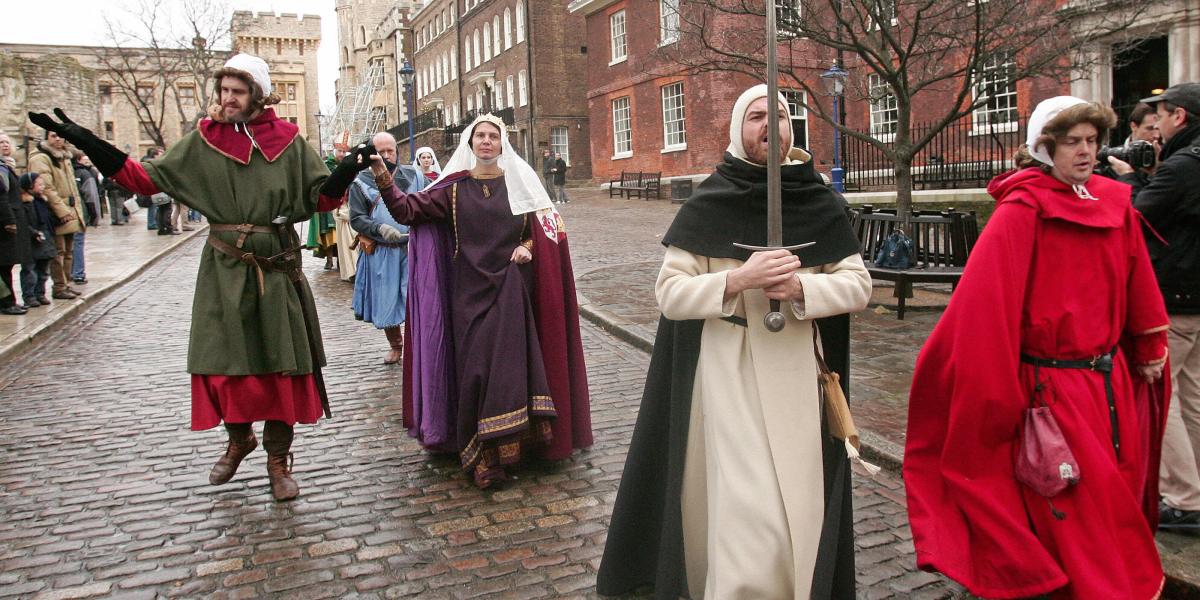
Beer and wine were major components of the meal. By our standards, peasants drank a lot, although the alcohol content of the beer and wine was lower than today’s versions. They often napped before returning to work. In the evening, they ate a light meal, perhaps only bread, and socialized for a while.
They went to bed within a few hours of darkness, so how long they slept depended on the season. On average, they slept about eight hours, but not consecutively. They awoke after a “first sleep” and prayed, had sex or chatted with neighbors for somewhere between half an hour and two hours, then returned to sleep for another four hours or so.
Peasants did not have privacy as we think of it; everyone often slept in one big room. Parents made love with one another as their children slept nearby. Married couples shared a bed, and one of their younger children might sleep with them, though infants had cradles. Older children likely slept two to a bed.

Dreaming of a medieval Christmas
Life certainly wasn’t easy. But the stretches of time for rest and leisure were enviable.
Today, many people start thinking about Christmas after Thanksgiving, and any sort of holiday spirit fizzles by early January.
In the Middle Ages, this would have been unheard of.
Advent – the period of anticipation and fasting that precedes Christmas – began with the Feast of St. Martin.
Back then, it took place 40 days before Christmas; today, it’s the fourth Sunday before it. During this period, Western Christians observed a fast; while less strict than the one for Lent, it restricted meat and dairy products to certain days of the week. These protocols not only symbolized absence and longing, but they also helped stretch out the food supply after the end of the harvest and before meats were fully cured.
Christmas itself was known for feasting and drunkenness – and it lasted nearly six weeks.
Dec. 25 was followed by the 12 Days of Christmas, ending with the Epiphany on Jan. 6, which commemorates the visit of the Magi to Jesus, Mary and Joseph. Gifts, often in the form of food or money, were exchanged, though this was more commonly done on New Year’s Day. Game birds, ham, mince pies and spiced wines were popular fare, with spices thought to help warm the body.
Though Christmas officially celebrates the birth of Jesus, it was clearly associated with pre-Christian celebrations that emphasized the winter solstice and the return of light and life. This meant that bonfires, yule logs and evergreen decorations were part of the festivities. According to tradition, St. Francis of Assisi created the first nativity scene in 1223.
Christmas ended slowly, with the first Monday after Epiphany being called “Plough Monday” because it marked the return to agricultural work. The full end of the season came on Feb. 2 – called Candlemas – which coincides with the older pagan holiday of Imbolc. On this day, candles were blessed for use in the coming year, and any decorations left up were thought to be at risk of becoming infested with goblins.
Many people today gripe about the stresses of the holidays: buying presents, traveling, cooking, cleaning and bouncing from one obligation to the next. There’s a short window to get it all done: Christmas Day is the only day many workplaces are required to give off.
Meanwhile, I’ll be dreaming of a medieval Christmas.
Bobbi Sutherland, Associate Professor, Department of HIstory, University of Dayton
This article is republished from The Conversation under a Creative Commons license. Read the original article.



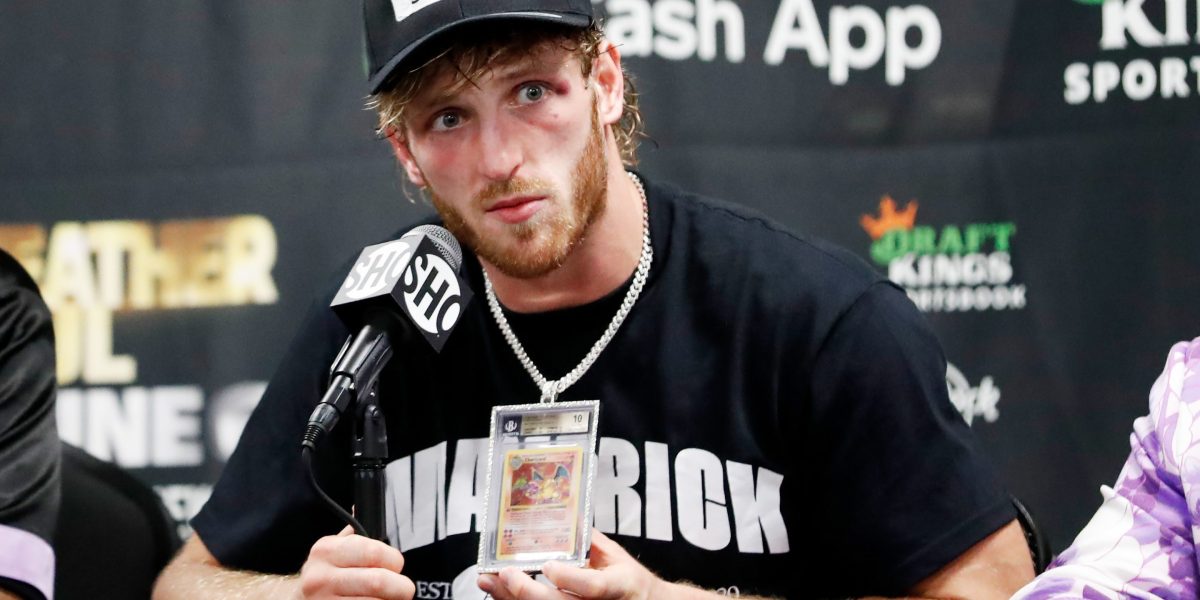
Logan Paul auctions off $5.3 million Pokémon card

Patricia Heaton Mourns ‘The Middle’ Co-Star Patrick Finn With Heartfelt Tribute

Jen Shah Makes Social Media Return, Talks Life Behind Bars
-

 Politics8 years ago
Congress rolls out ‘Better Deal,’ new economic agenda
-
Entertainment8 years ago
New Season 8 Walking Dead trailer flashes forward in time
-
Politics8 years ago
Poll: Virginia governor’s race in dead heat
-
Entertainment8 years ago
The final 6 ‘Game of Thrones’ episodes might feel like a full season
-
Politics8 years ago
Illinois’ financial crisis could bring the state to a halt
-
Entertainment8 years ago
Meet Superman’s grandfather in new trailer for Krypton
-
Business8 years ago
6 Stunning new co-working spaces around the globe
-
Tech8 years ago
Hulu hires Google marketing veteran Kelly Campbell as CMO