
Politics
Nick DiCeglie seeks flexibility, greater clarity in firefighter cancer benefits
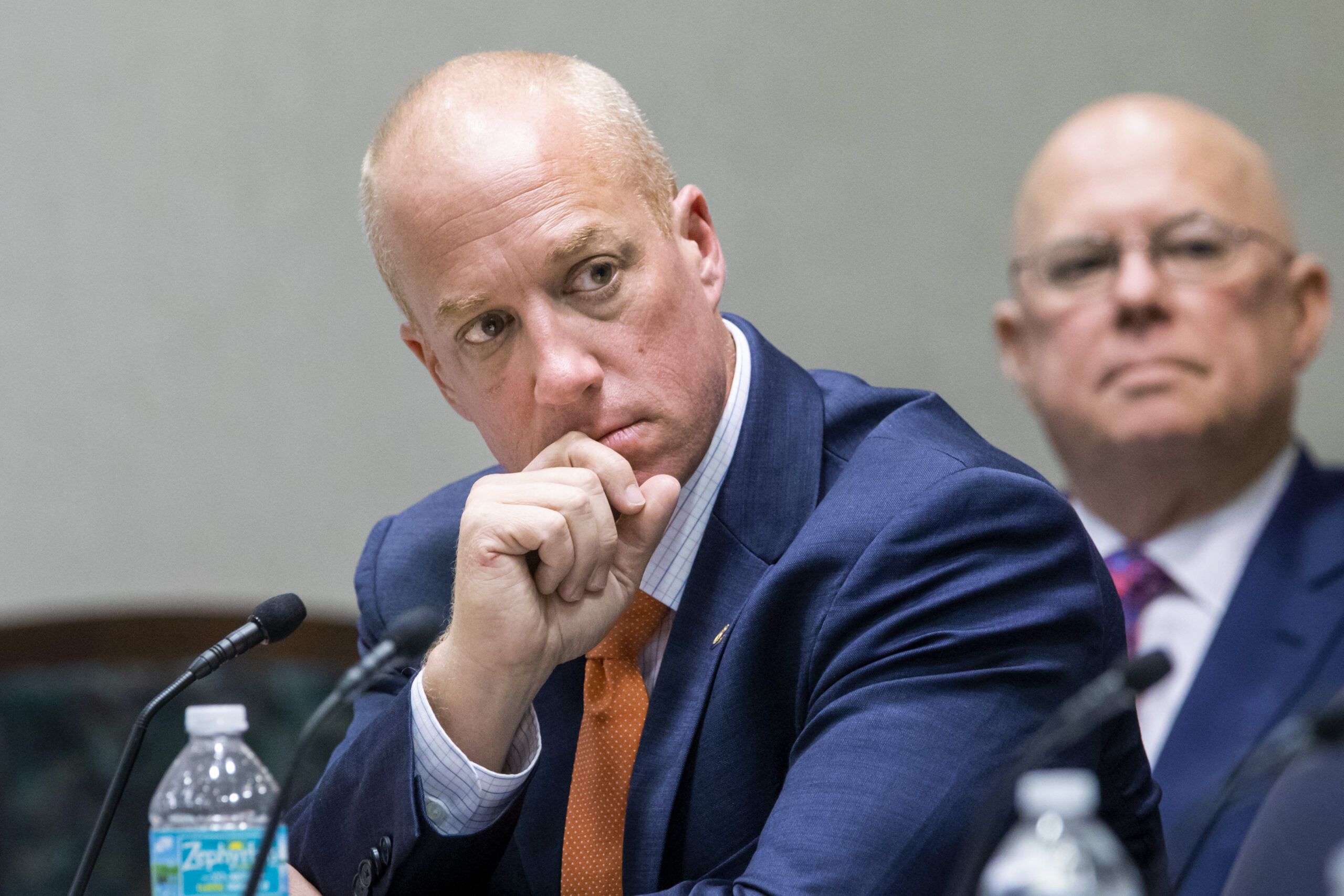
Republican Sen. Nick DiCeglie has filed legislation that would expand certain health coverage options for former firefighters who develop cancer during their tenure or afterward.
The bill (SB 984) would also clarify death benefit eligibility for those who succumb to the disease while also removing redundant language related to best practices to avoid occupational cancer in the first place.
The legislation would require an employer to make health benefits available to a former firefighter employee for 10 years after the end of their employment as long as they meet certain criteria, such as not obtaining employment as a firefighter elsewhere, having worked for the Department for at least five years, and having not smoked for the preceding five years.
The measure would remove the existing requirement for retired firefighters to remain on employer-sponsored health insurance to qualify for a one-time $25,000 benefit if they develop cancer that is deemed to have been caused by on-the-job hazards. Currently, the $25,000 is an alternative benefit firefighters, or former firefighters, can choose in lieu of pursuing worker’s compensation claims.
But to access that benefit, the person would have to remain on the Department’s employer-sponsored health plan, even if they left the job. By removing that requirement, it frees current and former firefighters to have greater options in selecting a health plan and offers benefits to employers that could reduce overall premiums.
For former firefighters who pass away as a result of cancer or complications from cancer, the bill would clarify that firefighters would remain eligible for the death benefit, which is paid to a surviving beneficiary, if they pass away within one year of terminating their employment or otherwise retiring due to a terminal occupational cancer.
The language is intended to ensure firefighters don’t feel obligated to maintain their employment to ensure a death benefit for a surviving beneficiary even if doing so becomes impossible or medically impractical. Staying on the job through a major illness, let alone a terminal one, is also a safety issue overall, as the job requires strenuous physical fitness and operational readiness.
The language does not expand who is eligible or extend the benefit to new beneficiaries; rather, it provides employers with clearer language on how to apply the benefit.
The bill would also remove the requirement from state law that the Division of State Fire Marshal adopt rules establishing employer cancer prevention best practices related to personal protective equipment, decontamination, fire suppression apparatuses and fire stations.
Such language already exists in another statute, which governs firefighter Occupational Safety and Health Administration (OSHA) standards. The language that would be amended under DiCeglie’s bill and the OSHA statute were previously identical. But a change last year amended the OSHA version, meaning the two sections were no longer in complete alignment. Removing the redundant language would not eliminate the standards.

Firefighters have a 9% higher risk of being diagnosed with cancer and a 14% higher risk of dying from cancer than the general U.S. population, according to research by the CDC/National Institute for Occupational Health and Safety.
Cancer also caused 66% of the career firefighter line-of-duty deaths from 2002 to 2019, according to data from the International Association of Fire Fighters.
DiCeglie filed the bill Friday, and it has not yet received committee assignments.
Republican Rep. Demi Busatta (HB 813) has filed companion legislation in the House. She filed hers Wednesday and it also has not yet been assigned to committee.
The proposed legislation comes after Chief Financial Officer and Fire Marshal Blaise Ingoglia last month distributed nearly $200,000 in state grants to three municipal Fire Departments to help prevent and treat cancer for first responders.
He said at the time that being a firefighter now is more dangerous than in the past, because the risk of being exposed to carcinogenic chemicals and agents has increased.