
Politics
Jerry Demings’ holiday toy drive breaks record in Orange County
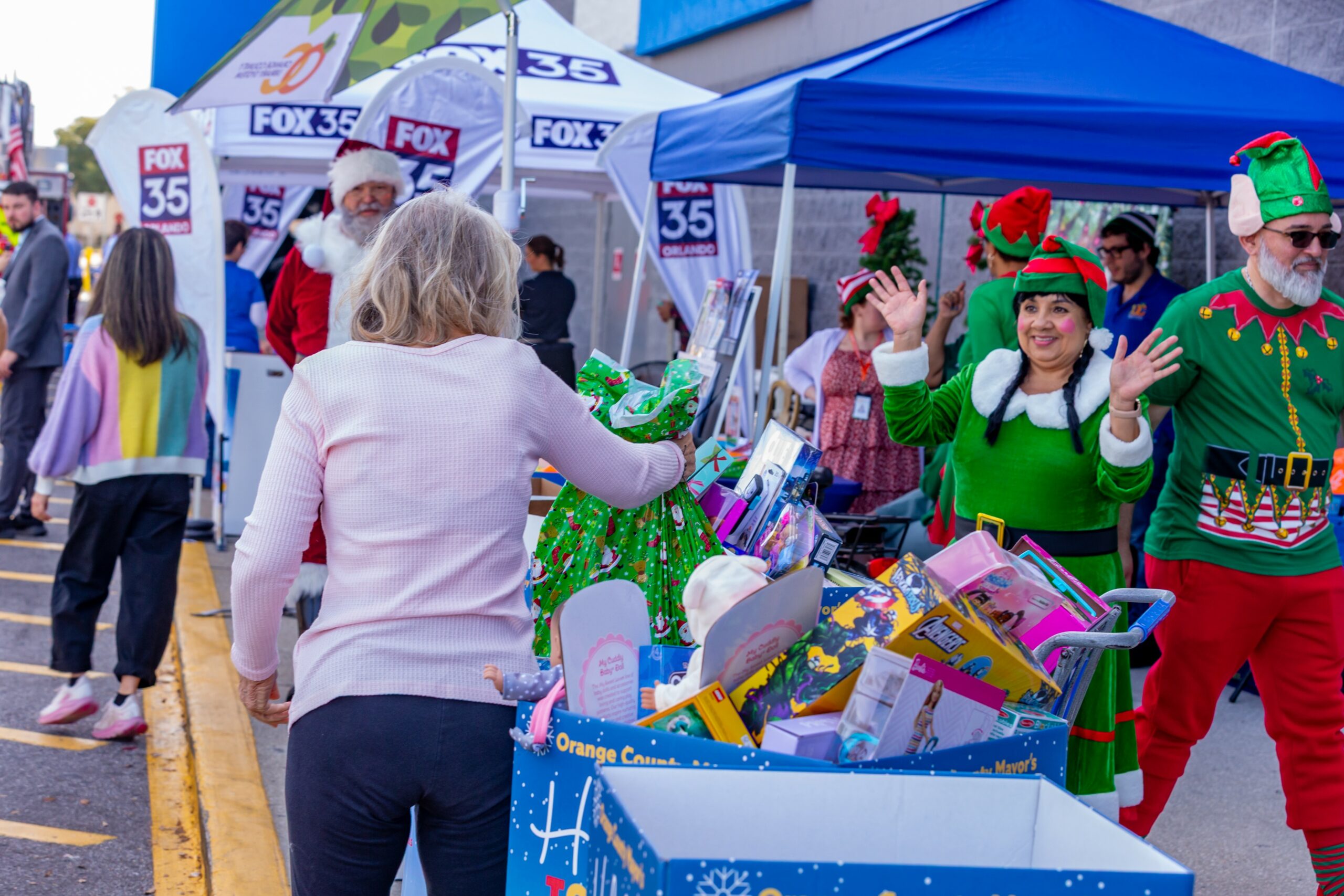
Orange County Mayor Jerry Demings’ holiday toy drive collected a record-breaking 13,076 items to help kids in need this year.
The County credited “the community’s unprecedented generosity” and a $20,000 donation from Sam’s Club for surpassing last year’s efforts, which raised nearly 11,000 toys in 2024.
“Thank you, Orange County, for coming together to support our neighbors in need,” Demings wrote on the social media platform X.
Demings played Santa and helped deliver toys to some of the families in the drive-through pickup line. With Christmas lights around his neck, Demings placed a shiny red bicycle and bags of gifts in people’s cars, according to the Orlando Sentinel, which documented the event at Barnett Park last week.
The Mayor’s annual toy drive has been a tradition for 15 years in Orange County and has collected an impressive 110,000 gifts over the years for young people, ranging from infants to teenagers.
The county is distributing gifts to Wraparound Orange, Orange County Public Schools Kids’ Closet, and local nonprofit organizations to reach families in need. People can donate in several ways: drop off toys at locations across the county, buy toys online, or attend a one-day “Shop and Drop” event sponsored by FOX 35.
“Each toy donated represents more than a gift; it’s a reminder that our community cares,” Demings said in a statement from last month. “When we come together to give, we lift spirits and bring hope to families across Orange County.”
The holiday toy drive comes with Christmas just around the corner.
For Central Florida, the festive celebrations are in full swing at the theme parks, the smaller attractions and public parks in Orlando.
And there’s extra holiday cheer in state offices since Gov. Ron DeSantis gave some state employees extra paid time off on Dec. 26 and Jan. 2, in addition to Christmas Day and New Year’s Day.
