
Politics
The ghost (students) of public school future?

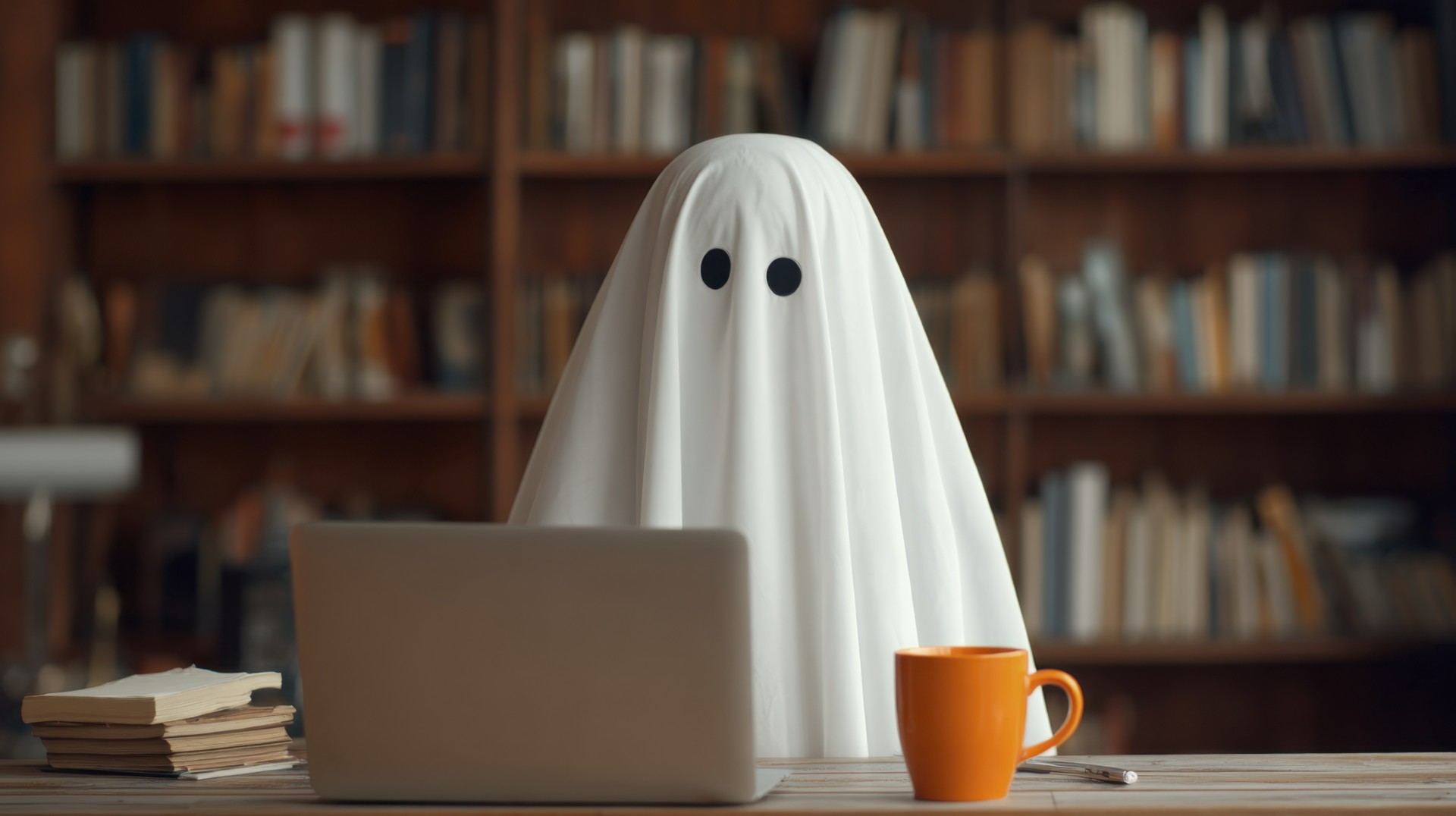
U.S. Secretary of Education Linda McMahon announced last week that her department plans to step up efforts to rid federal student aid programs of “ghost students” – fake accounts set up by fraudsters to steal financial aid funds intended for real college students.
The Secretary (obviously) deserves praise for her initiative.
But she (and others) may be alarmed to learn of a scheme to fund “ghost students” in Florida’s K-12 public education system. And it’s being pushed by some members of the Florida Legislature!
Last week, the Senate Appropriations Committee passed an education bill containing a little-noticed provision that would pay public schools for students who never show up for class or never enroll in the first place.
The provision, tucked into a bill focused on Florida’s popular school choice scholarship programs, is designed to provide stable funding to public School Districts if and when their enrollment falls short of projections.
In recent years, many School Districts in Florida – and around the country – have found themselves in such a predicament. They’ve experienced declines in K-12 enrollment, primarily due to declining birth rates.
This has made it difficult for public School Districts to maintain their existing budgets, especially now that federal COVID-19 Emergency funds under the Biden administration have expired. And it has prompted some school superintendents to try to scapegoat school choice programs for public schools’ budget woes.
Now, an unabashed critic of public schools would no doubt look at this situation and ask, “If public school enrollments are declining, shouldn’t public school funding be declining, too?” But one doesn’t have to be a public-school hater to see the folly of funding Casper and his “ghost student” friends.
Especially when there are better ways for public schools to generate new revenues.
Indeed, while some public-school leaders have been bellyaching about budgets, others have been more enterprising. They’ve decided to embrace (or at least accept) school choice as the “new normal.” And they’ve begun welcoming choice students who want to use a portion of their scholarship monies to pay for one or more “a la carte” courses offered by a public school.

These leaders recognize that public schools often have a comparative advantage in the marketplace when it comes to teaching certain courses – especially lab science courses, Advanced Placement courses, band, chorus, and the like.
And these leaders have discovered something that may not be obvious at first: By offering a la carte courses for a fee, public schools can generate new revenues from part-time students who have never been a part of Public School Past.
School choice, you see, is a two-way street. Yes, public schools can sometimes lose students who enroll in private schools. But they can also pick up new “homeschool adjacent” students who use scholarship funds to purchase a la carte courses and tutorial services from various providers. (And, who knows, some of these scholarship students may have such a good experience, they’ll elect to become full-time public-school enrollees in future years.)
To their credit, roughly half of Florida’s 67 School Districts have taken steps in the last year to offer a la carte courses to “unbundlers.” The rest would be wise to follow suit.
Moreover, public school leaders would be wise to open up another new funding stream to boost their local district revenues – namely, renting unused school buildings and classroom space to private education start-ups (much in the way that many public schools currently rent unused space on Sundays to start-up churches).
Look, it may seem odd at first for public schools to start serving part-time students – or sharing space with other educators. But the world has changed a lot since Charles Dickens penned his holiday classic, “A Christmas Carol.” And as Florida legislators seek to help local School Districts adjust to the realities of Public School Present, the last thing they ought to be doing is funding the Ghost (Students) of Public School Future.
___
William Mattox is the senior director of the Marshall Center for Education Freedom at The James Madison Institute. All four of his children graduated from public high schools.
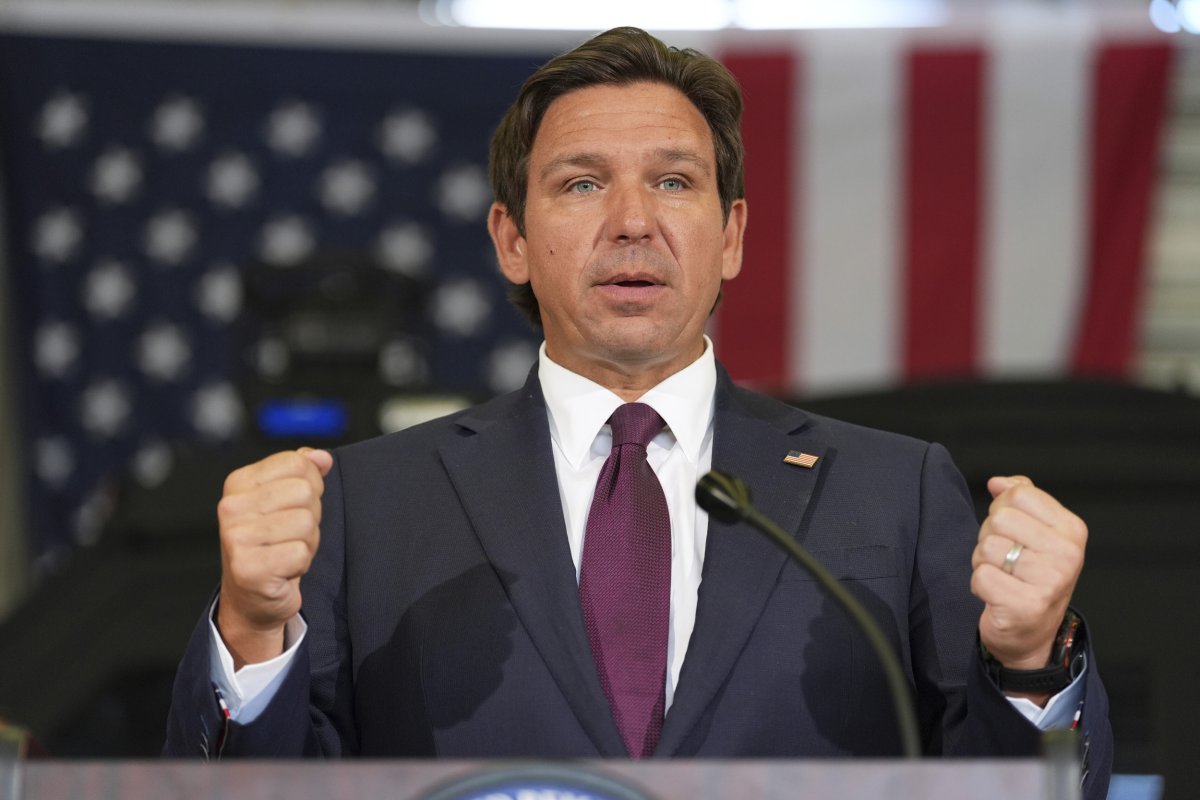
Gov. Ron DeSantis is playing Santa and giving state employees some extra holiday time off.
State offices will officially be closed on Dec. 26 and Jan. 2, per DeSantis. That’s on top of the normal days off for Christmas Day and New Year’s Day. The Governor also already gave employees off an extra day on Nov. 26.
“Our state employees have worked hard throughout the year,” DeSantis said in a press release. “I hope they enjoy additional time off with loved ones and friends this holiday season. The First Lady and I are thankful for their continued dedication to the people of Florida.”
Times have been good in the state of Florida this year: There have been no hurricanes, with the season officially ending this month, and surpluses in the budget have been used to pay off the state’s debt early.
DeSantis — and a long line of Florida Governors — have given state employees extended holiday weekends. (Private sector bosses, take note!)
For instance, for this year’s July 4 holiday, DeSantis also shut down state offices on July 3 for the 100,000 people in the State Personnel System.
Former Govs. Rick Scott and Charlie Crist also gave more time off during the holidays.
Florida employees normally get nine holidays off throughout the year: New Year’s, the birthday of Martin Luther King Jr., Memorial Day, Independence Day, Labor Day, Veterans’ Day, Thanksgiving and the Friday after, and Christmas.
However, not everyone benefits when the state offices shut down.
According to media reports, OPS, or the “part-time employees hired to fill temporary staff shortages,” won’t get the extra paid time off and are essentially furloughed.

Politics
‘Most dominant’ ever? Byron Donalds’ campaign boasts $40M, massive polling leads since launch
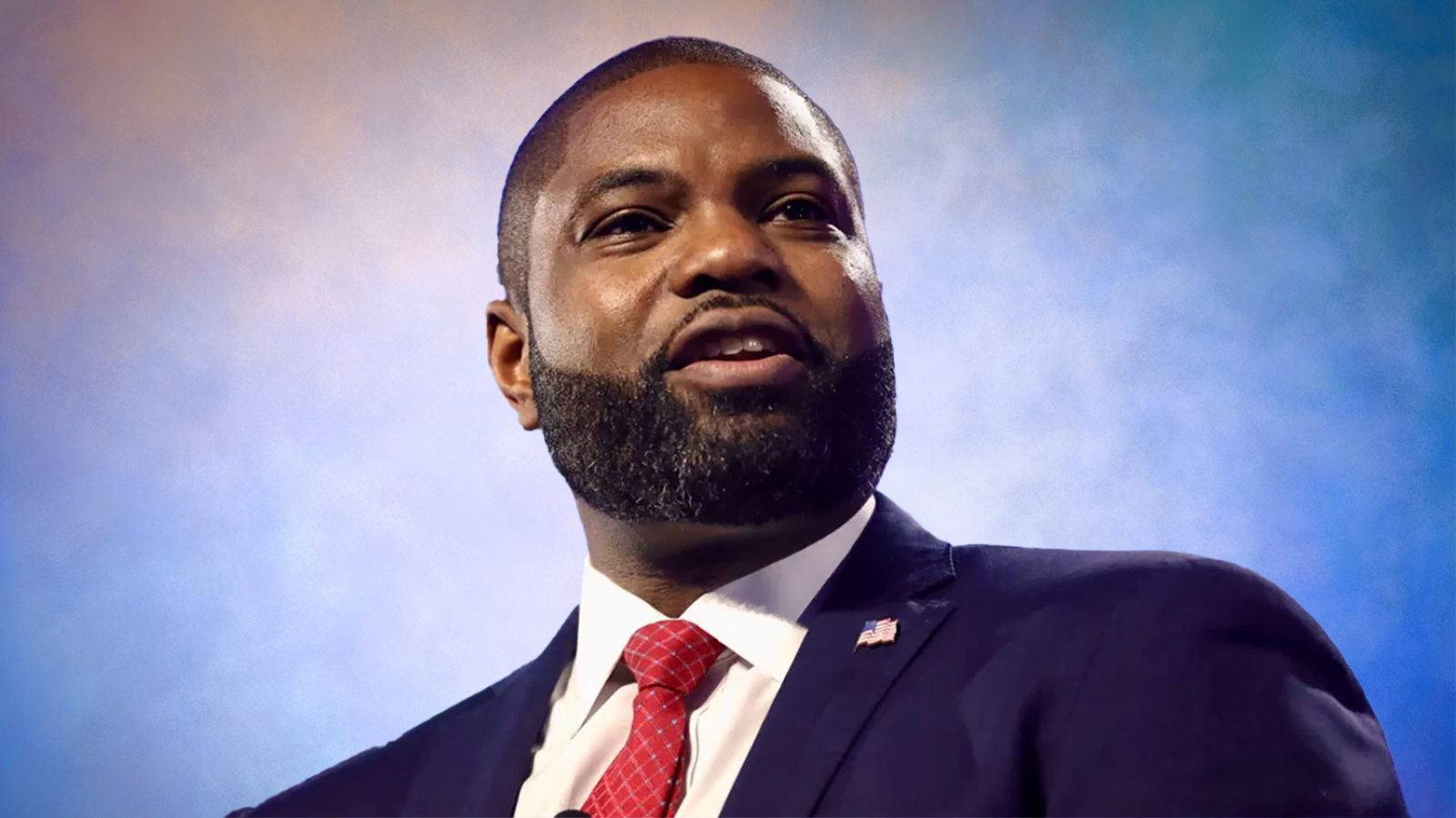
U.S. Rep. Byron Donalds’ gubernatorial campaign has reported raising $40 million since launching earlier this year.
In a memo outlining accomplishments in 2025, Rapid Loop Consulting President Ryan Smith argued the Naples Republican will enter the election year as “the most dominant gubernatorial candidate in Florida history.”
“Our campaign will serve as the tip of the spear in keeping Florida red in 2026 up and down the ballot,” Smith wrote. “Not only will our resources be effectively used to deliver a decisive victory for Byron; but they will also be invested in the voter registration and turnout efforts required to send the Democrat Party in Florida into extinction.”
Outside of money, Donalds’ campaign boasts endorsements from President Donald Trump, U.S. Sen. Rick Scott, House Speaker Mike Johnson and outsized political supporters such as billionaire Elon Musk, golf legend Phil Mickelson and, months before his political assassination, Turning Point USA founder Charlie Kirk.
The memo also notes the support of Florida Sheriffs, now 27 of them, and from 17 members of Florida’s congressional delegation and 63 total members of the U.S. House.
“Byron enjoys unmatched grassroots support from Republicans across Florida. In 2025, the campaign visited 41 counties and held 75 political events, punctuated by hour-long photo lines and homemade ‘Donalds for Governor’ swag,” Smith wrote.
A range of political polls have also shown Donalds with a major lead in the Republican Primary for Governor. Smith points to a recent poll from The American Promise that shows Donald leading with 38% to Lt. Gov. Jay Collins’ 9%, with that lead shifting to 50% to 7% if respondents were informed of Trump’s endorsement of the Congressman. Donalds also faces former House Speaker Paul Renner and Azoria CEO James Fishback in a GOP Primary.
Smith suggested that lead will only grow after Donalds’ campaign goes on air.
“These polling numbers come after allies of one potential opponent spent over $6 million statewide to boost his name ID. Sadly for that mystery donor — or donors — that multimillion investment was lit on fire,” Smith said.
“The state of the race remains unchanged, and now, the sugar high will wear off. Byron Donalds maintains a commanding lead without spending a dime on TV ads. Our lead will only increase once we do.”



Down Arrow Button Icon

‘Teen Mom’ Jenelle Evans Debuts Mommy Makeover, See Before & After Pics

AI-generated video specialist Arcads.ai raises $16 million in funding
-

 Politics8 years ago
Congress rolls out ‘Better Deal,’ new economic agenda
-
Entertainment8 years ago
New Season 8 Walking Dead trailer flashes forward in time
-
Politics8 years ago
Poll: Virginia governor’s race in dead heat
-
Entertainment8 years ago
The final 6 ‘Game of Thrones’ episodes might feel like a full season
-
Entertainment8 years ago
Meet Superman’s grandfather in new trailer for Krypton
-
Politics8 years ago
Illinois’ financial crisis could bring the state to a halt
-
Business8 years ago
6 Stunning new co-working spaces around the globe
-
Tech8 years ago
Hulu hires Google marketing veteran Kelly Campbell as CMO