Too often, we mistake proximity for presence and gathering for connection. As we stand on the threshold of a new year, facing unprecedented division, our most urgent task is not merely to occupy the same spaces, but to build durable bridges of the mind and spirit. The conversations that once echoed across front porches and hallowed grounds—from Martha’s Vineyard to the bustling tech hubs of Accra, from Marrakech to family kitchens across America, were the foundational acts of building community, or ‘common unity.’ We must reclaim this art: dialogue must once again become the infrastructure of our shared future.
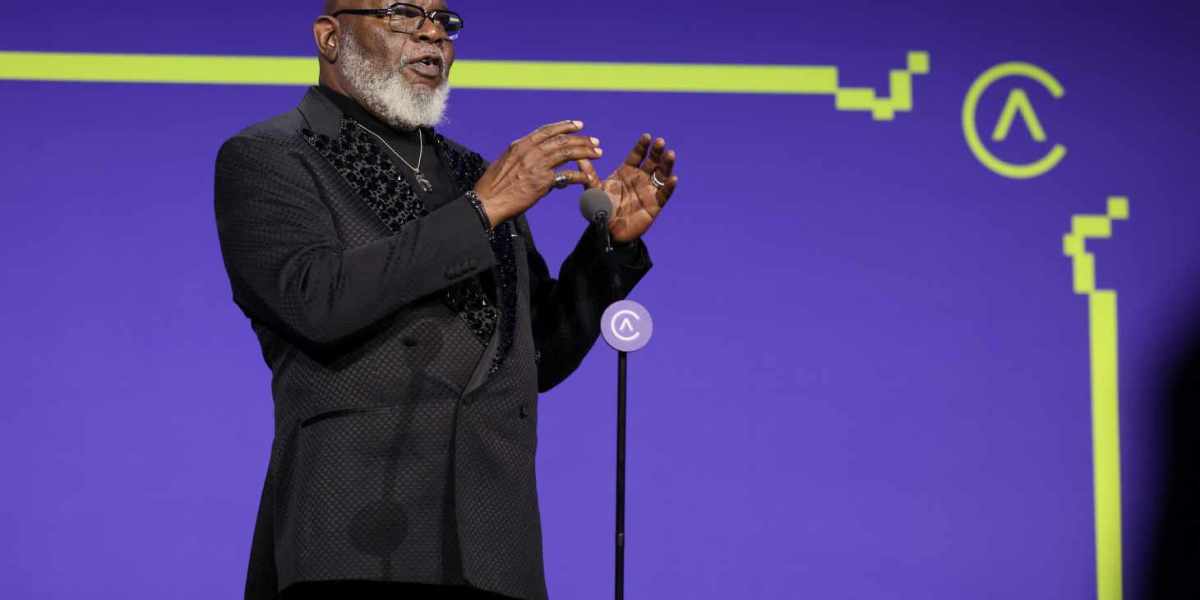
This was the spirit in which we convened The Global Exchange. Designed not as a conclave of the elite, but as a symbol of our nation’s hunger for common ground, we gathered on the historic soil of Martha’s Vineyard. We sought to model a new chapter of “common unity,” where shared purpose outweighs division. Our vision, however, extends far beyond its shores.
A New Chapter: From Potential to Partnership
By 2050, Africa will represent one in four people on Earth. The continent’s economic potential, alongside its global diaspora, positions it as a critical partner in shaping the future of innovation, labor, and influence.
This unprecedented alignment of demographic shifts and economic power presents an opportunity for collaboration that transcends borders and benefits all who engage with it. The fractures of history have long separated us. Yet silence cannot repair what was broken. We must speak across oceans, unify our faith, ingenuity, and capital. This isn’t a long-term aspiration; it’s a present-day imperative.
This is not about charity, but collaboration. It is about redefining Africa as an equal partner in global prosperity, a continent whose innovation, resources, and human capital offer solutions to challenges facing us all.
From Words to Work: The Blueprint for a Movement
At The Global Exchange, we brought together architects of change and innovators of impact, embodying principles of cross-cultural dialogue, healing, and shared purpose. These representatives wrestled with issues demanding immediate attention:
- Healing the divide of mental health and masculinity: Creating accessible, culturally competent pathways to healing.
- Expanding capital investment in Africa: Moving beyond rhetoric to concrete investment vehicles where innovation can thrive.
- Harnessing technology: Leveraging digital solutions to bridge gaps and empower communities.
- Reclaiming real estate: Strategically investing in initiatives that generate returns and build community.
Year-Round, Worldwide: The Digital Bridge to Action
The work cannot be seasonal, nor can it be confined to an island. History teaches us that the most powerful movements are built through sustained, open-hearted dialogue—the kind that once happened on front porches and in sacred gathering places. Our ancestors understood that community was not built in grand gestures alone, but in the patient, persistent work of conversation.
The spirit of The Global Exchange lives on in platforms like our conversational podcast, NXT Chapter with T.D. Jakes. It is a digital extension of those front porches on the Vineyard—a space where vital conversations about our shared future continue. It is an invitation to everyone, everywhere, to participate in building a global community. Whether you’re an entrepreneur in Lagos, a student in Atlanta, or a leader in London, this is your front porch too.
We stand at a crossroads where our collective power can either dissipate into empty rhetoric or crystallize into a force altering the trajectory of nations. As we look toward 2026, let the lesson be that our greatest deficit is not economic, but relational. Our resolution must be to close that gap, to invest in the currency of connection, and to build the infrastructure of empathy. This is the work of our time, our call to common unity, and the next chapter we must write together.
The opinions expressed in Fortune.com commentary pieces are solely the views of their authors and do not necessarily reflect the opinions and beliefs of Fortune.