Connect with us

Business

Disney plus OpenAI: What could go wrong?

Published

on


Hello, Alexei Oreskovic pitching in for Allie today. Well folks, this week had it all: A new OpenAI model, reports of an upcoming SpaceX IPO, and even a Waymo baby! And to top it all off, OpenAI and Disney announced a surprise partnership that will include a $1 billion investment in OpenAI and enable OpenAI users to create AI-generated videos with Mickey Mouse and hundreds of other Disney characters.

The 3-year deal is a huge win for OpenAI (all the more so given that Disney simultaneously sent a cease-and-desist letter to Google, accusing the internet giant and OpenAI arch-rival of infringing its IP via its AI systems on a “massive scale”). The question is: Why is the Mouse House rolling out the red carpet for the ChatGPT maker? 

You don’t need a lot of imagination to guess the sordid scenarios that await Disney’s family-friendly cast of characters now that the tortured souls of the internet will have carte blanche to feed them into the AI nightmare machine. There will be safeguards in place to prevent Mickey and friends from doing drugs, fornicating, and engaging in other unseemly or illegal behavior, a source told the Wall Street Journal. And I’m sure absolutely no one will figure out how to bypass those guardrails.

Entertainment businesses need to stay ahead of the trends and make sure they’re relevant to the next generation of consumers, of course. So hooking up with OpenAI is an obvious way for a company to stay connected with the kids. But if there’s any company that would seem in less immediate danger of losing the kids, it’s the company with The Lion King, The Little Mermaid, Donald Duck, and Iron Man. 

This will certainly be an interesting adventure to watch. And perhaps Disney’s deal with OpenAI will prove prescient and astute. I just hope Donald can hold his liquor.

See you Monday,

Alexei Oreskovic
X:@lexnfx
Email:
alexei.oreskovic@fortune.com
Submit a deal for the Term Sheet newsletter here.

Joey Abrams curated the deals section of today’s newsletter.Subscribe here.

Venture Deals

Harness, a San Francisco-based AI-powered platform designed to ship code faster, raised $240 million in Series E funding. GoldmanSachs led the round and was joined by IVP, MenloVentures, and UnusualVentures.

Port, a Middletown, Del.-based AI agent designed to handle some software developer tasks, raised $100 million in Series C funding. General Atlantic led the round and was joined by Accel, BessemerVenturePartners, and Team8.

Serval, a San Francisco-based developer of AI agents designed for IT processes, raised $75 million in Series B funding. Sequoia led the round and was joined by Redpoint, Meritech, FirstRound, and others.

Medra, a San Francisco-based AI platform designed to accelerate data generation for scientists, raised $52 million in Series A funding. HunanCapital led the round and was joined by LuxCapital, Neo, NFDG, and others.

RelationalAI, a San Francisco-based enterprise decision intelligence platform, raised $22.5 million in funding from SnowflakeVentures and AT&TVentures.

HavenEnergy, a Los Angeles, Calif.-based solar and home battery tech company, raised $15 million in Series B funding. GiantVentures led the round and was joined by CaliforniaInfrastructureBank, CarnriteVentures, ChaacVentures, ComcastVentures, and LererHippeau.

Neosapience, the San Francisco-based developer of the Typecast platform for creating voice and video content designed to have emotional intelligence, raised $11.5 million in Series C funding. Intervest led the round and was joined by HBInvestment, K2Investment, and BokwangInvestment.

Skydo, a Bangalore, India-based payments platform for global exporters, raised $10 million in Series A funding. SusquehannaAsiaVentureCapital and ElevationCapital.

Subsense, a Palo Alto, Calif.-based developer of non-surgically invasive, nanoparticle-based brain-computer interfaces, raised $10 million in funding from GoldenFalconCapital.

Kilo, a San Francisco-based open source coding agent, raised $8 million in seed funding. CotaCapital led the round and was joined by Breakers, GeneralCatalyst, QuietCapital, and TokyoBlack.

OnMe, a San Francisco-based digital gifting platform, raised $6 million in seed funding. NFX led the round and was joined by existing investors LererHippeau and Focal.

Cyphlens, a New York City-based enterprise security platform, raised $3.8 million in seed funding from SalesforceVentures, MotivateVentures, DCG, ex/ante, and CambrianVentures.

Conveyd, a London, U.K.-based AI conveyancing platform, raised $3.3 million in seed funding. Eka Ventures led the round and was joined by PortfolioVentures and existing investor FoundersFactory and angel investors.

Realm.Security, a Boston, Mass.-based security data pipeline platform, raised $2 million in funding from PresidioVentures.

Private Equity

LongRidgeEquityPartners acquired a majority stake in OnCorpsAI, a Boston, Mass.-based agentic AI platform designed for fund operations, for $55 million.

Aretum, a portfolio company of RenovusCapitalPartners, acquired VeteransEngineering, a Rockville, M.D.-based IT modernization, cybersecurity, and cloud architecture company for mission-critical government programs. Financial terms were not disclosed.

Rentsync, backed by SilversmithCapitalPartners, acquired Spacelist, a Vancouver, Canada-based real estate listing marketplace. Financial terms were not disclosed.

Exits

PerimeterSolutions agreed to acquire MedicalManufacturingTechnologies, a Charlotte, N.C.-based provider of medical manufacturing solutions, from ArclineInvestmentManagement for $685 million.

ExperiGreenLawnCare, backed by WindPointPartners, acquired TurfMastersBrand, a Roswell, Ga.-based lawn care company, from CenterOakPartners. Financial terms were not disclosed.

Funds + Funds of Funds

SwishVentures, a Tel Aviv, Israel-based venture capital firm, raised $100 million for a new fund focused on companies in cybersecurity, infrastructure, and AI.

People

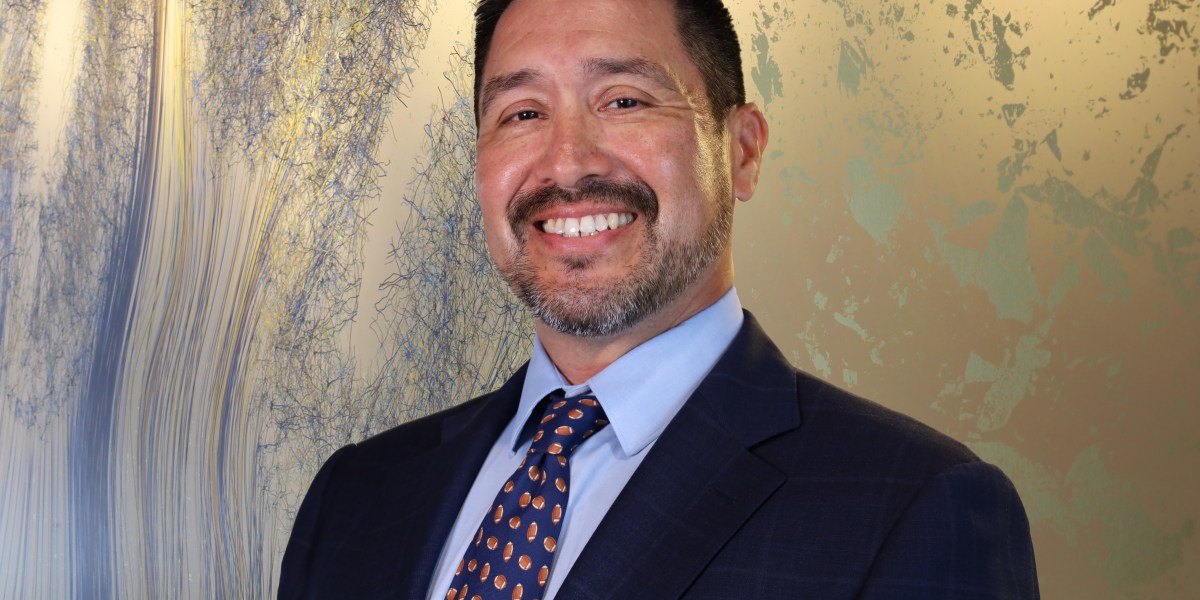
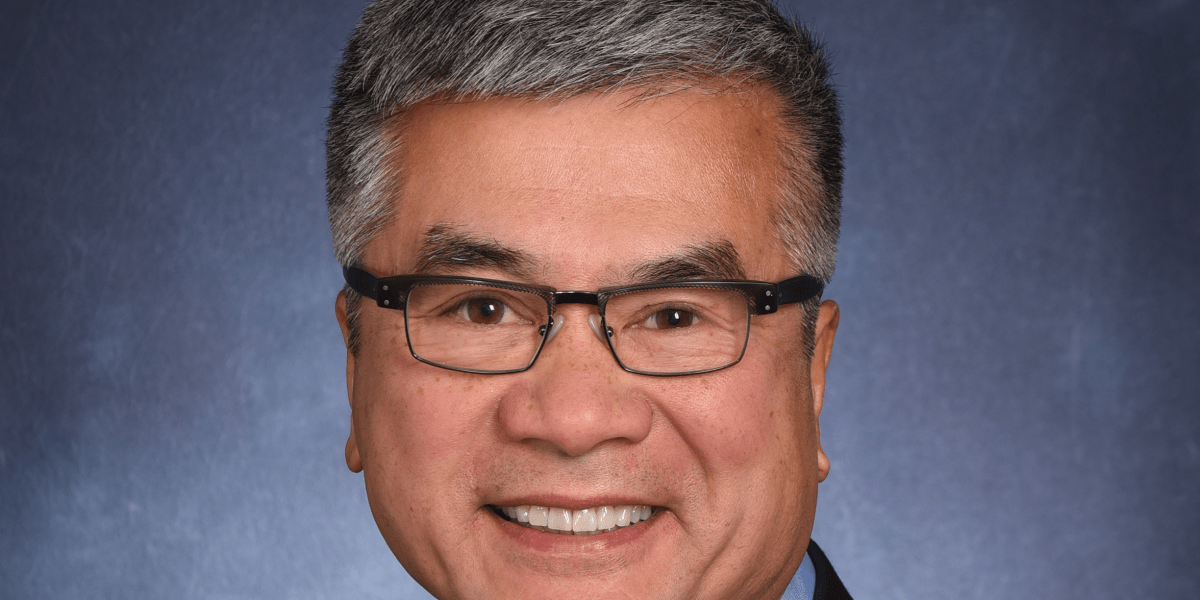
CoreInnovationCapital, a Los Angeles, Calif.-based venture capital firm, hired Michael J. Hsu as venture partner. He most recently served as Comptroller of the Currency.


Source link

Continue Reading

Business

Former ambassador: China is winning the biotech race. Patent reform is how we catch up

Published

on


The United States is at risk of losing one of the most important technology races of the 21st century: biotechnology. A 2025 report from a bipartisan, congressionally chartered commission warns that China is closing in on a win, and the United States has only a narrow window to respond.

The report, released by the National Security Commission on Emerging Biotechnology, offers dozens of recommendations, ranging from increasing federal investment and expanding domestic manufacturing to reducing reliance on Chinese suppliers and improving interagency coordination. But one issue receives too little attention. If the United States wants to compete, it must restore trust in the intellectual property rights that enable inventors to turn bold ideas into revolutionary products.

Patents make high-risk innovation financially viable. They allow startups to protect their discoveries, attract capital, and grow. Without reliable patent rights, promising research gets shelved — or picked up and advanced abroad.

This isn’t theoretical. The United States led past waves of innovation — like the explosion of biotech startups after the Bayh-Dole Act of 1980 and the 19th-century surge of invention that brought us the telephone and automobile — precisely because it backed inventors with clear, enforceable IP rights.

In biotech, the stakes are higher. The field is transforming how we treat disease, grow food, and manufacture everything from chemicals to advanced materials. And with artificial intelligence accelerating discovery, the pace is exponential. As the Commission notes, tools like AlphaFold from GoogleDeepMind can now model hundreds of millions of protein structures in days, a task that once took years.

China saw this future coming. For more than two decades, it has treated biotechnology as a national strategic priority, pouring money into research, building vast biomanufacturing capacity, and acquiring foreign IP through both legal and illicit means.

Today, Chinese firms produce many of the ingredients U.S. drugmakers rely on. According to the Commission, nearly 80% of American drugmakers depend on Chinese contractors for part of their supply chain.

In a crisis, that kind of reliance could leave Americans without access to critical medicine. The Commission outlines a scenario in which Chinese researchers develop a breakthrough cancer therapy and withhold it during a crisis over Taiwan.

Supply chains collapse. Doctors ration care. The White House faces an impossible choice: hold the line on foreign policy or secure access to lifesaving medicine.

The situation is fictional, but the threat is real.

It doesn’t stop there. The report warns that if China stays on its current path, it could soon control the biological data, manufacturing platforms, and AI tools driving the next generation of industrial and defense technologies.

When innovation stays on U.S. soil, so do the jobs, data, and supply chains that protect our citizens. If the technologies that define the future are instead developed under adversarial regimes, the United States risks dependence on foreign powers not only for products but for strategic capabilities. Falling behind wouldn’t just cost the United States market share. It would endanger national security and global influence.

The Commission is right to emphasize the need for a stronger domestic biotech sector. But efforts to achieve that goal will fall short unless we fix the foundation that enables innovation in the first place.

That foundation, our IP system, is under serious strain. Over the past decade, court decisions have blurred the boundaries of what qualifies for patent protection — what is “patent eligible” — especially in medical diagnostics, synthetic biology, and AI-enabled research.

And even when patents are granted, protecting them has become harder. A little-known administrative body called the Patent Trial and Appeal Board (PTAB) lets big corporations repeatedly try to invalidate competitors’ patents, forcing startups into expensive and drawn-out legal battles.

At the same time, a 2006 Supreme Court decision made it harder for courts to issue legal orders called injunctions — which stop infringers from continuing to use others’ inventions — even in cases of clear wrongdoing.

These trends have a chilling effect. Investors hesitate to fund science unless they can count on the underlying IP rights. In biotech, where it can cost billions of dollars and more than a decade to develop a single product, that hesitation can kill entire pipelines of innovation.

The good news is that Congress has tools to change course. Three bipartisan proposals in the House and Senate would help. One bill would restore clarity to patent eligibility standards. Another would reform PTAB procedures to curb duplicative challenges to patents. A third would make it easier for courts to block infringers by issuing injunctions.

Together, these reforms would reduce uncertainty, restore balance, and make the United States a more attractive place to innovate and invest.

We still have significant advantages: world-class research institutions, deep capital markets, and a free market that rewards bold ideas. But as the Commission warns, our lead is slipping — and time is short. To stay ahead in the race for biotech dominance, we need to fix the IP system that makes American innovation possible.

The opinions expressed in Fortune.com commentary pieces are solely the views of their authors and do not necessarily reflect the opinions and beliefs of Fortune.

Join us at the Fortune Workplace Innovation Summit May 19–20, 2026, in Atlanta. The next era of workplace innovation is here—and the old playbook is being rewritten. At this exclusive, high-energy event, the world’s most innovative leaders will convene to explore how AI, humanity, and strategy converge to redefine, again, the future of work. Register now.


Source link

Continue Reading

Business

Fists, not football: There is no concussion protocol for domestic violence survivors

Published

on


It’s fall in America, and that means football. With football comes questions and concerns about concussions in athletes. How long does it take to fully recover from a concussion? What happens if an athlete returns to play too soon after a concussion? How many concussions are too many?

But it’s not just sports where concussions occur. The most common cause of concussion in NCAA athletes is a car accident. The most common cause of a concussion overall is a fall. And a hidden demographic of people experience brain injuries at an alarming rate: domestic violence survivors.

Every minute, 32 people in the United States experience violence at the hands of an intimate partner. Roughly half of American women and 40% of American men will experience domestic violence at least once in their lives. Most incidents go unreported. One study found that just one in five victims sought medical help immediately after suffering a head injury. Nearly all these injuries involve a blow to the neck or head. 

Current research indicates that more than 75% of domestic violence survivors suffer one or more traumatic brain injuries. In my experience, the most common response to the question, “How many concussions have you suffered,” is “Too many to count.” 

On any given Sunday, you will see up to 30 medical professionals standing on the sidelines of a professional football game. At a high school game, you are likely to see paramedics within eyesight of the players on the field. There are no medical providers who stand outside the home of domestic violence survivors waiting for an injury to occur. There is no concussion protocol for those who are abused.

In addition to repeated impacts to the head, domestic violence survivors often suffer strangulation, being choked, resulting in decreased oxygen to the brain, loss of bladder and bowel function, seizures, and sometimes death.

The long-term consequences of repeated concussion and strangulation include sleep disturbancedizzinesspersonality changes, and memory problems. The most common complaint of a domestic violence survivor who suffers one or more concussions is headaches. One silver lining is that these symptoms are treatable.

Thanks to widespread education and awareness campaigns, athletes have benefited from a sea change in how brain injuries are recognized and treated. We need to bring that same standard of care to survivors of domestic violence by establishing a concussion protocol tailored to their needs.

We must ensure domestic violence survivors receive concussion screenings when they reach the doctor’s office or emergency department — regardless of whether they exhibit clear signs of a traumatic brain injury. New technologies can make brain injury screening simple and accurate. 

Diagnostic tests, like Abbott’s Alinity i TBI test, can help providers evaluate people for traumatic brain injuries with a small blood sample, by measuring two blood biomarkers in the brain. We recently implemented this testing capability at the WVU Rockefeller Neuroscience Institute. We’re one of the first to adopt the brain injury test, where results come back in just 18 minutes. That quick turnaround is especially useful in situations where a provider may have limited time with a survivor who is hesitant to seek medical care. Finally, we must offer everything we provide to athletes: cognitive screening, concussion rehabilitation, and VIP treatment.

At the WVU Rockefeller Neuroscience Institute in Morgantown, we design a comprehensive, tailored treatment plan for each patient, which may also include psychiatry, physical rehabilitation, and speech and vision therapy. Personalized approaches like this one help resolve subtle, lingering problems and prepare patients to protect their brain health after they check out of the hospital. Survivors of domestic violence are our VIPs.

Society has rightly taken steps to ensure athletes receive top-notch treatment whenever they experience a traumatic brain injury. Survivors of domestic violence are every bit as deserving of that level of attention and care.

The opinions expressed in Fortune.com commentary pieces are solely the views of their authors and do not necessarily reflect the opinions and beliefs of Fortune.


Source link

Continue Reading

Business

FAA head hasn’t sold his stake in an airline despite promises to do so, Democratic Senator claims

Published

on


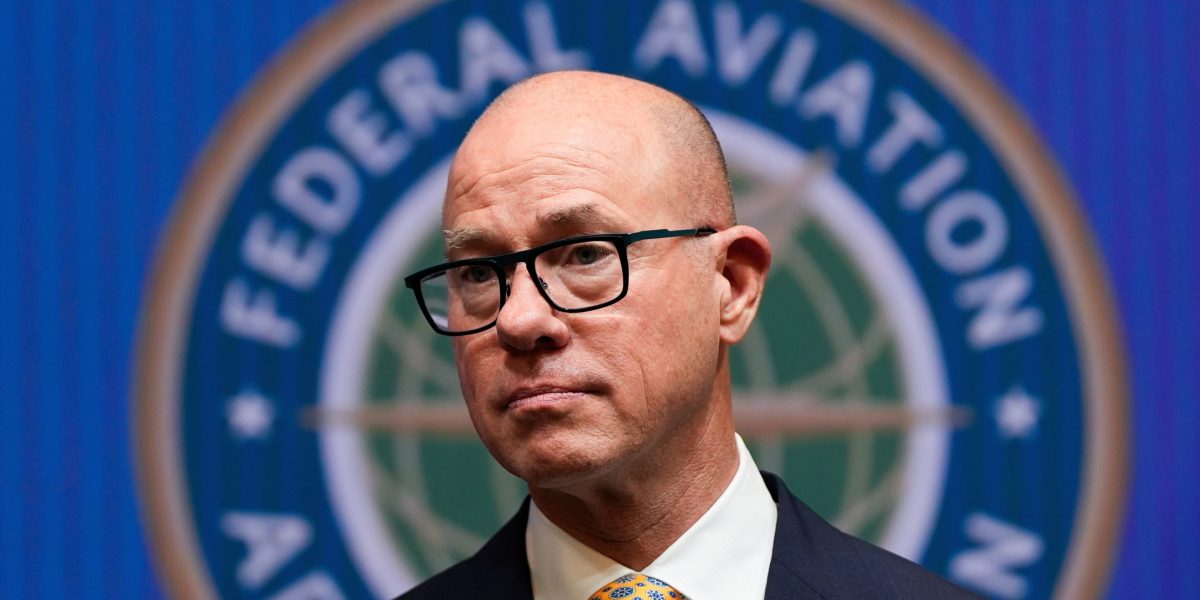
The head of the Federal Aviation Administration has not sold off his multimillion-dollar stake in the airline he led since 1999 despite a promise to do so as part of his ethics agreement, according to a Democratic senator.

In a letter to Bryan Bedford this week, Sen. Maria Cantwell said he vowed to sell all his shares in Republic Airways within 90 of his confirmation but 150 days have now passed. In Bedford’s financial disclosures, he estimated that his Republic stock was worth somewhere between $6 million and $30 million.

Republic completed a merger last month with another major regional airline, Mesa Air Group. Republic’s stock closed Thursday at $19.02, nearly double what it was before the deal was announced in April.

“It appears you continue to retain significant equity in this conflicting asset months past the deadline set to fully divest from Republic, which constitutes a clear violation of your ethics agreement. This is unacceptable and demands a full accounting,” Cantwell said in the letter.

Bedford declined a request for comment, and an FAA spokesperson said he plans to respond directly to Cantwell.

The agency has been in the spotlight since January, when an airliner collided with an Army helicopter over Washington, D.C., killing 67 people. The investigation has already highlighted shortcomings at the FAA, which failed to recognize an alarming number of close calls around Reagan National Airport in the years beforehand.

Then, in the spring, technical problems at the center that directs planes into New Jersey’s Newark Liberty International Airport highlighted a fragile and outdated system relied on by air traffic controllers.

And in the fall, a longstanding shortage of controllers led to thousands of flight cancellations and delays during the longest government shutdown ever as more controllers missed work while going without a paycheck.

Bedford has pledged to prioritize safety and upgrade the nation’s outdated air traffic control system. Congress approved $12.5 billion for that project, and last week the FAA picked the company that will oversee the work.

Join us at the Fortune Workplace Innovation Summit May 19–20, 2026, in Atlanta. The next era of workplace innovation is here—and the old playbook is being rewritten. At this exclusive, high-energy event, the world’s most innovative leaders will convene to explore how AI, humanity, and strategy converge to redefine, again, the future of work. Register now.


Source link

Continue Reading

Trending

Copyright © Miami Select.