
Politics
TGH’s John Couris puts Florida on the map in Modern Healthcare’s 100 most influential
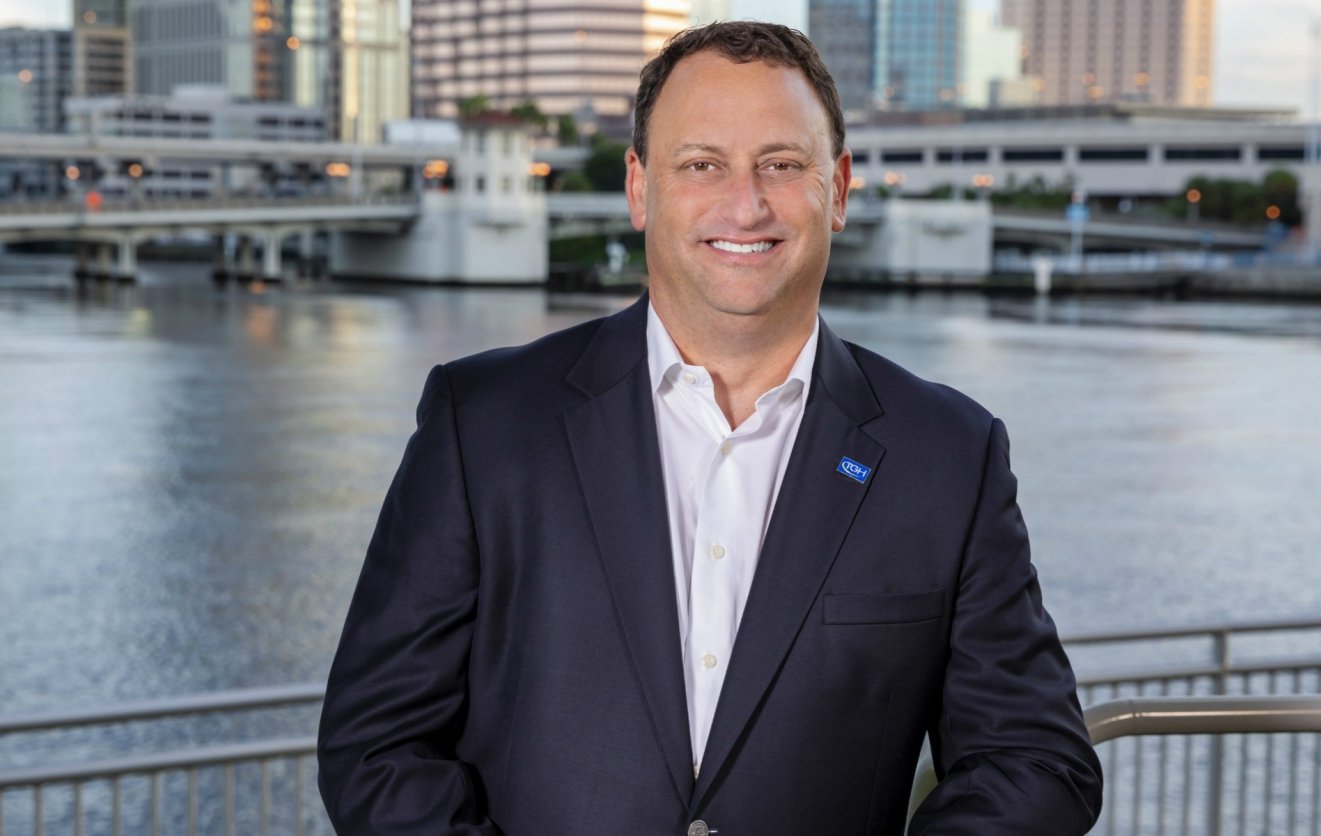
Tampa General Hospital (TGH) CEO John Couris has made Modern Healthcare’s list of the 100 most innovative and prominent health care leaders in the nation.
The annual Modern Healthcare Power 100 is one of the industry’s most highly regarded accolades. It recognizes executives, health care leaders and policymakers for their impact in breaking down barriers, advancing innovations and elevating quality of care.
Couris is widely known as a transformative leader in health care. He partners and collaborates with organizations across sectors and from all over the world, while leading an ever-growing, integrated academic health system in partnership with the USF Health Morsani College of Medicine that includes more than seven hospitals, powered by approximately 15,000 team members and providers.
“John’s vision and commitment to excellence have positioned Tampa General as a leader not only in Florida, but nationally,” said Drew Graham, chair of the Florida Health Sciences | Tampa General Hospital Board of Directors. “His ability to unite innovation, quality and compassion is transforming health care delivery and improving lives across the communities we serve, and more broadly by setting new standards for the industry to follow.”
Under Couris’ leadership, Tampa General has expanded its geographic footprint while at the same time enhancing its quality of care and patient experience.
Through strategic acquisitions and innovative partnerships, Tampa General is now a comprehensive network of hospitals, which includes a specialized rehabilitation hospital and a behavioral health teaching hospital, as well as outpatient centers, urgent care clinics, virtual health services and TGH at Home, TGH’s hospital at home program.
The integrated academic health system’s quality and safety performance rank among the top 30% of academic medical centers nationally, as measured by Vizient.
“I am deeply honored to be recognized among this group of visionaries, representing a multi-disciplinary group of professionals who are relentless in advancing health care excellence, driving innovation and improving health outcomes for the people we serve across the country,” Couris said. “Together, we are proving that by advancing cutting-edge research, ensuring the best possible education for the next generation of health care professionals and delivering personalized and compassionate care, we can transform the future of health care in Florida and beyond.”
Couris is active in advocacy on the state and federal levels, having helped shape health policy, including the At HOME Services Act and the Live Healthy Act. In partnership with the state, Couris established Florida’s first behavioral health teaching hospital. He also was appointed to Florida’s Health Care Innovation Council by former Senate President Kathleen Passidomo.
Couris is cementing Florida’s reputation as a global destination for world-class health care. with the creation of the Tampa Medical & Research District (TMRD). The district, anchored by Tampa General and USF Health, is an intersection of premier clinical care, exceptional academics, cutting-edge medical research and innovative life sciences and biotechnology companies. The TMRD fosters collaboration and innovation by providing access to educational opportunities and promoting new career pathways, advancing health care research and driving economic growth.

Couris is the only health system leader in the state of Florida to receive the best-in-class honor from Modern Healthcare.