Connect with us

Business

82-year-old CEO grew a $7.8 billion fortune from company shares—now she’s selling stock to charity and signed Bill Gates’ pledge to give away 99%

Published

on


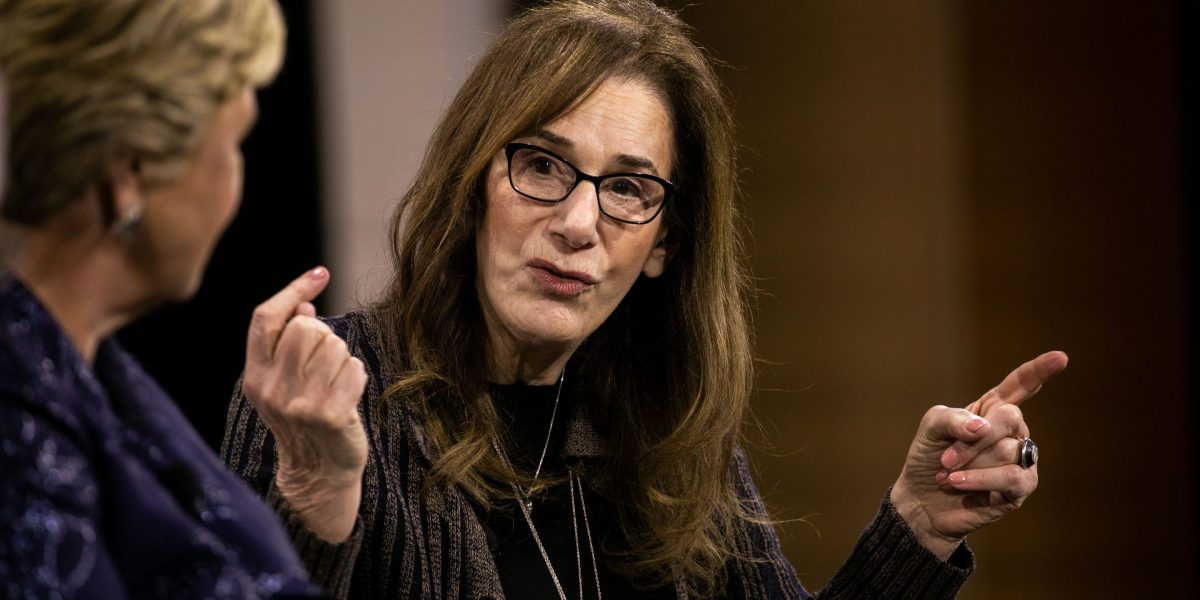
CEOs with major controlling stakes in their billion-dollar companies have the power to make themselves richer and richer, but one 82-year-old tech leader isn’t cashing in for herself. Judy Faulkner, the CEO of Epic Systems, has been selling her nonvoting shares back to the company—and redirecting the profits elsewhere.

“I’ve never cashed a single share for myself,” Faulkner recently told CNBC.

On paper, Faulkner is worth $7.8 billion, thanks to her 43% stake in Epic. The health software firm is one of the largest private tech players in the U.S., pulling in $5.7 billion in annual revenue. But the CEO, a member of the Silent Generation, isn’t looking to grow her nest egg. In fact, she’s trying to get rid of it. 

In 2015, Faulkner signed the Giving Pledge (a philanthropic organization helmed by Bill Gates and Melinda French Gates) and dedicated to give away 99% of her wealth to charitable causes. The Epic leader told CNBC she is pouring the profits from her stock sales to Roots & Wings, a family foundation she launched with her husband that provides grants to nonprofits that support low-income children and families. 

In 2020, Roots & Wings granted $15 million to 115 organizations around the U.S. focused on the health, education, and well-being of families, and last year Faulkner’s foundation estimated it would give $67 million to 305 organizations, according to Forbes. But the Epic CEO is determined to off-load more of her wealth faster, steadily increasing giving rates until Roots & Wings reaches its goal of $100 million every year as early as 2027. To manage the massive outflow of her money from selling Epic shares, Faulkner set up a trust to govern the stock sell-back process in order to not destabilize the company. 

Only nine of the 256 billionaires who signed the Giving Pledge are actually following through with their promise.

Fortune reached out to Epic Systems for comment.

Monthly ‘work church’ meetings and grammar lessons in themed Epic buildings 

While billionaire interest in signing the Giving Pledge has waned in recent years as many CEOs, including Elon Musk and Jeff Bezos, hoard their fortunes, Faulkner is marching to the beat of her own drum. And that’s not the only way she’s defying conventional leadership in the tech world. The CEO described as a “female cross between Bill Gates and Willy Wonka” by UMass Memorial Health leader Eric Dickson is bringing play and grammar lessons to her 14,000 employees.

Epic Systems’ massive 1,670-acre campus in Wisconsin is nothing like the futuristic or modern headquarters of other billion-dollar Silicon Valley tech companies. 

Each of the 28 buildings on the company’s sprawling campus has a fantastical theme, ranging from The Wizard of Oz and Alice in Wonderland to the Harry Potter franchise. They’re then grouped into mini campuses, including Prairie Campus, Wizards Academy, and Storybook Campus, with the offices designed by architecture business Cuningham, which also worked on the Disney theme parks. 

The grounds are adorned with a metal wizard standing guard of a castle, chocolate chips leading to a fake chocolate factory, and a hanging bridge that leads to a tree house. And inside, the rooms are filled with tchotchkes and paintings that Epic employees help source with Faulkner at local arts fairs.

And once a month inside Epic’s underground auditorium, called Deep Space, the business holds a mandatory staff meeting. According to CNBC, some employees jokingly call the get-together “work church,” when executives run through Epic’s business news and targets. But Faulkner also likes to throw a twist in the typical boring all-hands meeting by having a grammar lesson, teaching language lessons like when to use “who” or “whom.” 

Other companies with unique offices and unconventional meeting philosophies 

Epic Systems isn’t the only company with an office setup unlike most others. 

Nonprofit health care provider Wellstar Health System doesn’t try to keep workers happy with Ping-Pong tables and beer on tap. The Fortune 500 company’s offices include “wellness rooms,” complete with massage chairs, relaxing music, and healthy snacks to keep its 28,000 workers happy. The offerings have proved popular with employees, as turnover fell by 10% in 2024.

Understood, a nonprofit that provides resources to people and families who are neurodivergent, designed its office specifically for the employees who work there and the clients it serves. Its space has something for everyone; one side of the floor has traditional white overhead lighting, while the other side has more muted yellow lighting. The office also has different zones with designated thermal controls, so employees can work in the temperatures they prefer. Also, staffers with hearing impairments were factored into the equation, as the floor has an assistive listening system that connects to their cochlear implants.

And other CEOs don’t like their meetings to be so buttoned-up, just like Faulkner. Amazon founder Bezos thrives in chaos; the tech leader said he only wants “crisp documents” and “messy meetings” that go in all different directions. Bezos encouraged his workers to show the “ugly bits” of decision-making in these meetings—and despised the conversations being “rehearsed” ahead of time. 

“I’m very skeptical if the meetings are not messy,” Bezos said at the 2024 New York Times DealBook Summit.

Introducing the 2025 Fortune Global 500, the definitive ranking of the biggest companies in the world. Explore this year’s list.


Source link

Continue Reading

Business

Robinhood launches staking for Ethereum and Solana in ongoing crypto expansion

Published

on


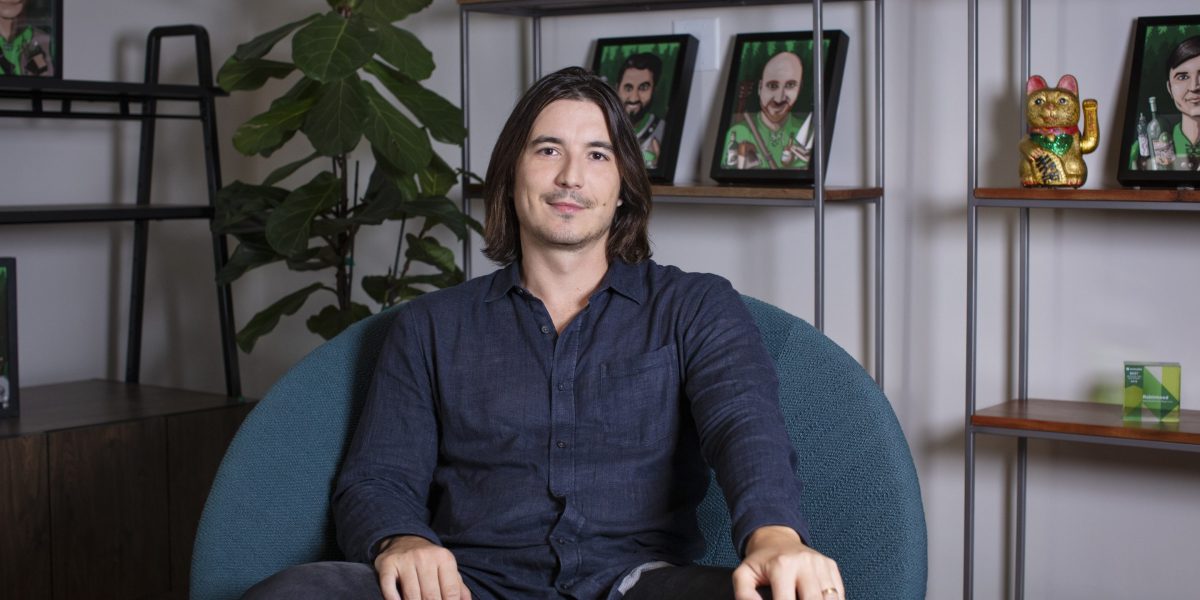
Robinhood is doubling down on crypto offerings. The trading app will launch staking for Ethereum and Solana in New York starting on Tuesday, according to the company, allowing customers to earn yield on cryptocurrency. 

The company will let customers stake in New York and plans to expand across the country. “We’re proud of the momentum we’ve seen with staking and especially excited that staking is now available to customers in New York, which has one of the most rigorous regulatory frameworks in the country,” wrote Johann Kerbrat, senior vice president and general manager of Robinhood Crypto, in a note to Fortune

Staking has been part of the crypto universe for nearly a decade, rewarding users who lock up a stash of tokens in order to help operate a blockchain network. But uncertainty over its legal status has meant it has been mostly experienced crypto users who have engaged in it using their own wallets.

In 2023, the exchange Kraken agreed to pay $30 million to settle allegations that it broke the Securities and Exchange Commission’s rules by offering staking. Robinhood’s launching of crypto stakes reflects a looser regulatory environment under President Donald Trump’s administration. 

“These crypto enhancements are strategic chess moves positioning Robinhood for the anticipated transformation of financial infrastructure through blockchain technology and tokenization—particularly with the regulatory clarity we expect under the current administration,” said Caydee Blankenship, senior equity research analyst at CFRA Research. 

Robinhood also announced a push into global crypto markets. In Europe, it will add perpetual futures contracts on several coins, and it will also enter the Indonesian market, as it agreed to buy a brokerage and crypto platform in the country. 

Robinhood is not new to crypto, as users on the platform have been able to trade Bitcoin and Ethereum since 2018. However, the company has beefed up its crypto arm this year. In June, Robinhood completed a $200 million acquisition of Bitstamp, the world’s longest-running crypto exchange. Crypto transactions accounted for more than 21% of the company’s revenue, as of last month’s earnings report. 

Robinhood’s expansion of their digital assets could help them challenge other crypto exchanges, according to Romeo Alvarez, research analyst at William O’Neil. “Robinhood is stepping up its efforts to compete on a global basis with larger trading platforms like Coinbase, Binance, OKX, and Kraken,” he said.  

The last few days have seen other big banks vie for staking. On Friday, BlackRock filed for a stake Ethereum ETF, the iShares Ethereum Staking Trust (ETHB). The Wall Street giant already has an Ethereum ETF (ETHA), but that one does not have staking components. 


Source link

Continue Reading

Business

Amazon robotaxi service Zoox to charge for rides in 2026, with ‘laser-focus’ on transporting people, not deliveries, says cofounder

Published

on


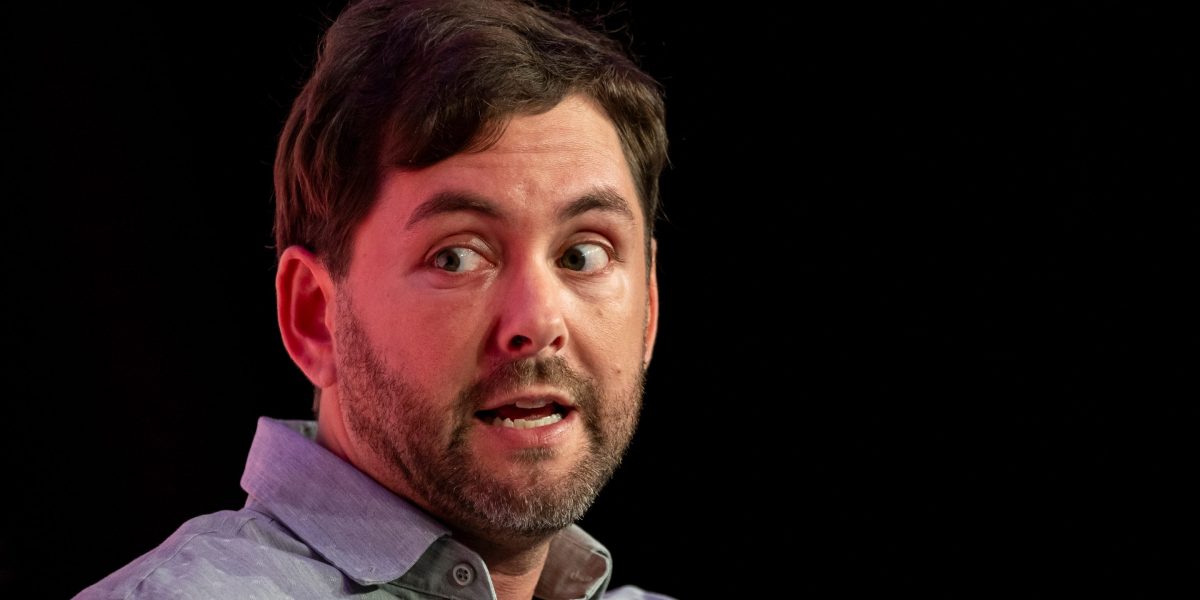
Amazon’s self-driving robotaxi subsidiary, Zoox, expects to start charging passengers for rides in Las Vegas in early 2026, with paid rides in the San Francisco Bay Area coming later next year, a company executive said Monday.

The move, which would represent a key milestone for Zoox as it seeks to catch up with Alphabet’s Waymo, depends on obtaining federal regulatory and state approvals, Zoox Co-founder and chief technology officer Jesse Levinson told the audience at Fortune’s Brainstorm AI event in San Francisco on Monday.

And while robotaxi rival Waymo recently partnered with DoorDash to test food deliveries with driverless cars, Levinson said that Zoox is “laser focused” on moving people around cities, an addressable market he sees as being “just profoundly huge.” That directive has come “all the way from the very top” at Amazon, he added, despite the retailer’s significant interest in driverless package delivery.

“It’s harder to move people around than packages in terms of what you have to do with your vehicle,” Levinson said. On the other hand, automating package delivery is rife with its own challenge because the boxes have to get in and out of the vehicle, which isn’t as straightforward as people who can move themselves, he added.

Zoox crossed the 1 million mile technical threshold for autonomous rides just last week, Levinson said. The company’s distinct, carriage-seated vehicles, which have no steering wheels or manual controls, currently provide rides to passengers free of charge in portions of Las Vegas and Zoox is slowly opening up the waitlist to use the service in San Francisco.

Despite the progress and the plans to start charging fares, Zoox won’t generate revenues that are meaningful to Amazon, its $2.4 trillion parent company, for at least several more years, Levinson said. 

“This is pretty expensive,” said Levinson. “Over the next few years, it will start to be a really interesting business because the revenue you can generate from the robotaxi is quite a bit more than the expense to run robotaxi.”

That’s the point at which the business will become more “financially interesting,” he added.

Building cars without human drivers in mind

While creating a driverless robotaxi service comes with various challenge, Levinson believes it will ultimately be a key method for moving people around dense urban areas.

“Our view is that people aren’t doing this, not because it’s not a good idea, but because it’s just really hard,” said Levinson. “It takes a lot of time, it’s very cross functional, and it’s expensive. But I do think over time this is going to be a much more popular way of human transportation”

One of the gaps between a driverless robotaxi service like Zoox and Waymo, said Levinson, is in the way the cars are built. Rather than retrofitted vehicles that were manufactured with a human driver in mind, Zoox cars were built to be driverless. Levinson said the four-passenger cabins have carriage seating, active suspension, individual screens for each seat, and four-zone climate control. 

“The cars that have been designed over the last 100 years are for humans,” Levinson said. “All the choices, their shape, their architecture, what components they have in them—they were all designed for human drivers.” Levinson said Zoox offers a more cushy, social rider experience that he thinks will be a differentiator among competitors like Waymo and potentially Tesla’s robotaxi fleet. 

Another competitive element for Zoox is its battery, said Levinson. The bigger battery is more environmentally and economically friendly because it requires less charging.

“The economic opportunity and the opportunity for customers [as we] create this whole new category of transportation is actually much more exciting and even more financially compelling than simply taking something they do today and saving a bit of money,” he said.


Source link

Continue Reading

Business

What’s the top concern among billionaires? Not a financial crash or debt crisis. It’s tariffs

Published

on


Money can’t buy you love, but surely billions of dollars ought to be enough to insulate you from global uncertainty and provide some peace of mind, right? Maybe not.

According to the latest UBS Billionaire Ambitions Report, which surveyed superrich clients around the world, only 1% said, “I am not worried about any economic, market, or policy factors negatively impacting the market environment over the next 12 months.”

Meanwhile, the most widely cited concern by billionaires was tariffs, with 66% saying it will most likely harm market conditions over the coming year. Close behind was “major geopolitical conflict” at 63% and policy uncertainty at 59%.

And while Wall Street is worried about soaring U.S. debt, other sovereign borrowers, and AI hyperscalers issuing more bonds, a comparatively low 34% of billionaires flagged a debt crisis as the biggest thing keeping them up at night.

Other risks that are top-of-mind elsewhere but were lower on the list for billionaires were global recession (27%), a financial market crisis (16%), and climate change (14%).

To be sure, UBS pointed out there are regional differences in what billionaires are worried about. For example, 75% of billionaires in the Asia-Pacific region cited tariffs, compared with 70% in the Americas citing higher inflation or major geopolitical conflict.

That’s as President Donald Trump’s trade war has hit China and Southeast Asia with steep duties, while Japan and South Korea face lower but still historically high tariffs.

On the other end of the trade war, importers in the U.S. are passing along some tariff costs to American consumers, who are increasingly anxious about high prices and affordability.

In fact, Trump’s tariffs may actually cool inflation for the rest of the global economy while keeping price pressures sticky at home.

The president and the White House insist costs are lower, but the consumer price index has seen its annual rate accelerate steadily since Trump’s “Liberation Day” shocker in April.

Of course, billionaires are not as bound by international borders as most, making any regional differences among them more fluid.

The UBS report found 36% have relocated at least once, with another 9% saying they are considering it. The top reasons given were seeking a better quality of life (36%), geopolitical concerns (36%), and the ability to organize tax affairs more efficiently (35%).


Source link

Continue Reading

Trending

Copyright © Miami Select.