
Politics
$50M revolving loan program zapped, managed care contracts extended
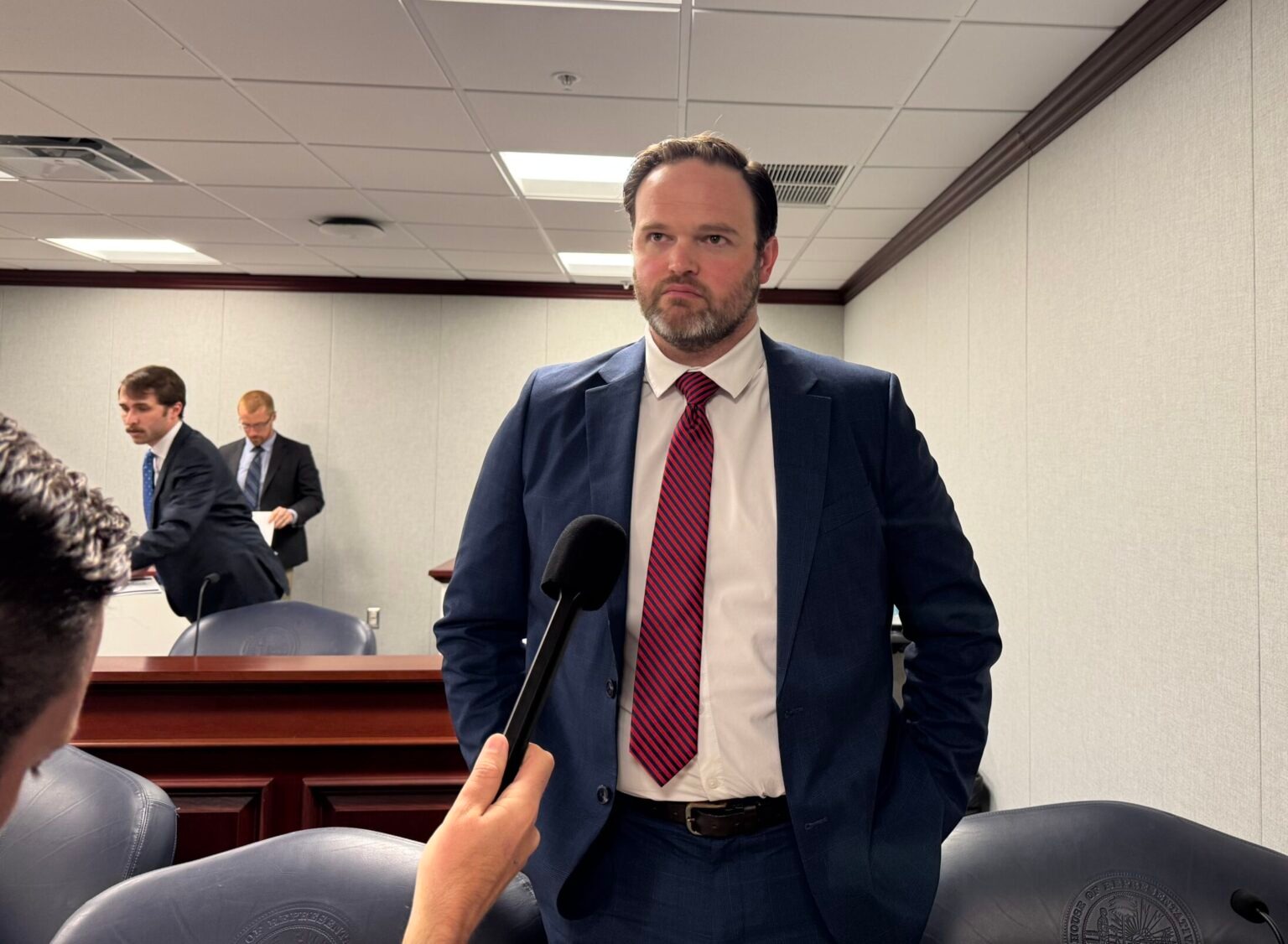
A key component of the much-touted 2024 Live Healthy Initiative is being carved up in the proposed health care budget released by House Republicans.
A product of the House Health Care Budget Subcommittee, the proposed budget-conforming bill (PCB HCB 26-01) would eliminate a $50 million revolving loan program administered by the Department of Health that was written to remain in effect until 2043. The investments are meant to bolster innovation and creativity to strengthen health care delivery.
This is the second time in as many years the House has tried to eliminate the revolving loan program, championed by former Senate President and Naples Republican Kathleen Passidomo, during the budget negotiation process. Most licensed health care providers are eligible to apply for the funds, with the exception of abortion clinics, nurse registries, health care services pools, and organ, tissue, and eye procurement organizations.
Developmental, intellectual disabilities
The House continues this year to champion Medicaid access for people with disabilities.
The proposed conforming bill directs the Department of Children and Families (DCF) to create an “Eligibility Assistance Program” for people with disabilities, then contract with a private vendor to help people with disabilities successfully “complete the actions required to secure eligibility for Medicaid and other community-based services.”
Conforming bills, similar to general legislation, amend existing statutes or create new ones; for example, to align with a new state budget. While a budget is in effect for a year, changes in conforming bills remain in effect unless they are changed by the Legislature.
The House proposal would require the hired contractor to be a Florida-incorporated, tax-exempt organization with at least 20 years’ experience operating local or regional programs that provide services for persons with disabilities. The organization must have the capability to operate call centers and online access points.
The move is supported by the Florida Developmental Disabilities Council.
“We think it’s a good thing. The biggest barrier has been getting people eligible for Medicaid,” said Valerie Breen, the Council’s Executive Director.

The move to help people with disabilities enroll in Medicaid comes after a 2025 law that provides continuous Medicaid eligibility for people with developmental disabilities.
The proposed move also comes as the state’s Medicaid managed care program for people with intellectual and developmental disabilities —now administered solely through the Medicaid managed care plan Florida Community Care — is poised to expand.
The Legislature first tested whether managed care is a good option for people with developmental disabilities in 2023, when it agreed to create a pilot program in two of Florida’s nine Medicaid regions.
Enrollment was capped at 600 people on a wait list for the Medicaid iBudget waiver program, which allows people with disabilities to receive the home- and community-based services they need to avoid being institutionalized. Those services, which help with activities of daily living like eating, bathing, and cooking, traditionally aren’t covered by Medicaid.
Opportunity for enrollment in the managed care program was expanded statewide on Oct. 1 for people on the iBudget wait list and the enrollment cap lifted. Those changes came with the passage of HB 1103.
Signed by Gov. Ron DeSantis, the bill effective July 1 eliminated the requirement that a person be on the iBudget wait list for services. In doing so, the Legislature agreed to open enrollment in the program to iBudget clients.
The language in the House conforming budget bill released Thursday authorizes the DCF-contracted company to offer “information, referral, and navigation services,” but doesn’t contain any guidance as to whether clients will be referred to the iBudget program or to the sole contracted health plan: Florida Community Care.
House Speaker Daniel Perez, a Miami Republican, has championed all the recent changes related to Medicaid services for people with developmental disabilities.
Two more years, 2% withholding
The House also has proposed extending by two years the contracts the state signed with Medicaid managed care plans following a lengthy procurement process. The House is proposing the contracts stay in effect for eight years, or until 2033.
That’s not the only change the House is proposing for its Medicaid managed medical assistance program. In an attempt to lower the state’s infant mortality rates, a House budget committee is proposing to withhold 2% of what the state pays per client per month to Medicaid managed care plans. Contracted plans that lower their infant mortality rates can earn back half of what is withheld.
However, contracted Medicaid managed care plans with the greatest reductions in their infant mortality rate will earn the full 2% withhold, under terms of the House bill, as would the plan with the largest reduction in infant mortalities.
___
Christine Sexton reporting via Florida Phoenix, part of States Newsroom, a nonprofit news network supported by grants and a coalition of donors as a 501 (c) (3) public charity. Florida Phoenix maintains editorial independence. Contact Editor Michael Moline for questions: [email protected].